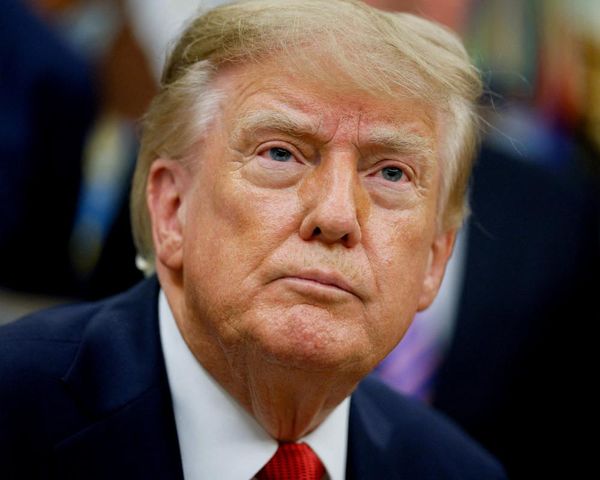
DALLAS — Two weeks out from the Republican Party's first-ever midterm convention, organizers have finally attached a script to the spectacle. On Tuesday night, the Republican National Committee published an hour-by-hour rundown of the two evenings planned for the American Airlines Center, confirming that President Trump will take the stage both Sept. 9 and Sept. 10, closing out the second night personally, while Vice President JD Vance opens the gathering with his own keynote a night earlier.
The release answers a question our Aug. 17 coverage left open, when organizers had not yet made public either a program or a speaker roster, even as surveys pointed to softening Hispanic support for the party heading into a set of tightly contested Texas races.
A Two-Night Script Built Hour by Hour
Each of the twelve one-hour blocks spanning both nights is anchored to its own policy theme, cycling through immigration, taxes, health care and education. The first evening opens at 3 p.m. Central with segments promoting the Working Families Tax Cuts Act and a push against federal fraud, before moving into a head-to-head "Policy Contrast" hour, a showcase of candidates running in competitive districts, and a border-security segment built around a claim organizers are making about zero interior releases of unauthorized immigrants over a sixteen-month stretch — a figure drawn from the RNC's own program materials that has not been independently verified. The night closes with Vance's keynote address.
The second night follows a comparable structure — tax relief, small-business growth, prescription-drug pricing and a second candidate showcase — before an hour billed as "Legacy & Youth Mobilization" turns the spotlight on Charlie Kirk. That slot falls on the exact one-year mark of Kirk's assassination at Utah Valley University, and the hour that follows is dedicated to a 25th-anniversary tribute to the Sept. 11 attacks, featuring children and family members of first responders. Trump's keynote caps the night. The RNC's own tally, relayed to CBS News Texas, counts 53 speaking slots or segments on night one and 59 on night two — 112 combined; the Dallas Morning News, describing the same release, put the total closer to 109, a discrepancy neither outlet has since resolved.
An Unofficial Roster Names Rubio and Homan — No Latino Headliner Yet
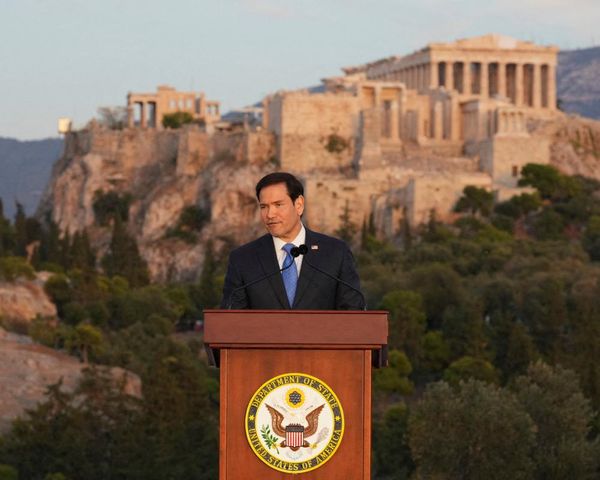
A privately run information hub built around the convention, and explicitly unaffiliated with the RNC, lists roughly 40 names under a "potential speakers" header still marked as pending confirmation. Secretary of State Marco Rubio, border czar Tom Homan, Sens. Ted Cruz and John Cornyn, Labor Secretary Lori Chavez-DeRemer and Senate nominee Ken Paxton all appear. Cornyn's presence is notable given he lost his own Senate seat in a bruising May primary runoff to Paxton, though nothing bars a sitting senator from speaking regardless of his own electoral fate. What's missing from that list is any Latino Republican slated for a marquee turn — a contrast with the 2024 Milwaukee convention, where Rep. Monica De La Cruz used a nationally televised, prime-time slot to speak directly to South Texas viewers about her family's immigrant roots.
Why the Party Is Leaning on Dallas
The schedule dropped a day after wire reporting described party officials increasingly treating the gathering as a reset button amid voter unease over living costs and the ongoing Iran conflict, with the president's approval rating sitting near 33%. Convention co-chair Ray Washburne told reporters he now expects roughly 30,000 attendees, about 8,000 more than the arena can actually seat, after raising $42 million to cover the event's costs outright. Washburne also pointed to Paxton, whose Senate campaign has fielded a steady stream of scandal-driven headlines, as a candidate who stands to gain simply from the exposure a hometown convention provides.
Skeptics Question Whether a Rally Moves Votes
Not everyone in the party is convinced the show will translate into ballots. "I don't think the average Republican voter even knows there's a convention going on," South Carolina-based strategist Dave Wilson said, arguing the spectacle needs a concrete cost-of-living announcement to actually land with anyone outside the arena. Scheduling has added to the skepticism: an event strategist flagged on social media that both keynote nights collide directly with nationally televised NFL season-openers, raising the odds that the arena — and the television audience — end up smaller than organizers are projecting. Despite that, campaign-by-campaign attendance plans remain murky. Out of 45 competitive House and Senate campaigns reporters reached for comment, only Michigan's Rep. Tom Barrett has publicly said he'll sit the convention out entirely to stay focused on his own district; everyone else simply says no decision on a speaking slot has come down yet.
The South Texas Backdrop Hasn't Gone Away
The Hispanic-vote undercurrent identified in our earlier coverage remains very much in play. Texas' 34th District race between Republican Eric Flores and Democratic Rep. Vicente Gonzalez, along with Paxton's own general-election contest against Democratic state Rep. James Talarico, both run through heavily Latino turf that will be watching for whether Dallas amounts to more than a pep rally. The convention's two-day run also wraps just four days before the United States Hispanic Chamber of Commerce holds its own national conference a short drive away in Fort Worth, from Sept. 14-16 — a coincidence of timing rather than any coordinated overlap, but a reminder of how much organized Latino business and political infrastructure sits within reach of the American Airlines Center that same week.
Texas Democrats aren't ceding the calendar either. Dallas County's Democratic Party chairman has said the party is organizing rallies, demonstrations and fundraisers to run alongside the convention, betting that a televised celebration of the administration will do more to energize Democratic turnout in blue-leaning Dallas County than it will to win over undecided voters nearby.
Winners of the RNC's public ticket lottery will be notified Sept. 4 — five days before doors open, and 45 days before early voting begins statewide on Oct. 19 for Texas' Nov. 3 general election.