Get all your news in one place.
100's of premium titles.
One app.
Start reading
The Times of India
The Times of India
World
Chidanand Rajghatta

Trump tightens Iran squeeze, hurting China and India in the process

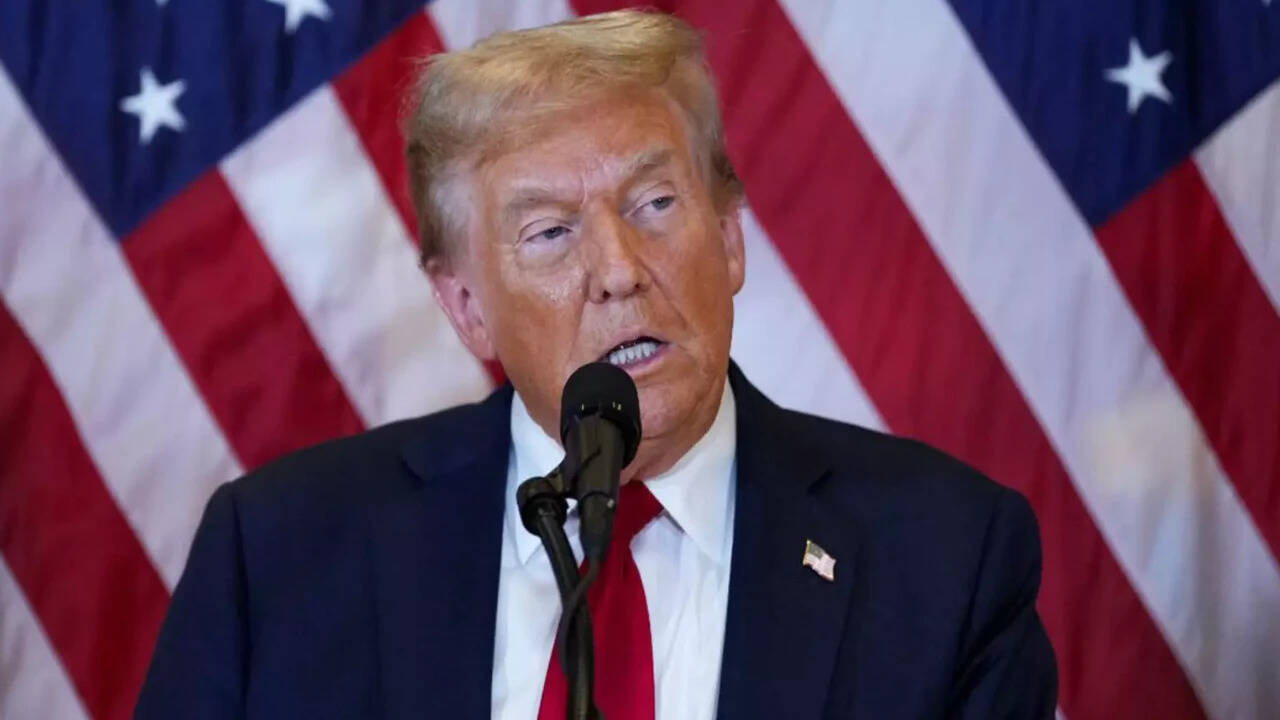
The TOI correspondent from Washington: As the war against Iran drags on, the Trump administration on Monday announced an effort intended to cut Tehran off from the global economy. Treasury secretary Scott Bessent said, “We are launching an economic onslaught against Iran’s financial connections around the globe. Our objective is to sever every economic lifeline that sustains this tyrannical regime until Tehran stands alone. We are going to hold everyone accountable, and this is economic asphyxiation of this regime.”

Get breaking news anytime, anywhere. Download the TOI app now!

He added that countries not joining US sanctions would “share in the isolation” of Iran, and noted that Trump is making phone calls to world leaders with requests to stop their interactions with Tehran.

The US treasury department has mapped the networks, facilitators and financial channels that Iran uses to smuggle oil and evade sanctions and said that Washington would be working with US partners to target any source of Iran’s “illicit revenue”. The department said it has issued determinations again­st five sectors — digital assets, technology, gold, aviation and shipping — that the Iranian govt is using to prop up its economy. The treasury has also im­posed sanctions on nearly 60 entities, individuals and vessels.

“At dawn begins an economic D-Day — the single greatest financial offensive ever m­a­rshalled against an adversary,” Bessent wrote in the Fina­ncial Times, revealing that Tr­u­mp had created the condi­ti­ons for Washington to use “ev­ery agency, every authority” available to isolate Iran and sever “every economic lifeline” sustaining the Iranian regime.

For New Delhi, the immediate concern is trade rather than strategic alignment. Indian exports of rice, tea and pharmaceuticals to Iran have increasingly moved through Dubai, and UAE’s restrictions combined with tougher US sanctions could severely disrupt those flows. Bilateral trade has already fallen more than 90% from its 2018-19 peak of about $17 billion.

Also read: India was wary of Trump’s ‘unpredictable behaviour’, chose no joint presser with PM Modi: Report

China will be the bigger test for Washington. Beijing is Iran’s principal oil customer and has continued buying discounted Iranian crude through independent refineries and opaque shipping and payment networks. Iranian shipments to China fell to about 534,000 barrels a day in Aug from 823,000 in July, but flows have remained substantial. Bessent has warned Beijing that cooperation would be in its own interest, but China has rejected unilateral sanctions, saying that they “do not help resolve the problem”. Asked Mo­nday if Chinese banks dealing with Iran could be targeted, Bessent said, “no one is above the reach of US sanctions”.

The administration has already imposed layers of sanctions on Iranian oil, shipping, banks and companies and has used a naval blockade to disrupt Iranian petroleum exports. Bessent described the new strategy as a “one-two punch”: “We have the blockade ... and we are going to have the toughest sanctions in history,” he said, adding the aim was to “collapse this regime”.

What makes Monday’s announcement different is therefore enforcement and reach. Washington will target the third-country networks through which Iran has continued to sell oil, move money and obtain goods despite decades of sanctions. The message is essentially: doing business with Tehran will increasingly mean choosing between access to Iran and access to the US-dominated financial system.

Tehran has responded with a threat that could make the economic offensive a global energy crisis. Mohsen Rezaei, secretary of Iran’s supreme national security council, warned that if the “economic war” continues, “not a single drop of oil will be exported” from the Persian Gulf. UAE has already halted much of its trade with Iran, while Saudi Arabia, Qatar, Oman, Kuwait and Bahrain face the risk that Iranian retaliation could hit ports, shipping, energy infrastructure or trade routes.

Iran’s rial hits new record low

Iran’s currency hit a record low Monday as Washington annou­nc­ed new sanctions. The rial dropped to 2.02 million to the US dollar as trading opened on currency markets. Iran’s official Central Bank rate stood at around 1.5 million rial to the dollar, but the market rate is what most Iranians pay. Iran currency has repeatedly hit new lo­ws as nearly six months of war have taken an even greater toll. Iran­ians find daily staples increasingly unaffordable. Since the war beg­an, rice is up some 60% and prices of beef are more than 150% high­er. The IMF forecasts that GDP will contract more than 5%.

Sign up to read this article
Read news from 100's of titles, curated specifically for you.
Already a member? Sign in here
Related Stories
Top stories on inkl right now
One subscription that gives you access to news from hundreds of sites
Already a member? Sign in here
Our Picks
Fourteen days free
Download the app
One app. One membership.
100+ trusted global sources.