The US may reduce its number of troops deployed in Germany, Donald Trump has announced, days after the country’s chancellor said America was being “humiliated” by Iran.
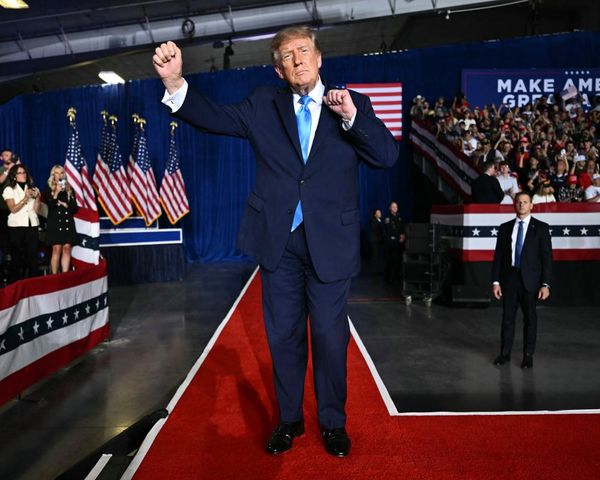
In a post on his Truth Social platform, the US president said his administration was “studying and reviewing the possible reduction of troops in Germany, with a determination to be made over the next short period of time”.
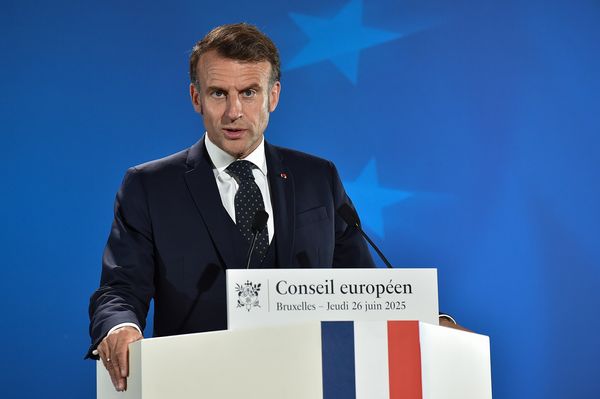
On Monday, Friedrich Merz suggested the Trump team was being outplayed in its negotiations with Iran to secure an end to the ongoing war and a reopening of the strait of Hormuz.
“The Iranians are obviously very skilled at negotiating, or rather, very skilful at not negotiating, letting the Americans travel to Islamabad and then leave again without any result,” the German chancellor said.
Merz reiterated his criticisms on Wednesday, saying Europe was “suffering” from the consequences of the closure of the strait.
Trump cancelled a second trip by US negotiators to Islamabad last week. Since then, discussions over Iran’s nuclear programme and the strait of Hormuz have hit an impasse.
Trump on Tuesday accused Merz of thinking it’s “OK for Iran to have a nuclear weapon” and said the chancellor “doesn’t know what he’s talking about!”
Earlier on Wednesday Merz brushed off those comments, saying his relationship with Trump remains “as good as ever”, but the president’s threat to withdraw US troops is likely to cause concern in Berlin and across Europe, coming amid a period of heightened tensions between the US and its traditional allies in Europe that has seen Trump step up his threats to withdraw from the Nato alliance.
On 1 April the Trump said he was “absolutely without question” considering withdrawing from Nato because of the European allies failure to take part in the US-Israeli war on Iran and help secure the economically vital strait of Hormuz.
Such a move from the US administration would be catastrophic for the security of Europe, but is seen as unlikely because of US legislation passed in 2024 that prevents a president from withdrawing from Nato without a two-thirds Senate majority or an act of Congress.
Experts have suggested the White House could instead take actions that undermine the alliance but fall short of an outright withdrawal. One such scenario could see Trump withdraw US troops from Europe.
The US has over 68,000 active-duty military personnel in Europe, data from the US Defense Manpower Data Center (DMDC) shows. Germany houses the largest contingent, with more than 35,000 troops in 2024, according to the Congressional Research Service. German media puts the number higher, at about 50,000.
Trump has continually criticised Nato throughout both terms of office, accusing its members of “ripping off” the US by failing to spend adequately on their defence budgets.
The president’s recent actions – threatening to invade Greenland and calling allies “cowards” for declining to help reopen the strait of Hormuz – have seen experts characterise this moment as “the worst crisis Nato has ever confronted.”
Ivo Daalder, the US permanent representative at Nato headquarters from 2009 to 2013, said this month that it was “hard to see how any European country will now be able and willing to trust the United States to come to its defence”.
Hours before Trump’s post about troop numbers in Germany, the US secretary of state, Marco Rubio, spoke with the German foreign minister, Johann Wadephul, and discussed Iran and the importance of securing freedom of navigation in the strait of Hormuz.
On Wednesday, Trump said he had spoken with the Russian president, Vladimir Putin, and suggested “a little bit of a ceasefire” in Ukraine.