
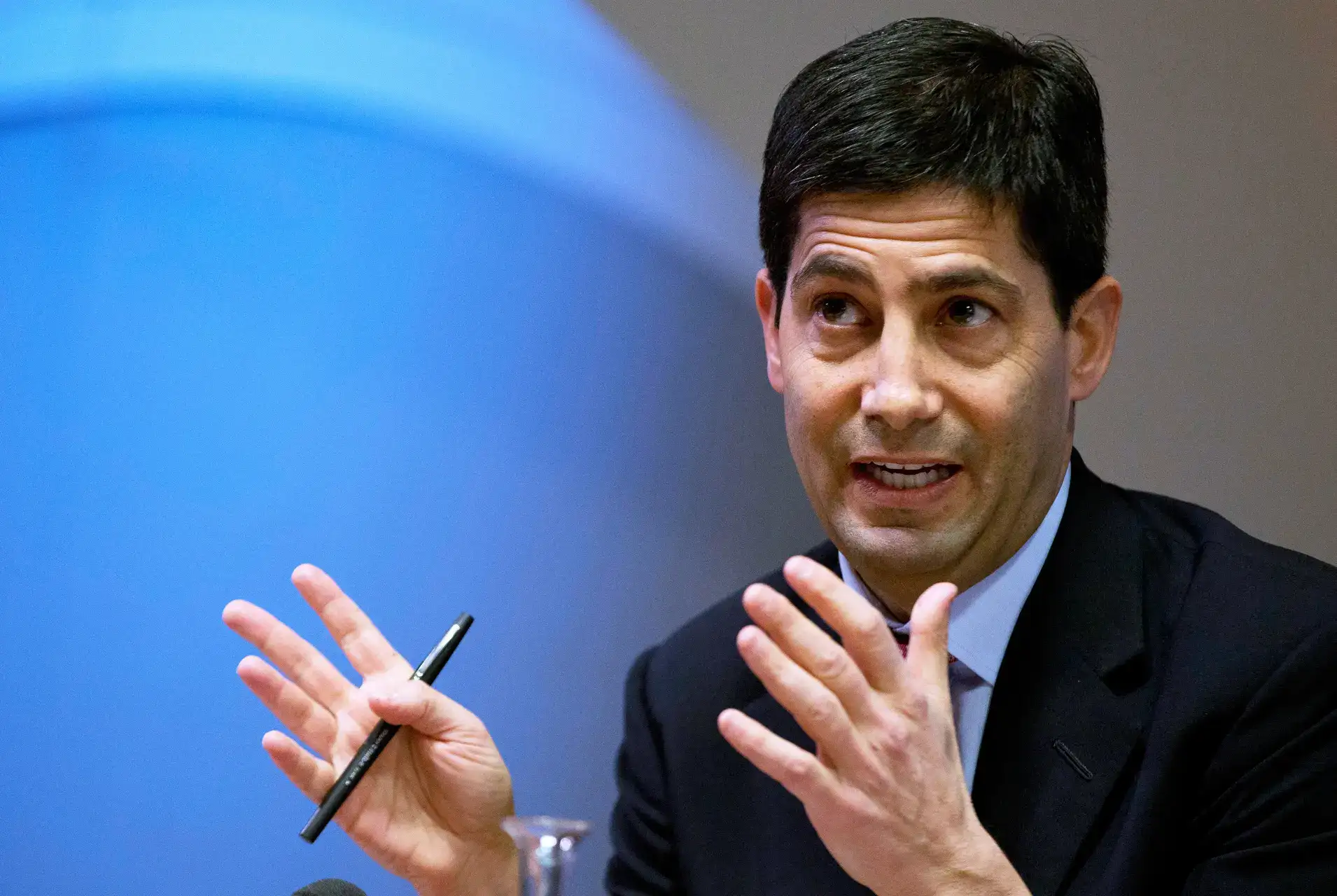
Kevin Warsh Fed chair: The Federal Reserve is preparing for a leadership change, but the transition may not immediately reshape US interest rate policy the way many expect. Kevin Warsh, confirmed by the Senate in a 54-45 vote to become the next Fed chair, will step into one of the most closely watched economic roles in the country on Friday. Yet despite the title, the job does not come with total control over borrowing costs or monetary policy decisions.

Why Kevin Warsh May Not Have Full Control Over Interest Rates
US president Donald Trump has repeatedly pushed the Federal Reserve to cut interest rates faster and openly criticized outgoing chair Jerome Powell for not moving aggressively enough. Warsh, however, has said he intends to act independently and not base policy decisions on the president’s preferences. His approach to rates remains uncertain. While he previously signaled some openness to lower rates, he was also known during his earlier time on the Fed’s Board of Governors for supporting tighter monetary policy, as per a CBS News report.
How the Federal Open Market Committee Actually Sets Interest Rates
Even as chair, Warsh will hold only one vote on the Federal Open Market Committee, the 12-member panel responsible for setting interest rate targets. The committee includes Fed governors nominated by presidents from different administrations as well as regional Federal Reserve bank presidents, many of whom are outside direct White House influence.
How Consensus Shapes Federal Reserve Interest Rate Decisions
Former Fed officials say the chair’s real influence often comes through persuasion rather than authority. Committee members usually aim to reach broad agreement before announcing decisions because unified votes tend to send a stronger message to financial markets, as per the report. Discussions often begin days before official meetings, with the chair speaking privately with governors and regional Fed presidents to gauge opinions and build consensus.
Why Financial Markets Closely Watch Every Word From the Federal Reserve
At meetings, members debate the economy, inflation, interest rates, and risks facing the country, including concerns tied to the Iran war and ongoing inflation pressures. Even the wording of the Fed’s final public statement is carefully negotiated, with officials reportedly debating small details such as commas, phrasing, and individual words because markets closely analyze every change for clues about future policy, as per the CBS News report.
What Kevin Warsh’s Appointment Could Mean for Future Rate Decisions
Although disagreements do happen, especially in recent meetings where some Trump-appointed members supported lower rates, close votes remain uncommon. Former officials say the chair’s role is often less about commanding outcomes and more about guiding the committee toward a shared position, even if it is not exactly the decision the chair personally preferred.
FAQs
Who is the new Federal Reserve chair?Kevin Warsh was confirmed by the Senate to become the next Fed chair.
Did Kevin Warsh promise to follow Trump’s views?
No. Warsh said he plans to act independently.







