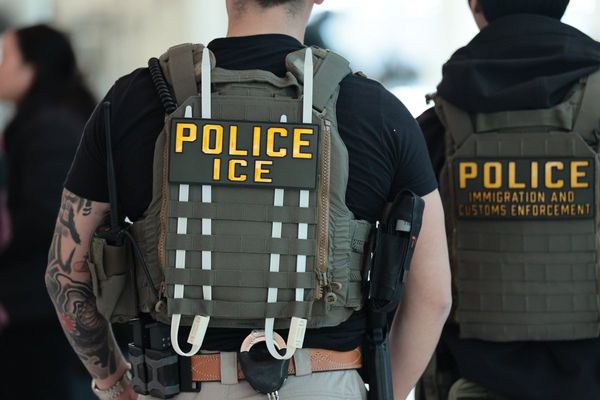
Last month, Immigration and Customs Enforcement (ICE) suddenly terminated about 4,700 records in the database of foreign students with F-1 visas authorizing them to attend American universities. That move, which sowed panic among students across the country, was the result of the Trump administration's "Student Criminal Alien Initiative." But contrary to the implication of that label, the initiative affected many people who had no criminal record that would justify revoking their visas. Nor did ICE cite any other specific justification listed in the relevant regulations. Instead, the students were told their records had been terminated for "otherwise failing to maintain status."
Although ICE subsequently restored those records in the Student and Exchange Visitor Information System (SEVIS), they still included notations of the prior terminations. Those black marks, along with the possibility that ICE might reverse course again at any time, left thousands of students uncertain about whether they would be allowed to remain in the United States and complete their degrees. On Thursday, a federal judge in California issued a nationwide preliminary injunction that aims to rectify that situation, and his reasoning highlights the alarming legal shortcuts that characterize President Donald Trump's immigration crackdown.
The SEVIS controversy may seem arcane. But it illustrates several disturbing themes of Trump's deportation crusade, including his indiscriminate approach, disregard for due process, blatant flouting of statutory and constitutional requirements, shifting legal positions, and determination to avoid judicial review.