In Miami-Dade, Houston, and other diaspora hubs, the clearest sign of a standoff half a world away shows up on the gas station sign. The national average for a gallon of regular gasoline sat at $4.07 on Tuesday, according to AAA, with Florida's statewide average at $3.92 — both still well above where prices stood before the U.S.-Iran conflict began earlier this year. Rideshare drivers, delivery couriers, and anyone logging long commutes for hourly pay feel a jump in pump prices faster than salaried workers do, since fuel comes straight out of take-home earnings rather than a household budget with more places to absorb the hit. That squeeze isn't loosening soon. On Monday, President Donald Trump made clear that the truce underpinning whatever calm exists in the Persian Gulf will not be extended — and the standoff pushing prices higher shows no sign of breaking anytime soon.
Deadline passes, Trump refuses to extend
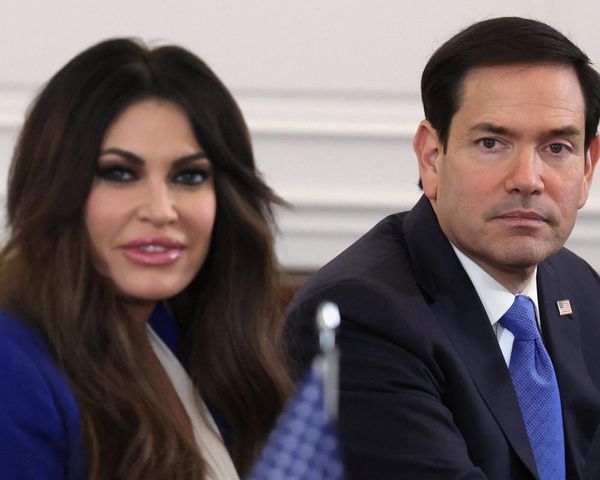
The ceasefire arrangement — technically a 14-point memorandum of understanding — was signed by Trump and Iranian President Masoud Pezeshkian on June 17, opening a 60-day runway for Washington and Tehran to negotiate a lasting settlement over Iran's nuclear program and U.S. sanctions. That window closed Monday. Asked directly whether the U.S. would seek more time, Trump said no, according to a Reuters wire report. In a separate interview with Fox News that day, Trump said he felt no pressure to close a deal on any particular timetable, and dismissed the idea that November's midterm elections were shaping his approach. Jared Kushner, Trump's son-in-law and special envoy, told the same Fox interviewer that Tehran had shown no real interest in an agreement Washington could accept — a remark CNBC and other outlets picked up and reported. Trump has separately urged Americans to brace for continued high fuel costs as long as the standoff drags on, a message he repeated at a campaign-style rally in New York last Friday.
The real flashpoint: who controls the strait
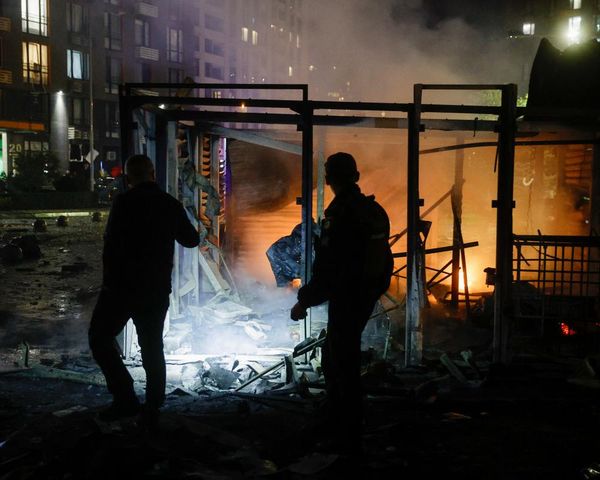
The dispute that actually sank the truce isn't the nuclear file — it's the Strait of Hormuz, the narrow Gulf passage that once carried close to a fifth of the world's oil and gas cargo. Iran reads a clause in the June memorandum as giving it authority to manage the strait, an interpretation Washington rejects. Fighting over that disagreement resumed weeks ago, and Trump had already declared the original pact "over" back on July 7. Traffic through the strait has all but collapsed as a result: shipping-data firm Kpler put the five-day average at roughly a dozen transits a day, with as few as three vessels crossing on one recent day — a fraction of the roughly 130-per-day pace seen before the war, per CNBC. The danger isn't theoretical. Britain's maritime trade watchdog, UKMTO, reported that a ship making an outbound transit through the strait was hit by an unidentified projectile on Tuesday, tearing into its engine room and leaving one crew member a casualty.
Oman threatened, Iran vows to go on the offensive
Complicating matters further, Iran has been negotiating separately with Oman — a longtime U.S. security partner — over terms to reopen the strait, and Tehran says the two sides are close to an agreement. Trump responded with a blunt warning to Muscat in the same Fox interview: if Oman "gets in the way," he said, the U.S. would answer with overwhelming force. On the Iranian side, a senior official told Reuters that Tehran will shift its posture to "fully offensive" now that talks toward a permanent settlement have stalled, threatening a rapid, precisely targeted strike meant to break the U.S. naval presence in the Gulf if diplomacy collapses entirely.
A narrow diplomatic channel stays open
Even amid the public brinkmanship, the two governments haven't fully cut contact. Citing Axios, the Reuters wire reported that Tulsi Gabbard, the former director of national intelligence, reached out to an Iraqi Kurdish leader with ties to Iran's Revolutionary Guard Corps, who in turn passed a message from Washington to Gen. Ahmad Vahidi, a senior Guard commander. Vahidi reportedly responded that he stood behind Iran's official negotiating team. Kushner, in his Fox interview, described contact between the two governments as unusually active — more so, he suggested, than at almost any point since the war began — though he stopped short of calling it progress toward a deal.
What LatinTimes readers should watch
None of this points toward quick relief at the pump. With no ceasefire extension, an unresolved fight over who controls Hormuz, and a fresh attack on shipping this week, analysts expect fuel costs to stay elevated or climb further through late August. The truce lapsed Monday, and as of Wednesday, both governments appear to be settling into the standoff rather than racing toward a breakthrough. For South Florida and Houston communities that lean heavily on driving-dependent work — rideshare, delivery, home repair trades — that means another stretch of thin margins with no clear end date, and little room to plan around costs that can shift by the week. LatinTimes will continue tracking both the diplomatic standoff and its direct impact on household budgets in the days ahead.