Get all your news in one place.
100's of premium titles.
One app.
Start reading
International Business Times UK
World
Jeyn Klare Reyes

Trump Gives Iran Rare Oil Export Reprieve as US Seeks to Lock In Fragile Peace Deal

President Donald Trump approved a 60-day waiver on Iranian oil exports as negotiations continue over a broader peace deal. (Credit: AFP News)

The United States has granted Iran a 60-day waiver on oil export sanctions, marking one of Washington's biggest concessions to Tehran in years as President Donald Trump seeks to secure a lasting peace agreement following recent hostilities.

The waiver allows Iran to resume crude oil exports and related financial transactions while negotiations continue over nuclear inspections, frozen assets and regional security arrangements.
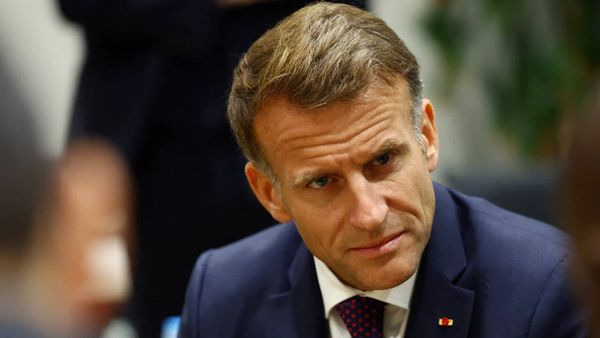
Trump defended the move, saying the United States was prepared to take the necessary steps to preserve the peace process while ensuring Iran complies with any future agreement.

The decision follows talks between US and Iranian officials in Switzerland, where both sides reported progress despite continuing disagreements on key issues.

Waiver Could Pump Millions Into Iran's Economy

The sanctions relief gives Tehran an immediate economic boost after years of restrictions on its energy sector.

The US has maintained strict sanctions on Iran's oil industry for years, making the waiver one of the most significant policy shifts since Trump returned to office.

Under the temporary arrangement, Iran can sell crude oil and petroleum products on international markets while negotiations continue. Around 126 million barrels of Iranian crude oil remain stored at sea, giving Tehran a substantial volume ready for export as restrictions ease. Much of the supply is expected to be sold to Asian buyers, particularly China.

Iran's oil exports had fallen to a five-year low before the waiver was announced, increasing pressure on Tehran's finances.

Strait of Hormuz Reopening Pushes Oil Prices Lower

The sanctions waiver is closely tied to efforts to keep the Strait of Hormuz open.

The strategic waterway carries about 20% of the world's seaborne oil supply. Concerns over disruption had unsettled energy markets during the recent conflict.

News of the waiver and progress in negotiations helped ease those fears. Oil prices fell as traders anticipated additional Iranian crude entering global markets and a lower risk of supply interruptions.

Iran Rejects Trump's Claim on Nuclear Inspections

Despite the breakthrough, significant disagreements remain between Washington and Tehran.

Trump has suggested that Iran could eventually agree to extensive nuclear inspections under a future settlement. Iranian officials have rejected those claims and denied making new commitments during the talks.

The two sides also disagree on the future of Iran's nuclear programme and the release of frozen Iranian assets. Those disputes highlight the fragile nature of the negotiations and raise questions about whether a final agreement can be reached.

Critics Warn of Concessions Without Guarantees

The sanctions relief has drawn criticism from some foreign policy analysts and lawmakers.

Critics argue the United States handed Tehran a major economic benefit before obtaining firm commitments on inspections and nuclear oversight. They warn the move could weaken Washington's negotiating position if talks break down.

Supporters argue economic incentives are necessary to keep Iran engaged and reduce the risk of renewed military escalation.

60-Day Deadline Could Make or Break Peace Deal

The temporary waiver places pressure on both governments to produce a broader agreement within two months.

The waiver also increases pressure on Trump to show that concessions to Tehran can deliver a lasting agreement rather than a temporary pause in tensions.

The next 60 days could determine whether the waiver becomes the foundation of a lasting agreement or a temporary pause in tensions. If talks collapse before the waiver expires, Washington could reimpose sanctions and trigger fresh instability in the Strait of Hormuz, threatening both the peace process and global energy markets.

Sign up to read this article
Read news from 100's of titles, curated specifically for you.
Already a member? Sign in here
Related Stories
Top stories on inkl right now
One subscription that gives you access to news from hundreds of sites
Already a member? Sign in here
Our Picks
Fourteen days free
Download the app
One app. One membership.
100+ trusted global sources.