A veteran federal prosecutor has resigned from the US Department of Justice under protest, accusing the agency of pushing her into a controversial felony prosecution before leaving her to take the blame when the case collapsed.
Sheri Mecklenburg, a career prosecutor involved in the Broadview Six case in Illinois, says she was ordered to pursue felony charges against protesters and later prevented from defending herself against allegations of misconduct.
The DOJ has disputed key parts of her account.
Mecklenburg Claims She Was Ordered To Pursue Felonies
Mecklenburg's resignation letter has thrown fresh fuel on the controversy surrounding the Broadview Six prosecution.
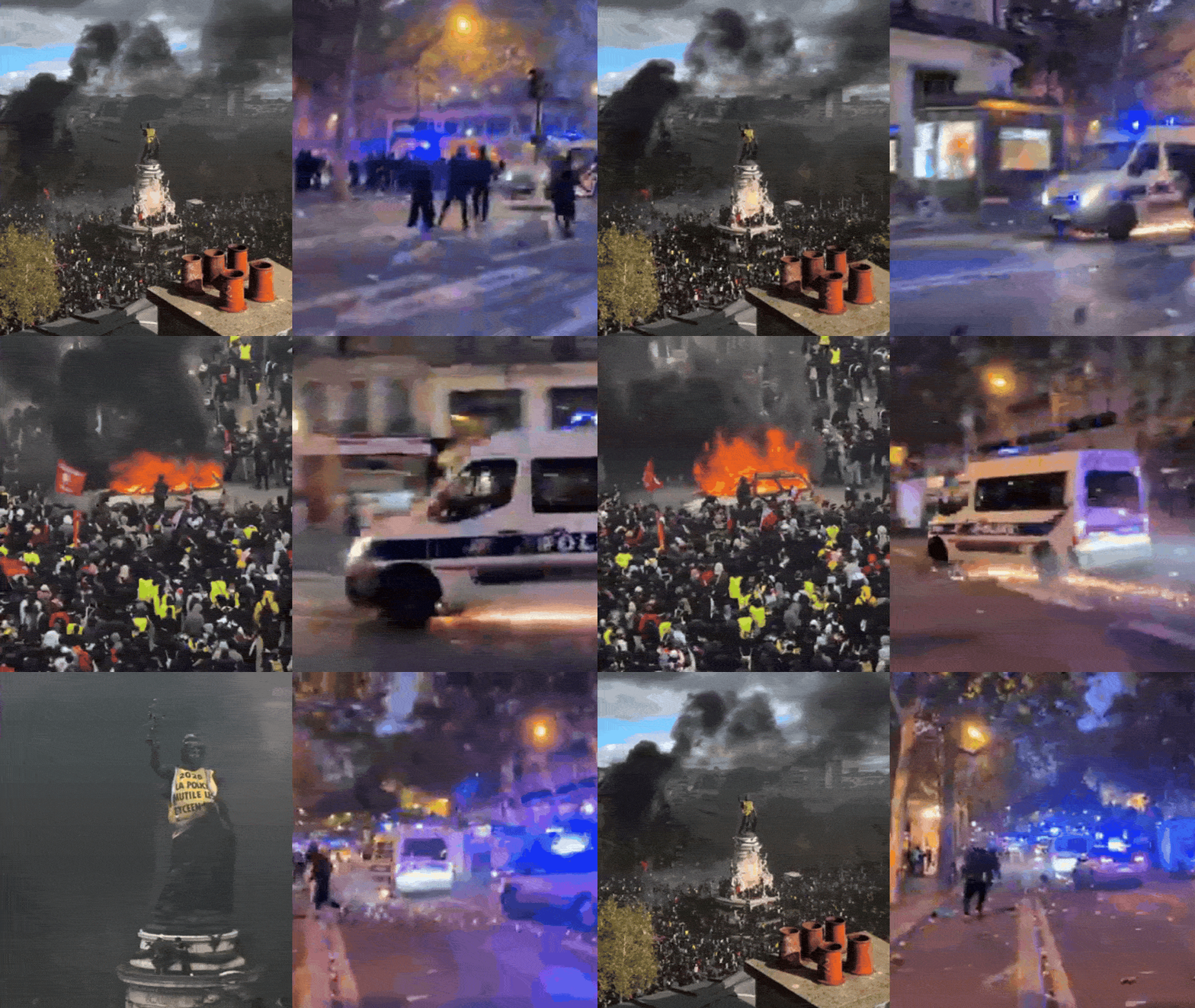
The six protesters were arrested outside an ICE facility in Broadview, Illinois, during demonstrations against the Trump administration's immigration policies. Prosecutors pursued felony conspiracy charges before the case unravelled following scrutiny of the government's conduct before a grand jury.
In her letter, Mecklenburg claimed US Attorney Andrew Boutros directed her to pursue the felony case despite her concerns about the appropriate charges.
She also accused DOJ leadership of later distancing itself from her when allegations about the prosecution emerged.
'I retire under protest from the DOJ effective immediately,' Mecklenburg wrote, explaining that she wanted to defend herself against what she called false and inflammatory accusations.
The DOJ has offered a different account, disputing that Mecklenburg was simply following an order to pursue the felony charge.
Grand Jury Conduct Put the Case Under Fire
The controversy intensified after a federal judge reviewed grand jury transcripts connected to the case.
Mecklenburg faced allegations of improper conduct, including vouching before the grand jury and communicating with jurors outside formal proceedings. Such conduct can raise serious concerns about the integrity of grand jury proceedings.
The allegations contributed to the collapse of the prosecution and triggered further scrutiny of the US Attorney's Office.
Mecklenburg disputed some of the accusations. She acknowledged conduct that had attracted criticism but argued that other claims against her were untrue, including allegations that she deliberately lied to the grand jury.
Prosecutor Says DOJ Made Her the Scapegoat
According to Mecklenburg, the DOJ did not adequately defend her against the accusations after the case came under pressure.
She said she planned to intervene in the court proceedings to respond to allegations against her but was warned against doing so. She claimed she was threatened with discipline and termination if she attempted to file her own response.
The resignation letter therefore became more than a departure notice. It was Mecklenburg's attempt to put her version of events on the public record.
Legal Analyst Calls It a Sign of DOJ Dysfunction
The case has also drawn commentary from legal analyst Harry Litman, who discussed the resignation during the Talking Feds programme.
Litman questioned how a veteran prosecutor with decades of experience could become embroiled in conduct that drew such serious judicial scrutiny.
He described the situation as evidence of dysfunction inside the DOJ and suggested Mecklenburg's resignation could lead to further revelations about how the prosecution was handled.
The DOJ, however, maintains that Mecklenburg's account does not accurately describe her role in the charging decision.