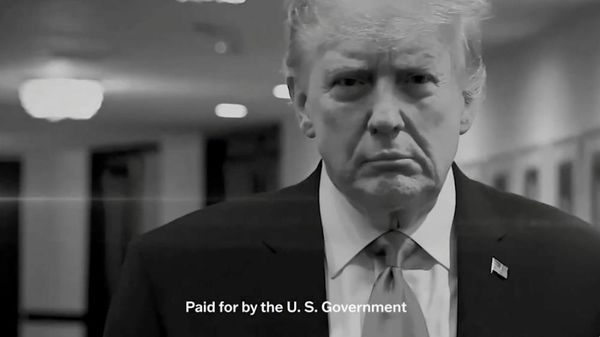
In the recent trial of former Trump attorney, the focus has shifted to the potential damages and penalties that may be imposed. The defendant has been accused of fraudulent activities, and while the judge has already made a ruling on the fraud, the current stage is determining the extent of the financial repercussions. The exact range of penalties being discussed, such as 240 or 360, appears to be relatively high and possibly uncollectible. However, a primary objective for the defense seems to be building a strong record for the upcoming appeal.
By engaging in actions that could potentially antagonize the judge, the defense may be attempting to provoke mistakes in the judge's decision-making process. This strategy ensures that all objections raised by the defense, including claims of a witch hunt, are well-documented for the appeal. It is critically important to present these objections during the trial, as they cannot be raised for the first time during the appeal.