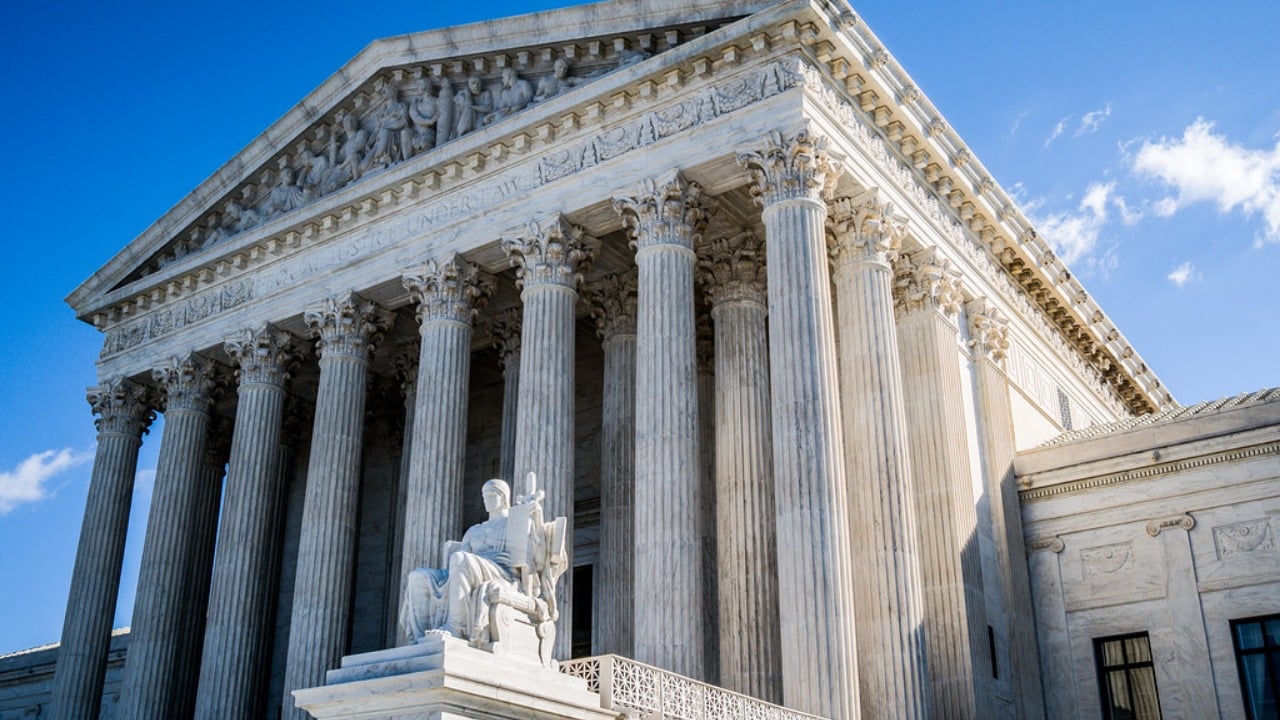
The Trump administration is pushing hard to get its third-country deportation program back on track after a recent court decision hit the brakes on its removal operations. On Thursday, the administration filed an emergency appeal with the Supreme Court, asking the justices to step in and allow the government to continue deporting migrants to countries other than their home nations without first providing them an opportunity to raise human rights concerns.
According to CNN, this legal scramble comes after the Boston-based 1st US Circuit Court of Appeals issued a ruling late Wednesday that effectively blocked these removals. These flights had been occurring regularly since the Supreme Court previously sided with the administration on the issue more than a year ago. The latest development has created a significant hurdle for federal authorities who are attempting to rapidly move people out of the United States.

When the ruling was issued, documents obtained by The New York Times demonstrated that the administration had to act quickly to pull nearly 150 people off flights destined for countries such as Costa Rica, Honduras, and the Central African Republic. The basis of the ruling revolved around the migrant’s need for a “meaningful opportunity” to be able to fight their deportation to a third country by providing evidence of the fear of the same.
Deportation no matter the cost
CNN notes that this all ties back to the Convention Against Torture, a treaty ratified by the Senate in 1994 that generally prohibits the deportation or extradition of individuals to countries where they might face torture. The law remains vague regarding the specific process rights due to migrants, which has become a major point of contention in this ongoing legal battle.
We just filed an emergency stay with SCOTUS. As I said, we would immediately seek relief. The other side has until Monday to respond (note how the Supreme Court lets both sides respond before ruling!). https://t.co/SlCnTg2Tfr pic.twitter.com/a9WoTNF5kD
— Attorney General Todd Blanche (@AGToddBlanche) September 24, 2026
NYT noted that the administration concluded that all they needed was assurances from the nation taking in the migrants. This legal interpretation of the convention allowed the administration to avoid certain procedures, like migrant arguments in court and other checks, such as fear screening, to expel people as soon as possible.
It also allowed the removal of people who couldn’t be sent back to their home countries because of an established danger to them. However, the program has drawn criticism for sending people to countries with records of human rights violations or to countries with no reason to protect the migrant.
CNN reported that in the administration’s 42-page filing, US Solicitor General D. John Sauer argued that the appellate court’s decision has “created substantial logistical problems with ongoing removal operations – including the cancellation of flights – and led to added expense, potential diplomatic issues, and the inability to remove dangerous criminals.” Sauer further noted, “While certain aliens may benefit from stalling their removal, the nation does not.”
This is the third time the administration has asked the Supreme Court to intervene in this specific case, per SCOTUSblog. The dispute traces back to a January 20 executive order from Trump, which directed DHS to take all appropriate actions to remove noncitizens who remained in the country despite having existing deportation orders.
The program has been a cornerstone of the administration’s broader immigration crackdown. CNN reported that since many home countries refuse to accept deportees or maintain frosty diplomatic relations with the United States, the administration began utilizing third-country removals to bypass these obstacles. Under these arrangements, migrants are sent to countries where they often have no prior connections.
According to The Guardian, the administration pledged at least $410 million to secure deportation deals with 35 nations. Human rights lawyers have described these arrangements as a “show of force” intended to deter others from entering the country without permission. While the administration claims these efforts focus on removing individuals with criminal histories, reports from various organizations indicate that many of those affected do not fit that description.
In March 2026, four immigrants reportedly challenged the policy in federal court, arguing that they feared being removed to countries where they could be harmed. U.S. District Judge Brian Murphy ruled in their favor, stating that migrants must be given “meaningful notice” and a “meaningful opportunity” to contest their removal to a third country.
The Supreme Court had previously paused Murphy’s order. However, now, the 1st Circuit Court of Appeals upheld his ruling and dissolved the stay that had allowed the flights to continue.
“Without even allowing the government a chance to respond, and in the dark of night, a federal appeals court blocked us from conducting all third-country removals of illegal aliens, an entirely legal and invaluable tool to stem the tide of illegal immigration,” Attorney General Todd Blanche said of the appellate court’s decision. “We will immediately seek relief from the Supreme Court, which previously granted a stay in this very same case.”
The Supreme Court has directed the immigrant rights groups fighting the administration to respond to the government’s request by Monday.