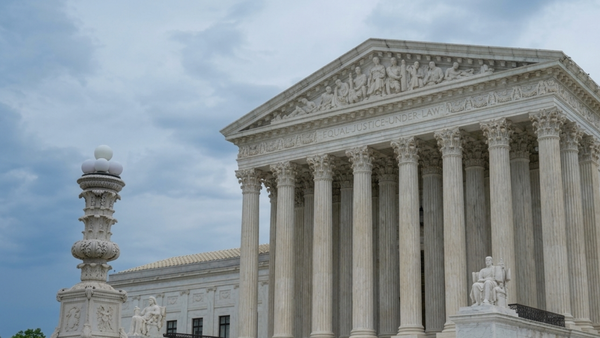
Four different federal courts have issued rulings blocking Donald Trump's executive order denying birthright citizenship to children of undocumented immigrants and immigrants in the US on the temporary visas. Three of them have issued nationwide injunctions, blocking enforcement of the the order throughout the country. The Trump Administration has filed nearly identical emergency applications asking the Supreme Court to intervene in all three cases (see here, here, and here): not to overturn them on the merits, but to narrow the scope of the injunctions so they apply only to specific parties in the case, and also exclude state governments, who are among the plaintiffs (they have standing because the order affects their public finances).
There is a longstanding debate among jurists and legal scholars about whether nationwide injunctions (also often called "universal injunctions") are appropriate. If you oppose nationwide injunctions on principle, I don't expect you will make an exception in these cases. While I am admittedly not an expert on the subject, I have always held the view that nationwide injunctions are not only permissible but essential in some situations. Nationwide lawbreaking by the federal government requires a nationwide remedy. And that's especially true if the illegality affects the rights of large numbers of people, many of whom could not easily or quickly bring individual suits to challenge it. Justice delayed - in some cases indefinitely - is justice denied.