
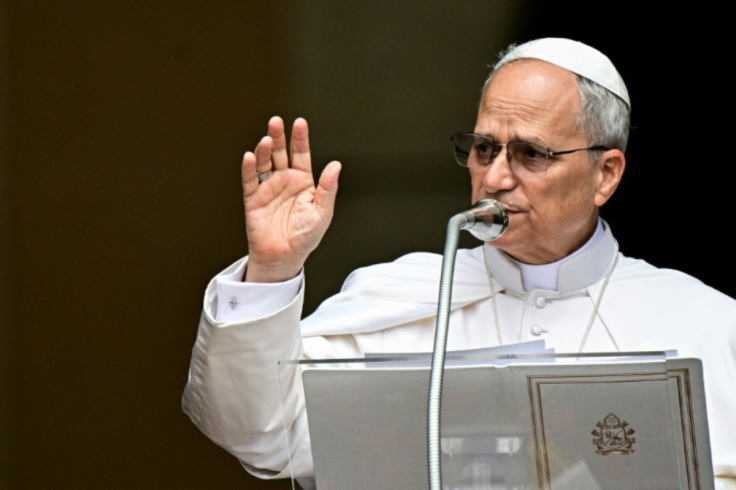
The traditionalist Society of Saint Pius X (SSPX) has consecrated four new bishops without papal approval, defying a direct appeal from Pope Leo XIV and reopening one of the Catholic Church's longest-running disputes.
The ceremony took place on 1 July at the SSPX seminary in Écône, Switzerland, despite Vatican warnings that the act could constitute a schismatic offence and carry automatic excommunication under Church law.

The unauthorised episcopal consecrations mark the most significant confrontation between the Vatican and the SSPX since the group's founder, Archbishop Marcel Lefebvre, consecrated bishops without permission in 1988.
While the Holy See has not yet announced further disciplinary measures, the development has intensified concerns about renewed division within the Catholic Church.
Who Are the Four New SSPX Bishops?
The Society of Saint Pius X announced the consecration of four bishops: Pascal Schreiber of Switzerland, Michael Goldade of the United States, Michel Poinsinet de Sivry of France, and Marc Hanappier of France.
Una fuerte tormenta interrumpe la ceremonia de las controvertidas ordenaciones episcopales de la Fraternidad Sacerdotal San Pío X (lefebvrianos), consideradas por el Vaticano un acto cismático.
— News Vaticano 🇻🇦 (@news_vaticano) July 1, 2026
Justo antes de la comunión, los celebrantes, los cuatro nuevos obispos y miles de... pic.twitter.com/6itdFkASTX
The ceremony was led by Bishop Alfonso de Galarreta, with Bishop Bernard Fellay serving as co-consecrator before thousands of attendees gathered at the society's headquarters in Écône. The Mass was also streamed online.
SSPX Superior General Fr Davide Pagliarani defended the decision, saying the consecrations were necessary to preserve the Church's traditional teachings and ensure apostolic succession during what the society describes as an ongoing crisis following the Second Vatican Council.
Pope Leo XIV Warned Against the Consecrations
Days before the ceremony, Pope Leo XIV issued a personal appeal urging the SSPX not to proceed.
According to the Vatican, the Pope described the planned consecrations as a 'sin of extreme gravity' and warned they could damage the unity of the Church. He encouraged continued dialogue instead of unilateral action.
Despite the warning, the SSPX carried out the ceremony as scheduled.
Under Canon Law, specifically the provision governing episcopal consecrations without a papal mandate, both the consecrating bishops and those receiving consecration may incur automatic excommunication unless specific legal exceptions apply.
Why the SSPX Remains at Odds With Rome
Founded in 1970 by Archbishop Marcel Lefebvre, the Society of Saint Pius X was created to preserve the Traditional Latin Mass and pre-Vatican II Catholic teaching.
The group rejects several reforms introduced by the Second Vatican Council, particularly those concerning liturgy, ecumenism and religious liberty. Although successive popes have attempted reconciliation, the SSPX continues to operate without full canonical recognition from the Catholic Church.
The current dispute closely mirrors the events of 1988, when Lefebvre's unauthorised consecration of four bishops resulted in formal excommunications and a decades-long breakdown in relations with the Vatican.
What Happens Next?
The Vatican has yet to issue a formal statement following the 1 July ceremony beyond its earlier warnings, leaving questions about any additional canonical action.
For many Catholics, the consecrations represent another setback in efforts to heal divisions between Rome and traditionalist communities.
While no formal declaration of schism has been made, the latest clash highlights the continued tensions between the Vatican and the SSPX. Observers of the church say the next move of the Holy See will likely set the tone of relations with the traditionalist movement during the pontificate of Pope Leo XIV.







