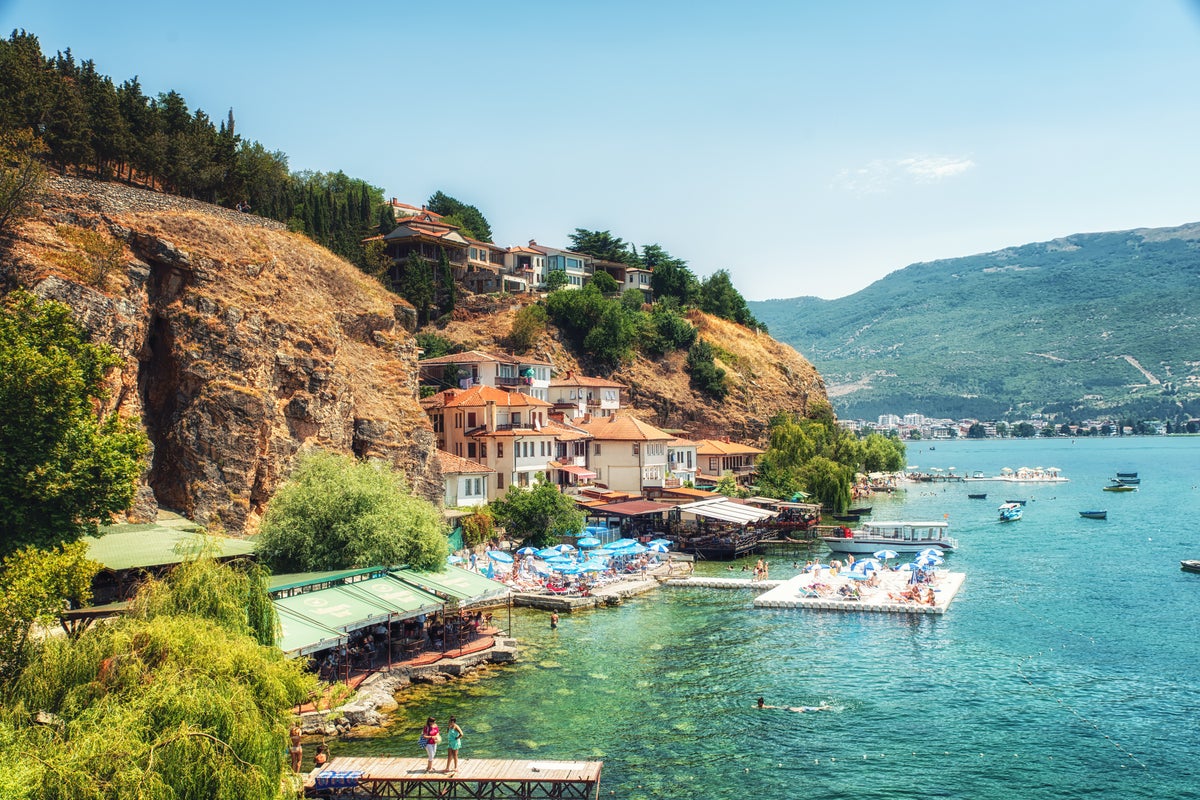
Turkey, Romania and Hungary are out – while Albania, North Macedonia, Serbia and Slovenia are in.
Reading the latest Eurocontrol numbers on travel to Europe, it seems that western Balkans countries are proving increasingly attractive to travellers this summer, while many turn away from nations to the east. Europe’s air traffic management coordinator Eurocontrol released data last week showing that Europe experienced record air traffic this summer – with an average of 35,959 daily flights – but that that traffic distribution was “influenced throughout summer 2026 by the Middle East crisis”. It reported that tensions in the region contributed to lower traffic to Bulgaria, Hungary, Romania and Turkey, but a significant increase in traffic to Albania, Croatia, Cyprus, Greece, Montenegro, North Macedonia, Serbia and Slovenia, as well as destinations in southwest Europe. The rise of tourism to the Balkans this summer does not come as much of a surprise. Many countries in the region are realising the value of the foreign traveller, and are investing in tourist infrastructure, while tour operators are increasing itineraries to previously overlooked nations; yet the link to war in the Middle East is interesting. Beyond concerns over safety, which can translate into an aversion to visiting countries in proximity to the Middle East (which I suspect is part of the reason for the drop in travel to Turkey), conflict will impact the way we travel in a range of ways. Since the US and Israel launched strikes on Iran in February, sparking a war that is sadly still rumbling on today, the cost of jet fuel has surged, airlines have reduced capacity, and flight routes have been altered, suspended or cancelled.