The Iran war will continue to disrupt global trade, and its impact is only likely to get worse as disruptions continue, the CEO of a major shipping company warned.
Maersk CEO Vincent Clerc told CNBC that the impact of the war will only worsen as time goes on. Clerc told the network that companies like his are enduring high costs that will be passed along to customers and clients.
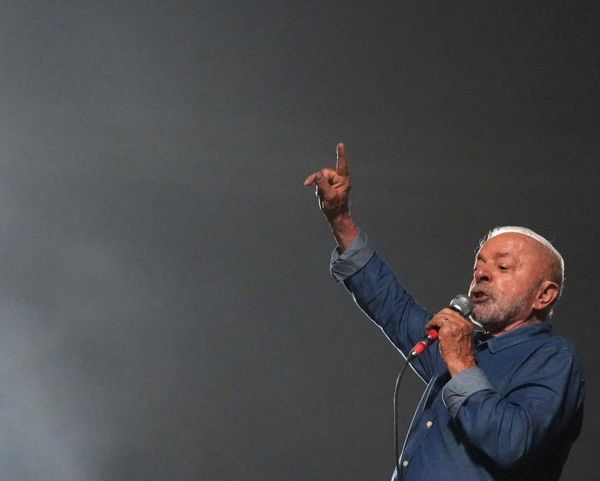
"We are highly energy intensive industry, and that has created a whole new set of circumstances that we now have to deal with," he told the network. "That will have an important impact on the second and third quarter."
Since the Iran war began in February, shipping through the Strait of Hormuz has been disrupted. This has disrupted supply chains as about 20 percent of the world's oil supply is transported through the Strait.
"What...this energy shock is going to mean is about $500 million of extra costs per month for as long as the oil remains around...in the $100 per barrel neighborhood, that is significant," Clerc told CNBC. "And there is so much we can do on reducing costs, but there is a lot we need to do on passing on these costs to customers, because it's such a massive cost increase that we can't shoulder it."
"As some of these costs make their way all the way up to the end consumer, will we see demand destruction at the consumer level? And will that then reverberate throughout the supply chain with softer demand in the second part of the year?" Clerc asked rhetorically.
Other figures are also raising concerns about the ongoing scenario. Federal Reserve are signaling alarm over the economic fallout of the war, with several of them warning that inflation risks are becoming harder to contain as the conflict drags on, according to a new report.
Divisions inside the Fed became more visible during the central bank's late-April policy meeting, where three officials dissented against language suggesting interest rates could eventually move lower.
Cleveland Fed President Beth Hammack, Dallas Fed President Lorie Logan and Minneapolis Fed President Neel Kashkari argued that policymakers should acknowledge the growing possibility that rates may need to remain elevated or even increase if inflation worsens.