
Get all your news in one place.
100’s of premium titles.
One app.
Start reading
TechRadar
TechRadar
Rowan Davies

Tired of noisy airplane passengers? Good news — United Airlines says it will now ban those who ‘fail to use headphones’ for music and video

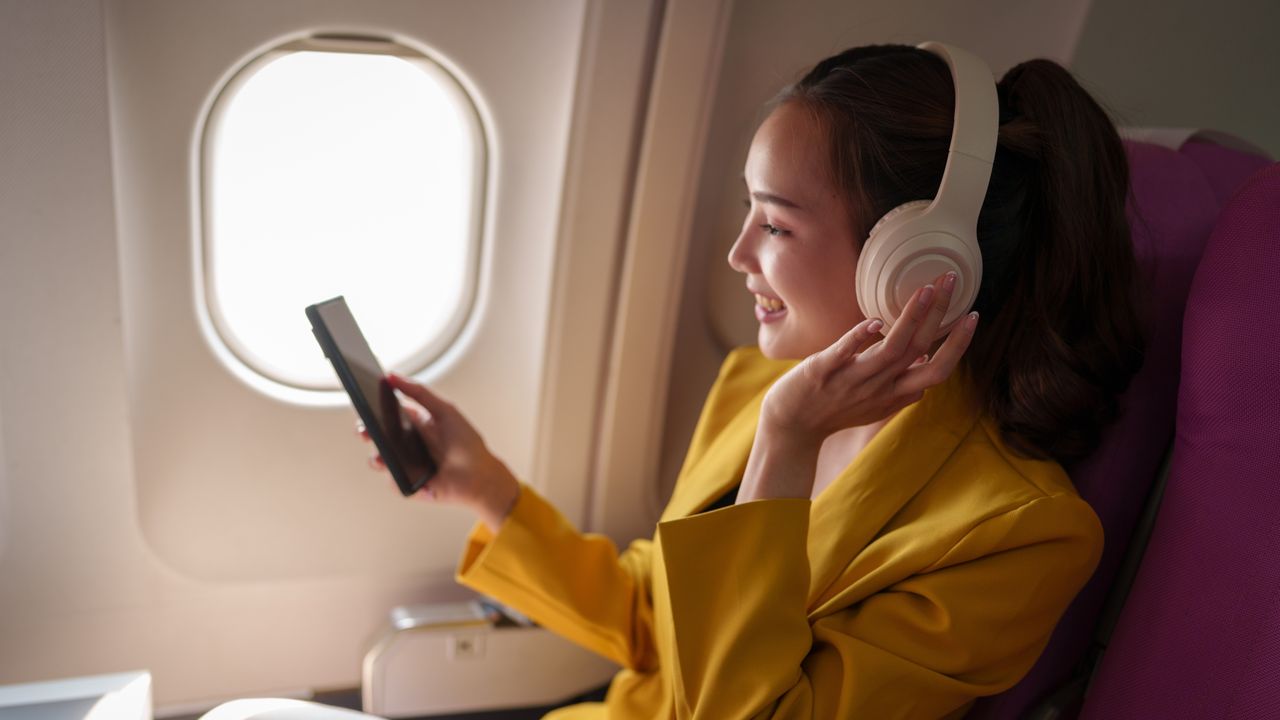
A business woman in a yellow suit with headphones around her neck has fun using a smartphone to listen to music.

  • United Airlines has quietly updated its regulations on headphone usage
  • Passengers will now be required to wear headphones when listening to music and other media
  • If you fail to comply, you could be removed from the aircraft or even face a permanent ban
In-flight media makes those long and tedious journeys go by quickly, but a quiet new change in United Airlines’ terms and conditions enforces strict headphones etiquette for passengers, which could result in permanent bans if not followed.

The airline company has recently updated its carriage of contract with a new clause that states all passengers must wear headphones or earbuds in an attempt to limit the noise levels as much as possible, ensuring a peaceful experience for all. This applies to passengers who are listening to audio, scrolling social media, or watching videos.

Under its ‘Refusal of Transport’ section, United Airlines now reserves “the right to refuse transport” to all passengers “who fail to use headphones while listening to audio or video content”. If passengers don’t comply with the airline’s new guidelines, they could face removal from a flight, a temporary suspension, or even a permanent ban.

That said, United Airlines ensures that passengers can ask for headphones on board, sharing on its website: “Don't worry if you forget your headphones for your flight. If they're available, you can request free earbuds.”

(Image credit: United Airlines )

This follows the airline’s recent changes to its WiFi rules, when it shared a statement with USA Today saying: "With the expansion of Starlink, it seemed like a good time to make that even clearer by adding it to the contract of carriage." According to the airline, its updated WiFi rules have already encouraged passengers to use headphones while flying, but the travel refusal threats tighten the requirement further.

According to travel expert Scott Keyes, this marks one of the first instances where a US airline has enforced such regulations. Although other leading airlines have guidelines in place to encourage on-flight headphone usage, they don’t enforce them to the extent where removal from an aircraft is a possibility. Additionally, Keyes offered the following insight:

"This is in line with how the vast majority of travelers comport themselves and would like others to comport themselves," he shared with CBS News, adding: "It's usually only a small number of folks on airplanes who are making noise by not using headphones, so this is a graceful way to handle those folks."

This major update adds to United Airline’s list of misdemeanors that could warrant your removal or ban from its aircrafts, which also includes wearing offensive articles of clothing, making voice or video calls after the aircraft doors have closed, not following the airline’s non-smoking policy, and more. Now blasting TikToks and YouTube videos at full volume has been added to the list — because no one wants the blaring noises of grating kids’ internet personalities disrupting a long-haul flight.


Follow TechRadar on Google News and add us as a preferred source to get our expert news, reviews, and opinion in your feeds. Make sure to click the Follow button!

And of course, you can also follow TechRadar on YouTube and TikTok for news, reviews, unboxings in video form, and get regular updates from us on WhatsApp too.

Sign up to read this article
Read news from 100’s of titles, curated specifically for you.
Already a member? Sign in here
Related Stories
Top stories on inkl right now
One subscription that gives you access to news from hundreds of sites
Already a member? Sign in here
Our Picks
Fourteen days free
Download the app
One app. One membership.
100+ trusted global sources.