

Ticks look like tiny, harmless pests but their impact on a dog’s health is frightening. Beyond itching and irritation, some ticks release toxins that slowly paralyze a pet. If left untreated this condition known as tick paralysis becomes life threatening. Understanding the risks and acting early will save a dog’s life.
What Is Tick Paralysis?
Tick paralysis is caused by toxin released in a tick's saliva while feeding on a dog's blood. These toxins affect the nervous system interfering with muscle movement. Over time the dogs lose control over their legs, breathing muscles and even swallowing reflexes. This condition develops gradually within 3 to 7 days of tick attachment.
Early Warning Signs
The first symptoms are usually subtle and easy to miss.
- Weakness in hind legs
- Difficulty standing or walking
- Loss of balance
- Lethargy
- Change in voice or barking
- Excessive drooling
As the condition progresses this paralysis spreads to the front legs and chest muscles.
How Ticks Affect a Dog’s Body

When a tick attaches itself on a dog's body, it injects a saliva containing neurotoxins which block nerve signals between the brain and muscles. As a result, muscles stop responding normally. In severe cases, breathing muscles become weak leading to respiratory failure. This is why tick paralysis is considered a medical emergency.
Why Some Dogs Are at Higher Risk
Certain factors increase a dog's vulnerability:
- Long or thick fur as ticks get a hiding place easily
- Frequent outdoor activity
- Living near grasslands, forests or stray animals
- Lack of regular tick prevention
Puppies, senior dogs and sick dogs are especially at risk of getting ticks.
Prevention and Emergency Care
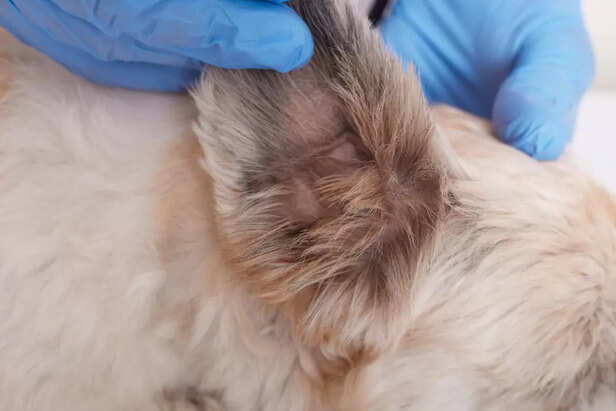
Prevention is the best defense.
- Use vet approved tick preventives regularly
- Check the dog daily especially after walks
- Focus on ears, neck, paws and underarms
- Keep the home and yard clean
If you find a tick then remove it carefully using tweezers. Pull straight out without crushing it. If a dog shows any weakness then visit a vet immediately.
Ticks are far more dangerous than they appear. What starts as a tiny bite turns into full body paralysis if ignored. As a responsible pet parent, regular checks, prevention and quick action protects a dog from serious harm.
Celebrate the bond with your pets, explore Health & Nutrition, discover Breeds, master Training Tips, Behavior Decoder, and set out on exciting Travel Tails with Times Pets!
Frequently Asked Questions (FAQs)
-
Is tick paralysis common in India?
Yes tick paralysis is common in India, especially in warm and humid regions where ticks thrive.
-
What kills ticks on dogs instantly?
The best and safest way to kill a tick on a dog is simply to submerge the tick in rubbing alcohol.
-
Are all ticks dangerous?
Not all ticks cause paralysis but many spread serious diseases. Every tick should be taken seriously.