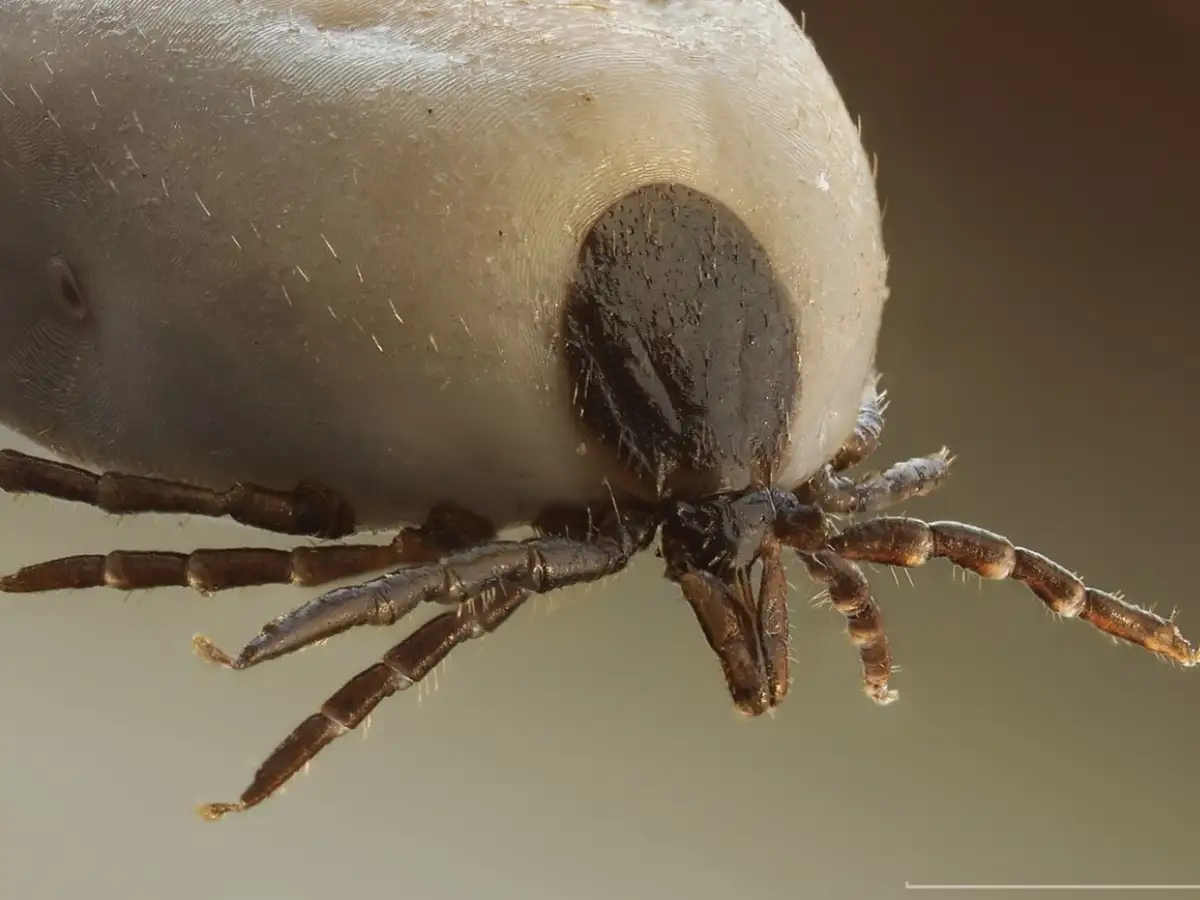
Most Americans believe ticks pose a threat only in thickly wooded areas or along overgrown paths meant for hiking. However, according to the CDC, it is the everyday characteristics of one’s backyards that can form an ideal environment for ticks. Moisture-retaining leaves, shaded spots, litter, vegetation around borders, and even wooden logs for landscaping can all provide suitable conditions for the development of the small creatures.
According to studies on tick biology, the real danger lies within so-called “edge habitats” where lawns, trees, fences, and shrubs meet. Being cooler and moister than regular grass, such habitats ensure a tick’s survival even in close proximity to human dwellings. The silver lining of the above-mentioned statement is that most of the threats can be easily controlled.