The United Kingdom did not emerge as a single state in one moment. It was assembled through a series of unions, legislation, conquest and political settlements spread over several centuries.
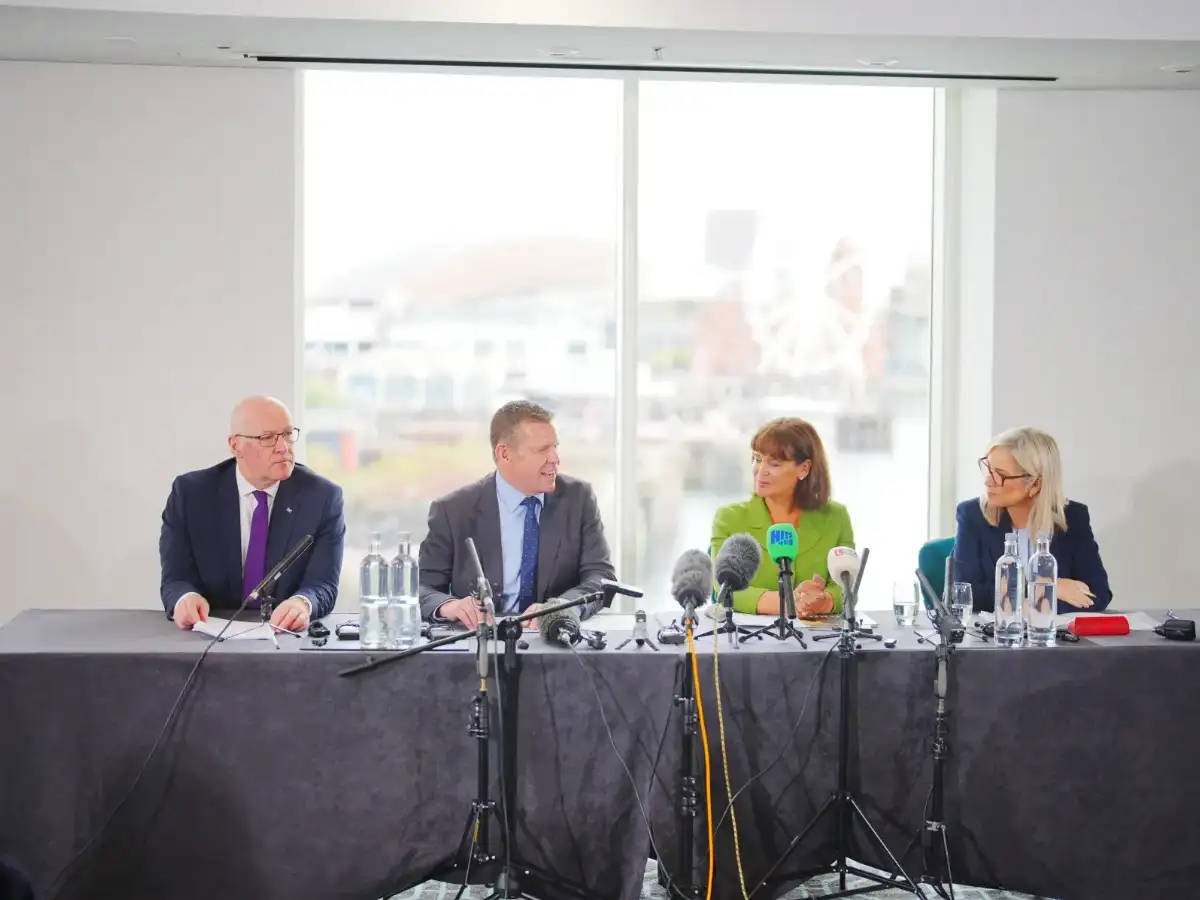
Now, with the leaders of the Scottish National Party, Plaid Cymru and Sinn Féin signing a memorandum of understanding in Cardiff calling on Westminster to “prepare, plan and facilitate constitutional change”, the question of whether the UK can remain intact has moved back into the spotlight.

Also Read: UK's unity threatened by pact between Wales, Scotland, Northern Ireland
The pact has political significance, but it does not itself change the UK's constitutional arrangements. The leaders signed it as party leaders rather than representatives formally binding their governments, and an expert quoted by AP said the agreement had no legal force.
How did the United Kingdom come together?
Wales came first. Wales had been conquered by the English Crown over the 13th century. The Laws in Wales Acts of 1535 and 1542 formally incorporated Wales into the English legal and political system, giving it representation in the Parliament of England.
Scotland followed, but through a different route. In 1603, the death of Elizabeth I brought James VI of Scotland to the English throne as James I. England and Scotland therefore shared a monarch, but remained separate kingdoms, with separate parliaments and legal systems. This was the Union of the Crowns, not yet a political union.
That changed in 1707. The English and Scottish parliaments approved the Acts of Union, creating the Kingdom of Great Britain from May 1, 1707, with a single Parliament. Scotland retained important separate institutions, including its distinct legal system and church.