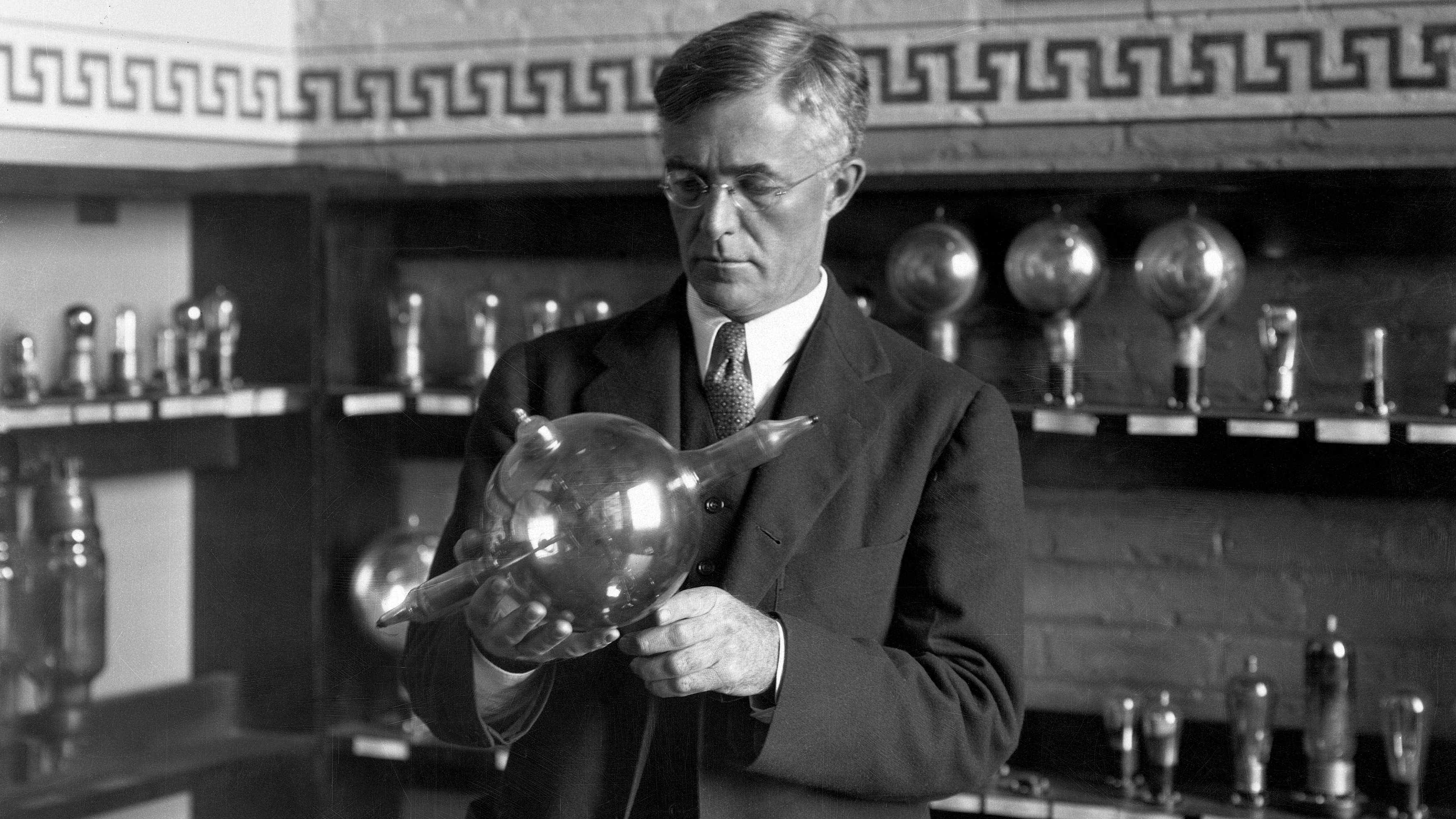
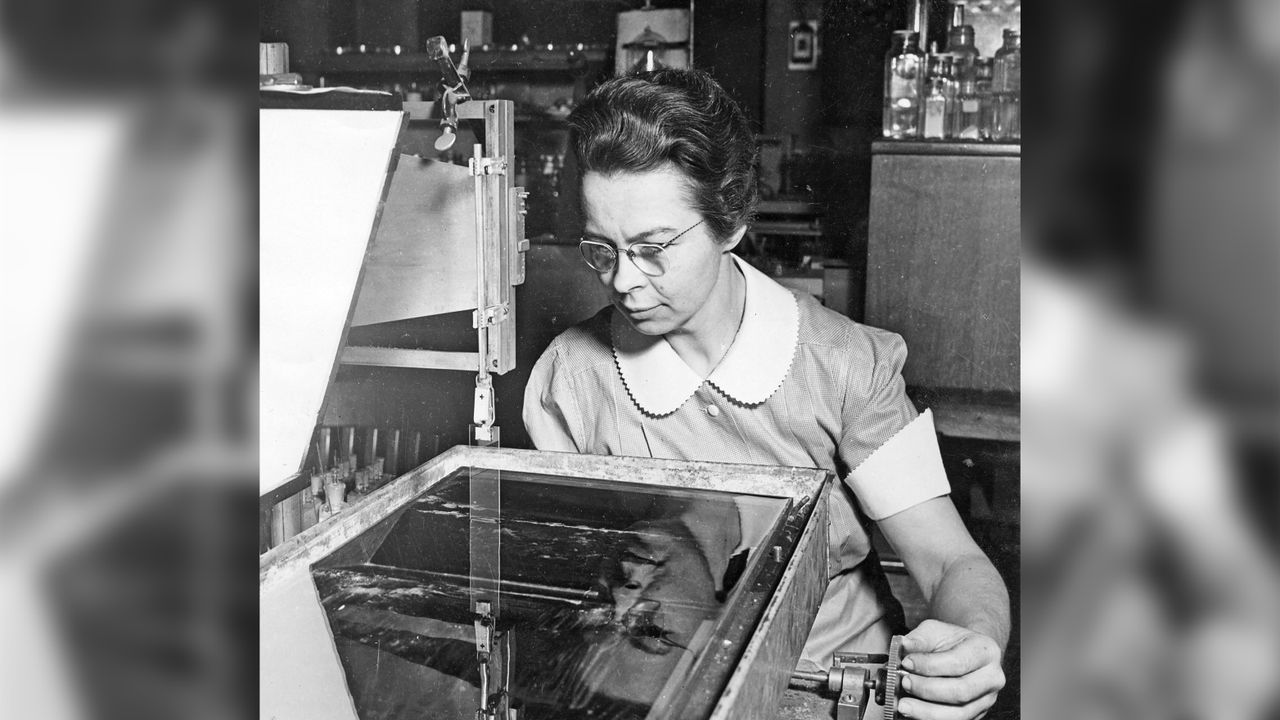
Few women have had as big an impact on photography as Katharine Burr Blodgett – and I’m going to hazard a guess that you’ve never even heard of her. In all fairness, until recently, I hadn’t either, but every photographer on Earth owes Blodgett a debt of gratitude.Blodget (1898-1979) was an American physicist and chemist, and her co-invention of non-reflective glass changed photography forever. It’s hard to understate just how much of an impact her invention had, as its principles are still used in camera lenses today. In 1938, as an employee at General Electric, Blodgett and fellow researcher Irving Langmuir (1881-1957) refined a way of coating glass with a chemical layer that enabled 99% of light to pass through it. This significantly reduced unwanted glare and reflections, and the principle has been applied to camera lenses ever since. The chemical layer that the duo invented came to be known as Langmuir-Blodgett film – and it consisted of 44 single-molecule-thick layers of fatty acids derived from soap. While Langmuir invented the layer itself, Blodgett figured out how to control its thickness and apply it to glass.