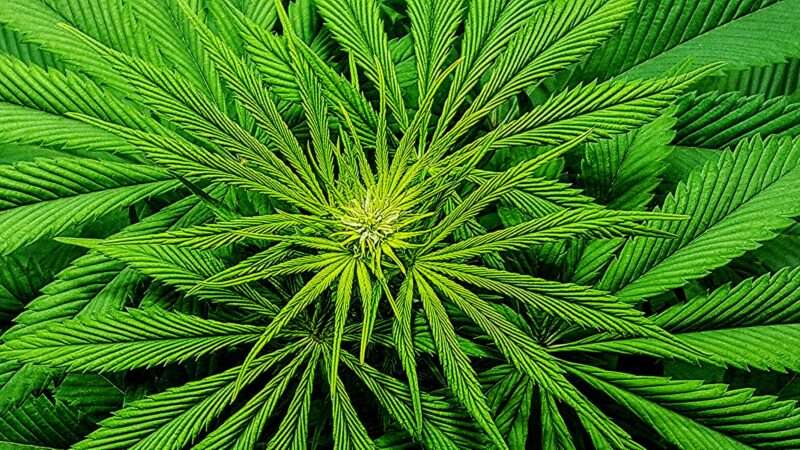
The last time voters sent Donald Trump to the White House, I barely noticed on Election Night because I was so pleasantly surprised by the electoral success of marijuana reform. In 2016, voters in California, Maine, Massachusetts, and Nevada approved recreational legalization, while voters in Arkansas, Florida, Montana and North Dakota approved or expanded medical use. Two years later, Michigan joined the first list, while Missouri, Oklahoma, and Utah joined the second.
In 2020, recreational initiatives won in Arizona, Montana, and New Jersey; Mississippi voters approved marijuana as a medicine; South Dakota voters approved both steps simultaneously; Washington, D.C., voters told police to leave psychedelic users alone; and Oregon voters passed two groundbreaking drug policy measures—one authorizing state-licensed "psilocybin service centers," the other decriminalizing low-level possession of all drugs. The 2022 midterms delivered several more victories: Maryland and Missouri legalized recreational marijuana, and Colorado voters approved a measure that decriminalized five naturally occurring psychedelics.