
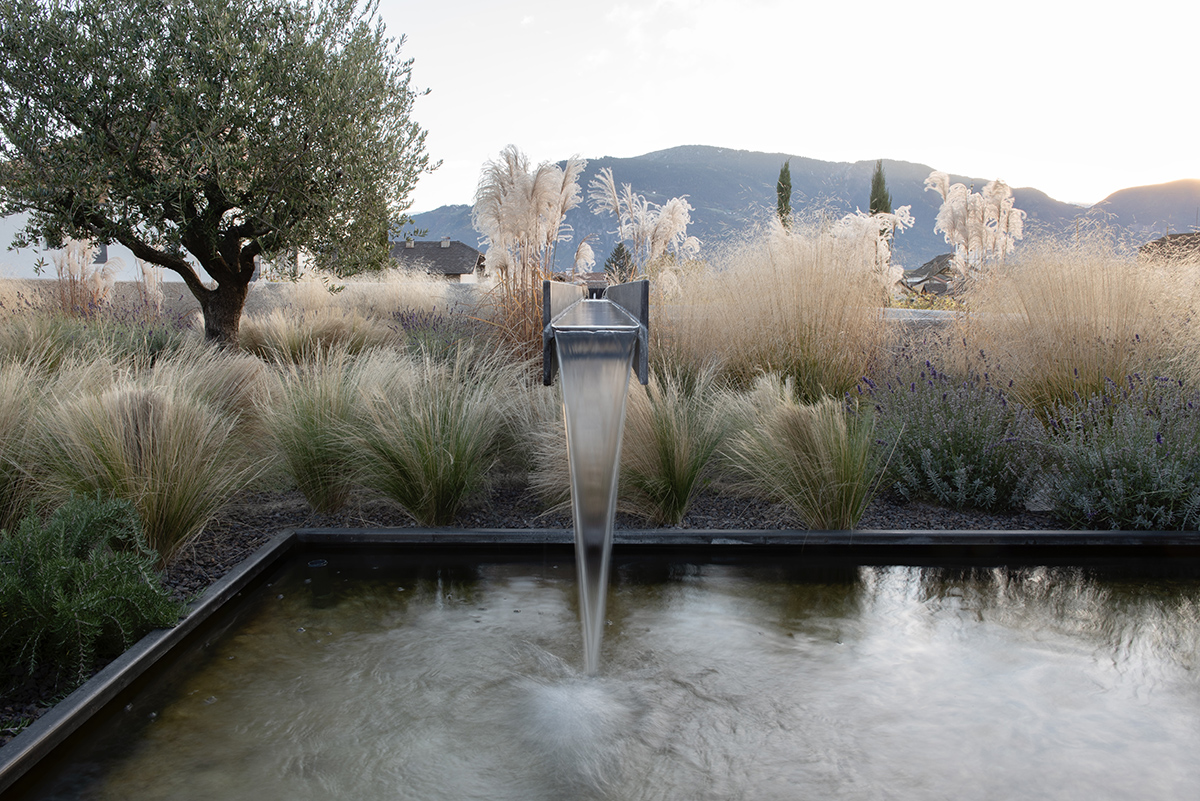
Before I ever got into gardening, I was always struck by how plants and animals interacted or were affected by the forces of nature. I was fascinated by the way a kestrel could be completely motionless in the sky as it tilted and flexed its muscles against the force of the wind. Trees that grow straight and tall inland would be gnarled and bent when growing by the sea, sculpted by the force of the wind into huddled, hunched, human-like forms about to ‘break their backs’ in their desperate attempts to avoid the blasts.
Plants and animals are defined by their environment. Plants always seek the light – they are sun junkies – but they also dance to the tune of the wind. Indeed, many plants need wind if they are to be physically strong. Exposure to wind strengthens their cells and promotes secondary thickening, a process that makes the stems more resilient. If you have ever grown a sunflower or other tall plant in a sheltered greenhouse and then moved it outdoors, you will know what I mean. Within a day or two your lovely straight, proud plant is left battered and broken, while the leftover sunflower seeds you threw on to the vegetable plot have morphed into sturdy, compact and battle-hardened specimens.