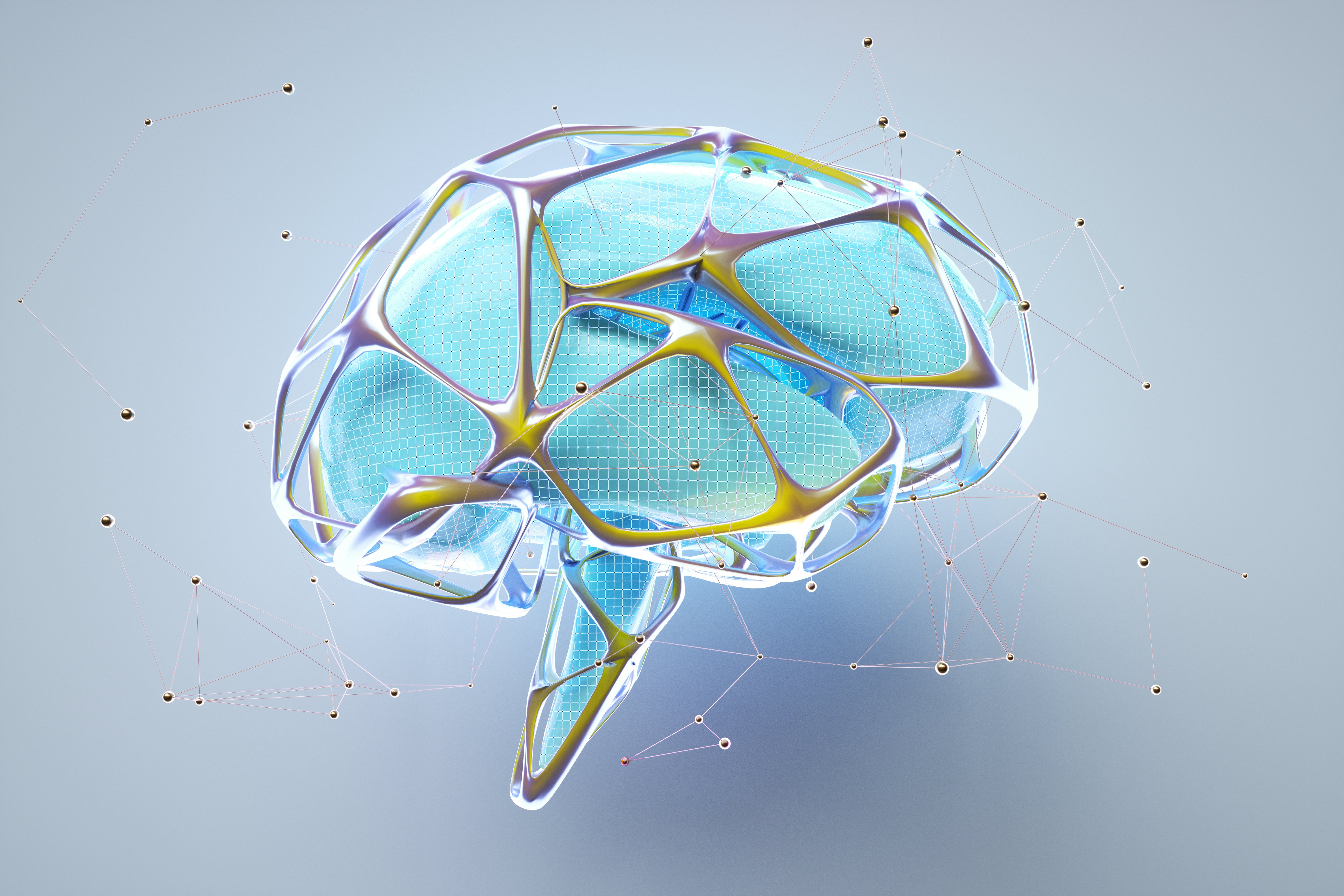
Post-traumatic stress disorder (PTSD) afflicts some 30 percent of trauma survivors and military combat veterans, one 2015 paper estimates. And despite an increase in interest and research in the past couple decades, scientists still don’t fully understand the cause, or how to treat it. A new study, however, identified a brain circuit that could be ripe for PTSD treatment.
Neuroscientists in Massachusetts, Rhode Island, North Carolina, California, and Illinois found that those with damage connected to their amygdala were less likely to develop PTSD. The researchers then hypothesized that there must be a circuit that protects against PTSD when damaged. They detail these findings in a new paper published today in the journal Nature Neuroscience.