Get all your news in one place.
100's of premium titles.
One app.
Start reading
T3
T3
Technology
Luke Edwards

This new airline rule just made way for supersonic flight, minus the sonic boom

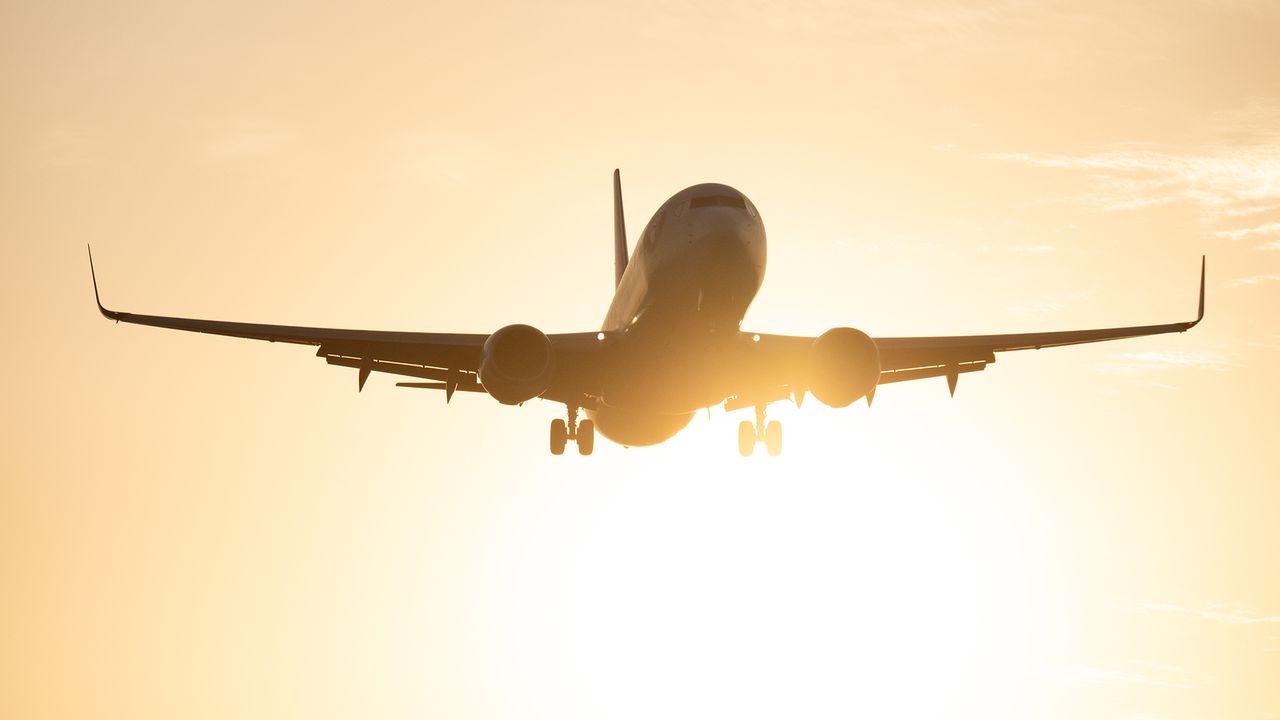
Aeroplane flying from a sunset.

Quick Summary

The US government has proposed new rules that could allow civilian aircraft to fly faster than the speed of sound over land without producing a disruptive sonic boom.


If approved, the move could pave the way for a new generation of supersonic passenger jets and dramatically shorter journey times.

Supersonic jets, that we can use, might be coming back to the skies for real. The US Department of Transportation has announced plans to replace its 53-year ban on civilian supersonic flight over land with a new regulatory framework based on noise rather than speed.

Instead of automatically prohibiting aircraft from exceeding Mach 1, the proposed rules would allow manufacturers to certify aircraft that can operate without creating a disruptive sonic boom. Meaning, if they can go that fast and keep relatively quite, there is no longer a speed limit in the skies.

The current restriction dates back to 1973, when the sonic booms produced by aircraft such as Concorde made overland supersonic travel impractical. Advances in aircraft design have changed that.

Companies including Boom Supersonic are developing aircraft designed to reduce the boom to a much quieter "thump", while NASA's X-59 research aircraft is helping validate low-boom technology. If the new rules are adopted, they could eventually make much faster domestic flights possible across the US.

The announcement is only the first step, with detailed noise standards still to be developed before commercial aircraft can be certified. Manufacturers will also need to prove their designs comply before passengers ever board a flight.

But replacing the speed limit with a performance-based standard removes one of the biggest regulatory barriers facing supersonic aviation.

While the change won't see Mach 1 passenger flights return overnight, it marks one of the most significant shifts in aviation policy for decades. If aircraft makers can deliver on their promises, journeys that currently take five or six hours could eventually be completed in half the time – without the window-rattling sonic boom that grounded the idea more than 50 years ago.

Sign up to read this article
Read news from 100's of titles, curated specifically for you.
Already a member? Sign in here
Related Stories
Top stories on inkl right now
One subscription that gives you access to news from hundreds of sites
Already a member? Sign in here
Our Picks
Fourteen days free
Download the app
One app. One membership.
100+ trusted global sources.