Get all your news in one place.
100's of premium titles.
One app.
Start reading
Homes & Gardens
Homes & Gardens
Tenielle Jordison

This Is the Exact Temperature Your Soil Should Be Before Planting Vegetables – to Guarantee a Bumper Harvest

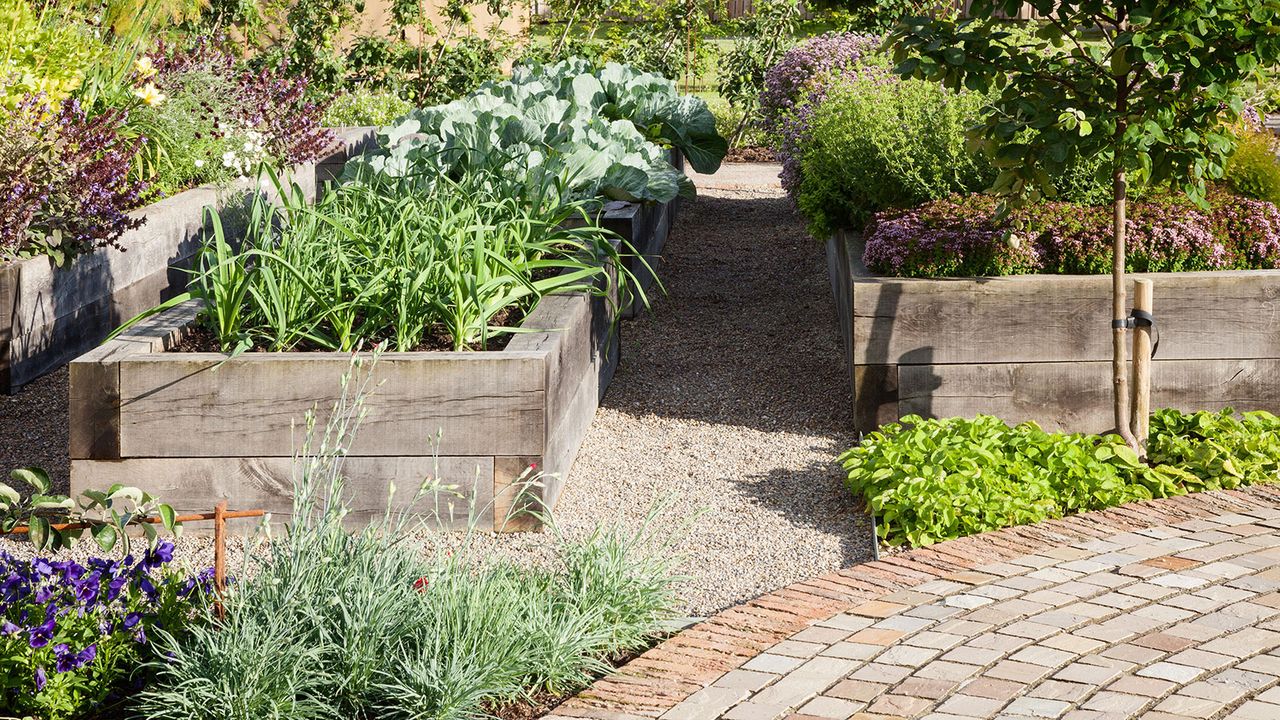
Raised timber garden beds in a vegetable garden.

As a beginner vegetable grower, I'm trying to navigate the right time to plant out certain crops in my garden. It all comes down to whether they're cool or warm-season vegetables, and fundamentally, the temperature of the soil.

The difference between the two is when these kitchen garden goods grow and the optimal conditions required. Cool-season crops, including leafy greens like spinach and lettuce, are best planted before the scorching summer temps. Meanwhile, warm-season crops, like legumes and cucurbits, prefer the soil to be much warmer. Planting vegetables at the wrong time can shock the plants and hinder your harvest.

The trick to being successful is knowing the exact soil temperature to plant vegetables, and a handy soil thermometer (like this one from Amazon) can help you monitor this. Here, Drew Swainston, Gardens Content Editor at Homes & Gardens, reveals all about cool and warm-season crops.

The Optimal Soil Temperature For Cool-Season Crops

(Image credit: Future)

If you're hoping to grow lots of salad crops, like lettuce, spinach, and arugula, or root vegetables, like carrots and radishes, then it's important to know the right soil temperature for cool-season crops.

'Soil temperature is a crucial yardstick for planting vegetables. Your plants will establish efficiently if they are planted when the soil is just the right level,' explains Drew. 'If you do it too early, the plants are liable to sit there in cold soil sulking like a surly teenager,' he warns.

'The exact temperatures do vary slightly, depending on the crop, but for cool-season crops, the soil needs to be at least 45-50°F,' Drew notes.

Some crops are able to tolerate lower temperatures, notably lettuce, spinach, and potatoes, but Drew says to think of 45°F as a safe marker.

This tends to be the vegetables to plant in spring and vegetables to plant in fall, when conditions are milder. Of course, exact timing will depend on the climate in your US hardiness zone, so it's important to keep up to date with your local forecast.

You should use a reliable soil thermometer (like this one from Burpee) to check the temperature is consistently between 45-50°F for a week to 10 days, to ensure its a reliable planting window.

You can also get a soil thermometer that also tells you about moisture, pH levels, and sunlight exposure, like this 4-in-1 digital soil meter from Amazon.

The Optimal Soil Temperature For Warm-Season Crops

(Image credit: Getty Images / tovfla)

Popular warm-season crops include some legumes, cucurbits, tomatoes, and peppers, as well as other vegetables to plant in June. These vegetables require much warmer soil conditions for planting out.

'When it comes to warm-season crops, they would be in for a shock if you planted them at similar temperatures to cool-season ones,' Drew warns.

'These plants want warm roots, and their need for snug conditions means the soil should reach consistently 65-70°F before planting them,' he notes.

Of course, you may have started seeds indoors or in a greenhouse earlier in the season to get a head start. But, you should wait to transplant them until its warm enough to encourage strong and vigorous growth.

'Check the soil temperature over a few days, doing so a few inches under the surface. Don’t just do one reading – one day of warm soil is no guarantee that your plants will be happy,' Drew advises.

Once again, you should take a soil thermometer reading over several days to be sure conditions are suited to warm-season crops. This is especially true during the fluctuating, and often misleadingly temperate, conditions of late spring.

You can also get a digital soil thermometer from Walmart, for easy and convenient readings.

What to Shop

This 4-in-1 soil meter provides readings of soil temperature moisture, pH levels, and sunlight exposure.

This 36-cell seed starting tray is made of durable silicone, so you can easily pop seedlings out with minimal root disturbance.

This pack of non-GMO, heirloom vegetable seeds has 25 different varieties for planting in late spring and summer.

Planting out vegetables when the soil temperatures aren't right is just one vegetable gardening mistake to avoid. You should also take care not to plant crops too close together and avoid planting more than you need to minimize food waste.

If you love inspiring garden ideas, outdoor advice, and the latest news, why not sign up for our newsletter and get the latest features delivered straight to your inbox?

4-In-1 Digital Soil Meter Seed Starting Tray Summer Fruit & Vegetable Seeds
Sign up to read this article
Read news from 100's of titles, curated specifically for you.
Already a member? Sign in here
Related Stories
Top stories on inkl right now
One subscription that gives you access to news from hundreds of sites
Already a member? Sign in here
Our Picks
Fourteen days free
Download the app
One app. One membership.
100+ trusted global sources.