
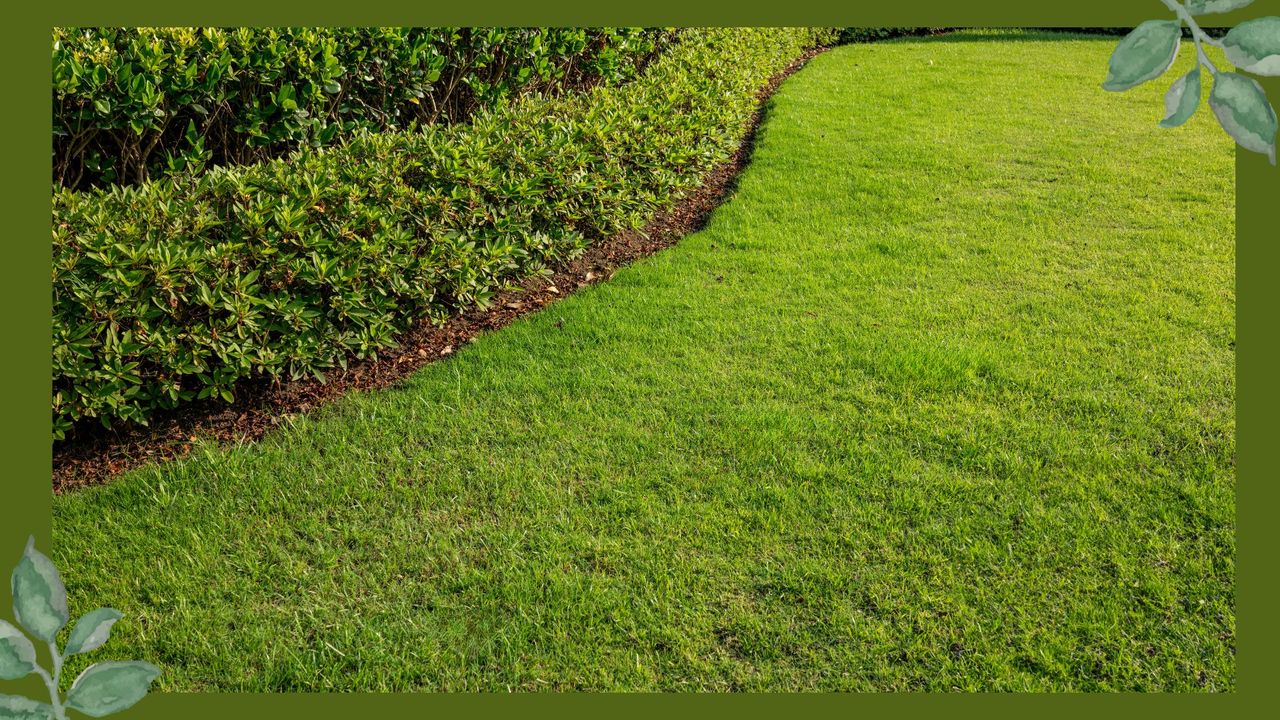
With summer just around the corner, now is the perfect time to give your lawn some much-needed TLC to help it retain a gloriously healthy shade of green, no matter what the weather has in store.
Between learning how to level a lawn and knowing how often you should water your grass in summer, there's a lot to keep track of when it comes to lawncare. And if you really want to make your lawn impressive, making it look greener during the summer takes a certain level of effort and maintenance.

However, if you want to make your garden look more expensive, putting extra effort into making your grass greener is a great place to start. And to make the process as easy as possible, we've called on our team of gardening experts to share their professional tips and tricks.
How to make grass greener: 5 expert-approved tips
While you might already know many of the lawn care tips to keep your grass green during summer, actually getting it to the glorious green colour you want for the first time is a little more work.
To ensure you don't accidentally make any lawn care mistakes, here's exactly what the experts recommend doing to achieve grenner grass...
1. Mow at the right height

You might assume mowing a lawn is a pretty straightforward task, and it is to some extent; however, there are a few things you'll need to be cautious of if you want luscious green grass.
"Most people mistakenly cut their grass too short, as they think that shorter grass means they will not need to mow as often. However, by doing this, you could actually be scalping your lawn and removing the leaf surface that grass needs for photosynthesis, weakening the plant," says Richard Barker, horticulture expert and Commercial Director of LBS Horticulture.
"You should not remove more than one-third of the height of the grass at one time, as the grass will respond to this by producing new shoots to create a denser, thicker lawn," he adds.
2. Fertilisation
Fertiliser is not just a good solution for when your lawn is turning yellow; it also has the important nutrients to make your grass greener too.
"A balanced liquid spring fertiliser supports steady growth without the surge and slump that can follow high, quick nitrogen feeds. Where a rapid cosmetic lift is needed, a small amount of iron can darken the leaf and discourage moss, but it works best as an add-on rather than the main plan," explains Dr Russell Sharp, Founder of Eutrema.
"Fast-acting iron does not work by creating chlorophyll; it is just the iron binding to the tannins in the cell walls, making them darker. For improved action, choose a chelated iron fertiliser over a simple iron sulphate, which will quickly get locked out and can kill soil biology," he continues.
It's also helpful to know your garden's soil type so you can adjust what kind of fertiliser and how much you'll need for your lawn.

This water-soluble solution is enough to cover 200 square metres and promises a'richer lawn in 5 days'

Using a fertiliser specially formulated for the season is a sure-fire way to get the right nutrients into the soil at the most needed time.

Suitable for all lawn types, this lawn food is certified for organic gardening by the Organic Farmers and Growers Association (OF&G).
3. Water deeply and infrequently

Knowing how to water your garden plants properly doesn't just mean your flowers and veggies; it also includes your grass. And mastering your lawn watering routine is key to making it greener.
"Watering a lawn lightly and frequently leads to shallow root systems and weak grass that will struggle during dry weather. Watering deeply and infrequently encourages grass roots to develop deeper roots, making the lawn more resistant to drought and better at accessing nutrients in the soil. When watering, soak the soil thoroughly so that water penetrates a few inches deep," instructs Richard.
"Allow the soil to dry out between waterings, as the grass roots need air as well as moisture. Natural rainfall should provide adequate moisture in most areas in cooler months, but this may need to be supplemented during extended dry or hot weather," he adds.
It's important you know how often to water your lawn during the summer, as temperatures will have a significant impact on its growth and overall health.
This hose attachment from Hozelock features a flow adjuster and five spray patterns, perfect for watering your lawn with precision.
4. Look after your mower
Even if you don't mow your lawn as often as you should, having a good-quality, sharpened lawn mower is essential. Especially when you want a certain look for your grass.
"Cutting your lawn is an important part of caring for it, but if the blade on your mower is dull, then rather than a clean cut, it tears and shreds the blades of grass. By damaging the grass in this way rather than staying green, the blades quickly dehydrate, becoming yellow or brown," explains Lucie Bradley, gardening expert at Easy Garden Irrigation.
"As well as making the grass more susceptible to disease. So you should always check the blade in spring and get it sharpened before your grass starts actively growing again and needs cutting. Ideally, you would check and resharpen the blade two to three times per season to ensure you always get a healthy, clean cut when mowing," she continues.
5. Aerate and fix compaction

It can be hard knowing how often you should be aerating your lawn. If you want your grass healthier and greener, you should only need to do it annually.
"When the soil in which your grass is growing becomes compacted, then there is less space for air, which often results in your lawn becoming waterlogged as water can’t drain as well through compacted soil," says Lucie. "Grass in waterlogged soil, where it can’t reach the nutrients or get the oxygen it needs, results in it turning yellow."
By aerating your lawn, you create holes in the soil, which allow water to drain and oxygen to reach the roots of your grass. So to prevent compaction, you should aerate your lawn at least once a year, ideally in spring, so that it enables your grass to put on healthy growth before the stresses of the warmer summer months arrive," she states.
Don't make a spring gardening mistake and completely forget to maintain your lawn before summer arrives.
Make aerating your lawn a breeze with this roller design aetor. It comes with a 2 year guarantee, is made of a sturdy materical and is a comfortable height so you won't be injuring your back.
How do I make my grass green again?
If you've gone to sort out your garden but found that your lawn isn't quite as green and thriving as it usually is, don't panic; there are ways to revive it.
"There can be many reasons as to why your grass is not green anymore, and there are ways to make it green again. Try watering the grass deeply and infrequently to encourage it to grow deeper roots and become more resistant to drought. Providing the lawn with a fertiliser rich in nitrogen can help with chlorophyll production, a component that is essential for growth and turning green," points out Richard.
What is poor man's grass?
It can be hard knowing what type of grass you're dealing with, especially with all the gardening jargon out there. One type, often referred to as Poor man's grass, is a low-maintenance lawn, but it is vulnerable to damage.
"Poor man's grass usually refers to Centipedegrass, a type of grass that is slow-growing and low-maintenance," Richard explains. "It has minimal fertiliser and mowing requirements compared to other grass varieties, and is ideal for growing in acidic soils or soils with low fertility.
It is naturally a lighter green colour, but it is not the best choice for gardens that see a lot of foot traffic, as it is easily damaged."
If your lawn is looking a little sparse, then overseeding it at the right time of year can yield some impressive results. It'll look fuller and healthier for summer when the weather allows you to enjoy it.