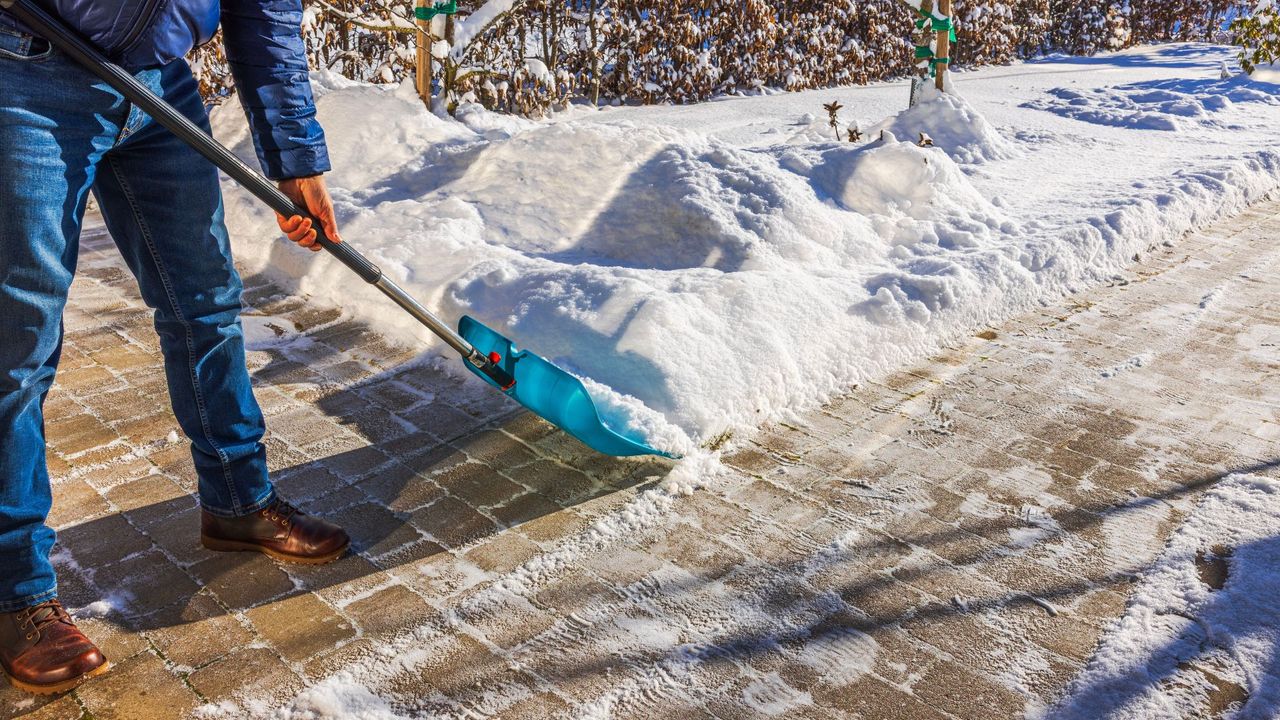
With most of the United States hit with heavy snowfall, homeowners are faced with the arduous job of clearing snow from their driveways, pathways, or around their property.
And while you might think that pushing snow to one side is a simple, thoughtless task, you could be making a common shoveling mistake. In fact, if you’re not careful, you could risk racking up a fine of up to $500 each time.
So, before you head outdoors to get to work, make sure you read this first.
The costly shoveling mistake
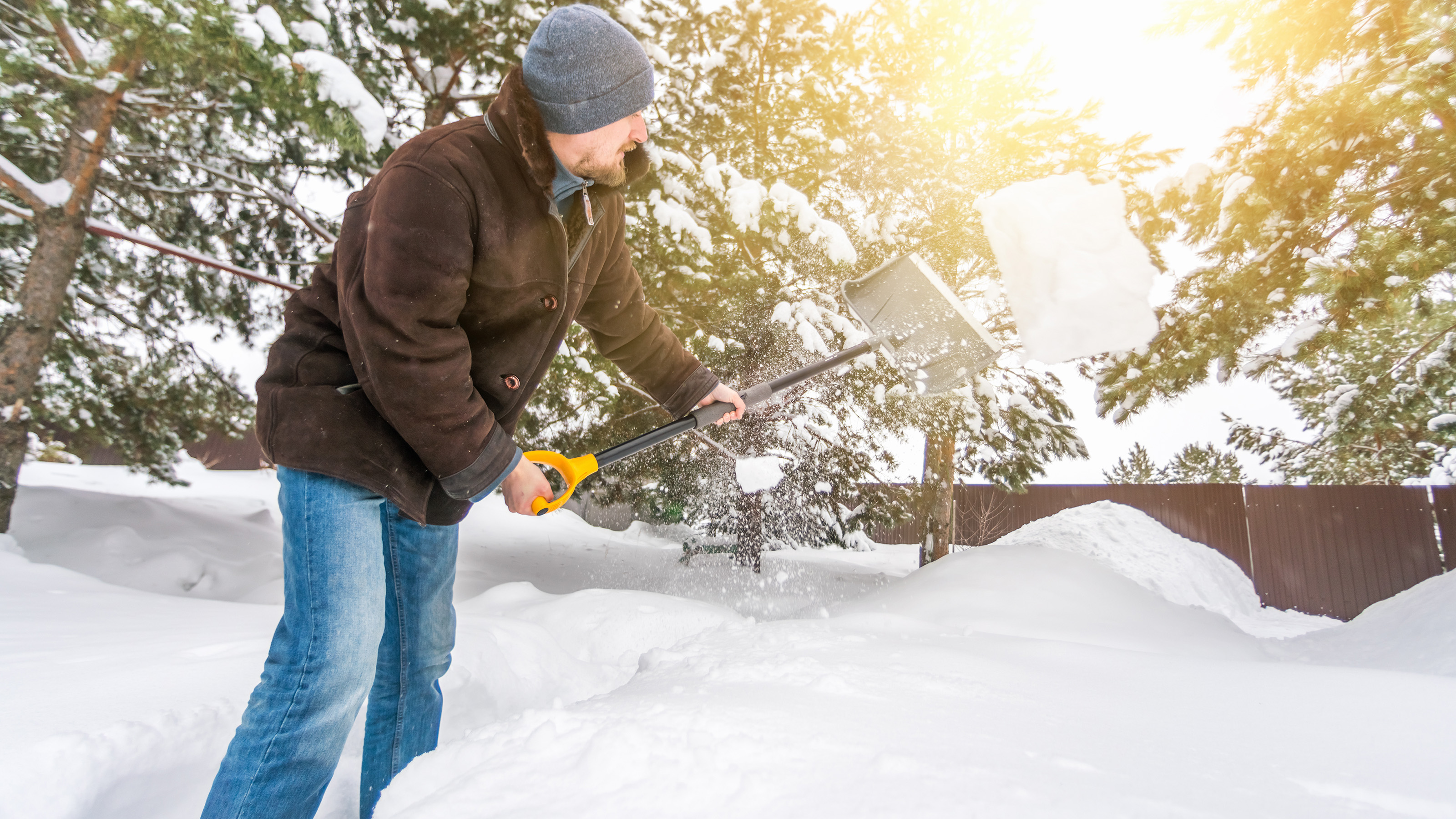
According to certain municipality laws, you must shovel snow on your side of any property lines and not beyond. That includes your neighbor’s side, on the sidewalk, and definitely not onto the street. Not only is this a safety risk to others, but it is also illegal in many states and can result in hefty fines.
“Municipal codes require snow to stay on your own property, not in the public’s right-of-way,” states Joshua Branch, Founder and Personal Injury Attorney at Law Offices of Joshua W. Branch.
“Most property owners aren’t aware that shoveling snow into the street enhances legal liability more so than not shoveling at all. In fact, there are often fines for not abiding by these rules, which can vary from $50 to $500 per violation, with some cities charging these fines per day.”
In addition, pushing snow onto a neighbor’s property without asking might be considered trespassing, especially if you step onto their land to do it. Much like the debate as to whether it’s OK to salt your neighbor’s side of the driveway, it’s best practice to always seek permission first if necessary.
Of course, if in doubt, it’s best to seek guidance from your local ordinance, and always stick to any legal rules. You don’t want to inadvertently cause a serious accident or risk breaking the law and paying fines this season.
What’s the best way to safely shovel snow?
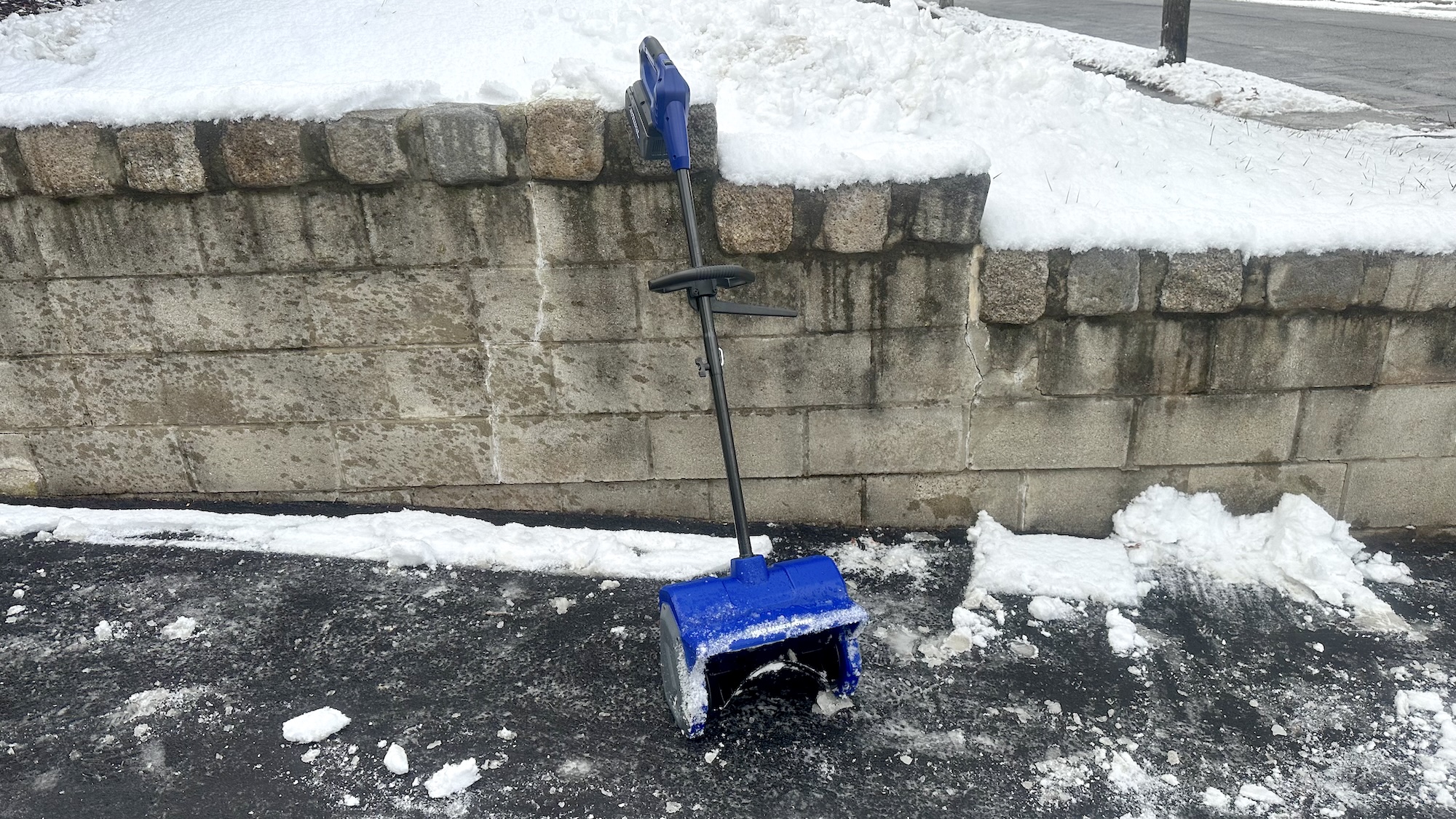
So what’s the best practice of clearing snow to avoid fines? Well, the answer is simple — always shovel snow on your property — including your lawn or pathways. And avoid shoveling or blowing extra snow onto the street, neighboring yards, or sidewalks.
A good tip is to spread the snow where it won't block anyone's view or refreeze into a hazardous ice patch.“Ideally, pile it where it won’t refreeze into slippery ice patches that can cause pedestrians harm or block the line of sight for drivers on your street,” advises Branch.
“The clock starts ticking usually within several hours after the snow stops falling. Once you begin clearing the snow, leave a path wide enough to accommodate those with accessibility needs, about three to four feet wide.”
Another good tip, when dealing with a heavy snowstorm, is to hire a professional snow removal service or even arrange a rotation with neighbors for shoveling duties. Plus, working together is a good way to avoid any neighborhood disputes about snow piles in the future.

Follow Tom's Guide on Google News and add us as a preferred source to get our up-to-date news, analysis, and reviews in your feeds.