Quick Summary
Forget exotic new battery chemistry, researchers say the answer could be as simple as giving lithium-ion batteries a gentle squeeze.

Get the pressure just right and battery life could double, cutting waste and reducing the need for mining new materials.
Every few weeks there's another headline promising a miracle battery breakthrough. This one is different because it doesn't reinvent the battery at all, it just gives it a hug.
Researchers at the University of Cambridge have discovered that keeping lithium-ion batteries under a carefully controlled amount of pressure can dramatically extend their lifespan. During charging and discharging, batteries constantly expand and contract, creating tiny mechanical stresses that slowly wear them out.
By using pneumatic "bellows" to maintain a constant pressure, the team found they could double a battery's working life without changing its chemistry or materials. The trick is finding the sweet spot.
Too much pressure causes lithium to build up where it shouldn't, while too little allows parts of the battery to crack. Get it just right, however, and the cells stay healthier for far longer.
That's a much bigger deal than it first sounds. Battery researchers often celebrate lifespan improvements of five or ten percent, so doubling longevity is eye-catching, especially when it comes from mechanical engineering rather than chemistry.
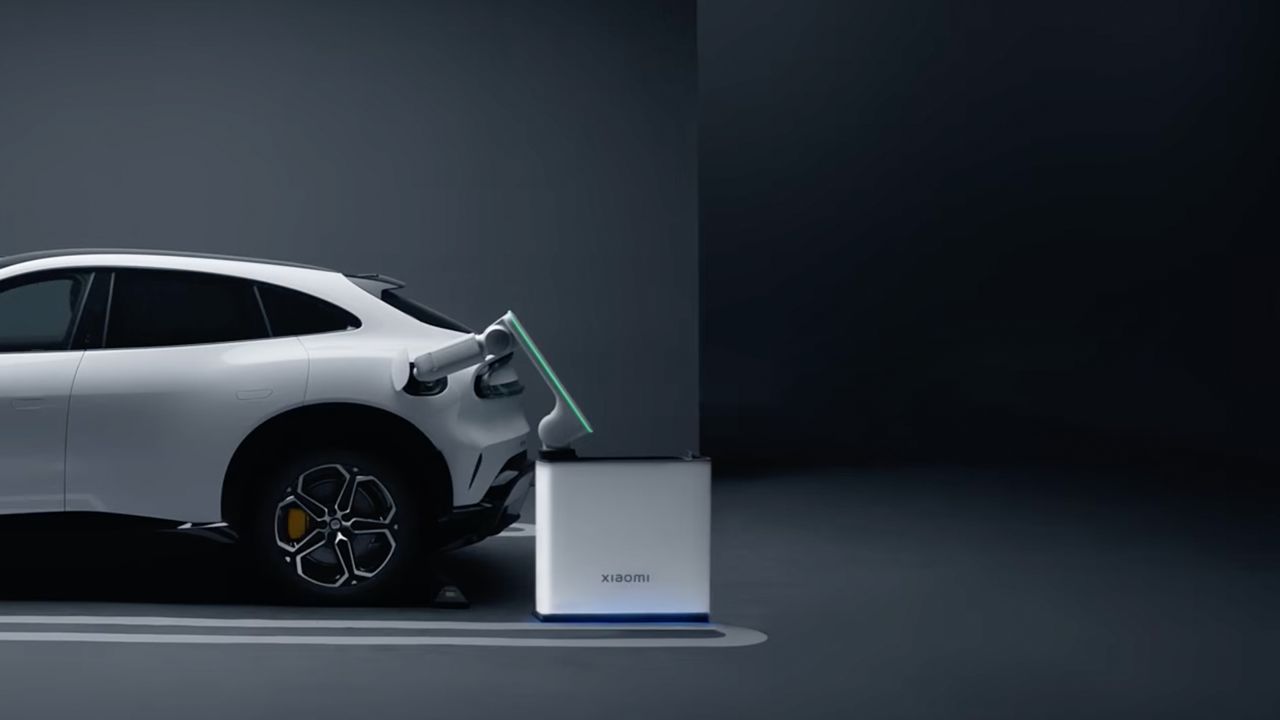
If the approach can be scaled from the lab into production vehicles, it could mean EV batteries that last significantly longer before needing replacement, reducing both ownership costs and the demand for mining materials such as nickel and cobalt.
Before you start squeezing your phone to make it last longer, though, don't. The pressure has to be applied evenly and constantly using a specially designed system built into the battery pack.
Still, it's refreshing to see a breakthrough that doesn't rely on a brand-new wonder material. Progress isn't always about invention, it can - it seems - be about knowing exactly how hard to push.