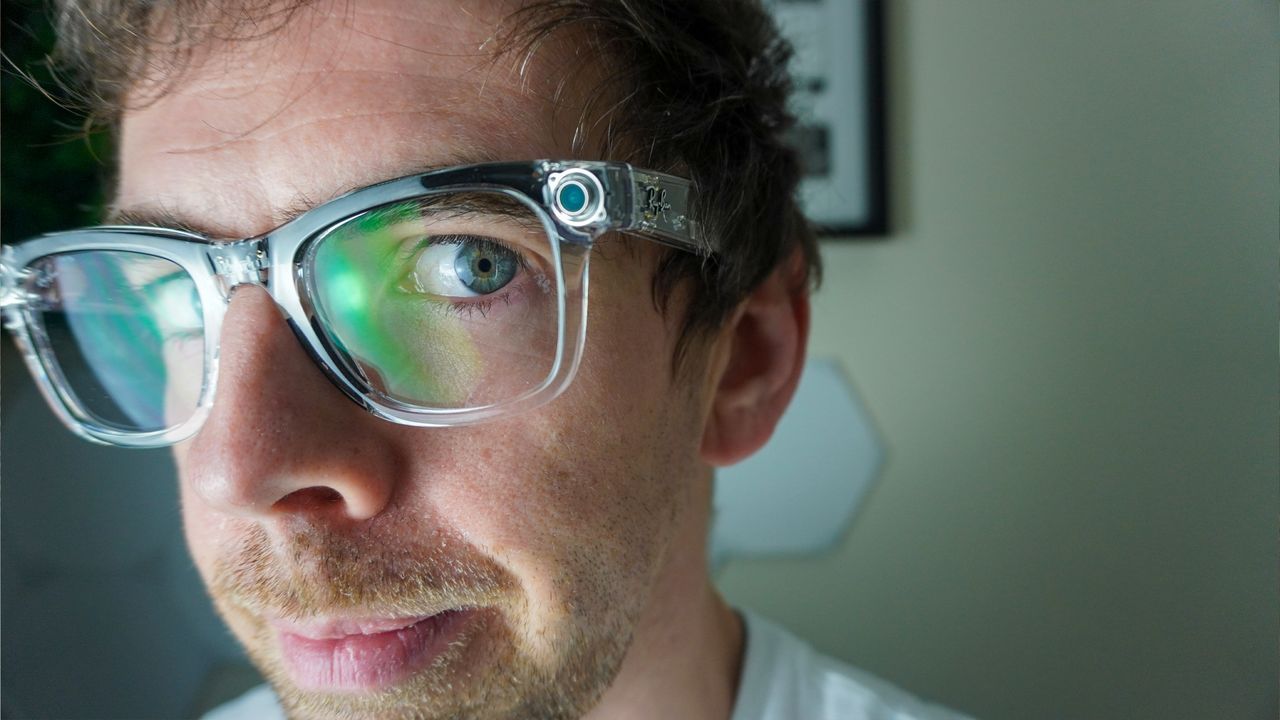
Nearly 20% of smart glasses users have admitted to filming others without their consent, according to one study. With Meta adding to the creepiness by bringing facial recognition to its specs and the smart glasses space exploding with Samsung, Google and Apple all throwing their hats in the ring soon, one hobbyist app developer is fighting back.
Called “Nearby Glasses,” this Android app is able to notify people when someone nearby is wearing camera-equipped smart glasses. You can download it right now from the Play store or via GitHub, and being real, I’m disappointed but not surprised that this has to exist.

Because in the words of William Gibson, a pioneer of cyberpunk: “The street finds its own uses for things.” And it doesn’t matter what the “official” purpose of a gadget may be, the users will find their own ways to use it — be it practical, profitable or (unfortunately) subversive enough that we’re in a situation to make software like this needed.
While this app is useful in terms of identifying smart glasses near you, developer Yves Jeanrenaud makes it clear (and I will as well) that this doesn’t mean you should harass people for wearing them. It is a criminal offense. Do not harass people just for wearing smart glasses.
How ‘Nearby Glasses’ works

So how does the app spot smart glasses? It comes down to a combination of Bluetooth Low Energy (BLE) and something called “advertising frames.” Every now and again, devices like the Ray-Ban Meta Smart Glasses will broadcast small packets of data that tell nearby devices “I am a Meta device,” so you know what to pair with.
This unique identifier is easy to pick up on, and with that, Jeanrenaud’s app can send you a push notification to warn you. On top of that, you can alter the detection distance depending on how widely you wish to scan.
Now, that’s not to say it’s completely reliable, and the developer does acknowledge this. Since it looks at a wide range of unique Bluetooth identifiers across Meta and Luxottica (the frame manufacturers for Meta and the upcoming Snap Specs), it can notify you of false positives of devices like the Meta Quest 3S or even smartwatches.
And that’s not to say this resistance will be thwarted in the future. If apps like this become popular, you may see manufacturers randomize Bluetooth signals to make them harder to identify. Or users themselves could just turn off the Bluetooth and use them as recording glasses, making them invisible to the app.
The price of progress

Honestly, while I appreciate the work of Jeanrenaud here, I’m sad that this even has to exist at all. It’s a heavy realization that we’ve reached a point where privacy isn’t a default state, but a service you have to actively run on your phone.
Smart glasses sales are spiking (that's only going to go higher when the big players enter the scene), cases of targeted harassment using smart glasses to record women without their knowledge are on the rise and there have been reported incidents of “surveillance voyeurism” in beauty salons and locker rooms.
As historian Edward Tenner noted, new tech often produces the exact opposite of its intent — smart glasses are meant to connect us to our world, yet they’ve created a new wall of suspicion between us and every stranger we pass.
And until companies prioritize society — making recording lights unhackable and veering away from the more dystopian developments like facial recognition and always-on AI features — apps like “Nearby Glasses” stop being a hobbyist project and start becoming an essential tool.

Follow Tom's Guide on Google News and add us as a preferred source to get our up-to-date news, analysis, and reviews in your feeds.
More from Tom's Guide
- Apple smart glasses have a secret weapon against Meta Ray-Bans — and it's Tim Cook's 'next big thing'
- I wore the most popular Ray-Ban Meta alternatives for a month — and they’re a lot better than I expected
- Meta Quest 4 is not dead — CTO indicates ‘officially leaked’ VR headset is still coming and company will ‘learn from’ Steam Frame