
Get all your news in one place.
100’s of premium titles.
One app.
Start reading
The Free Financial Advisor
Brandon Marcus

Think Twice Before Maxing Out a 401(k) If You Carry High-Interest Debt

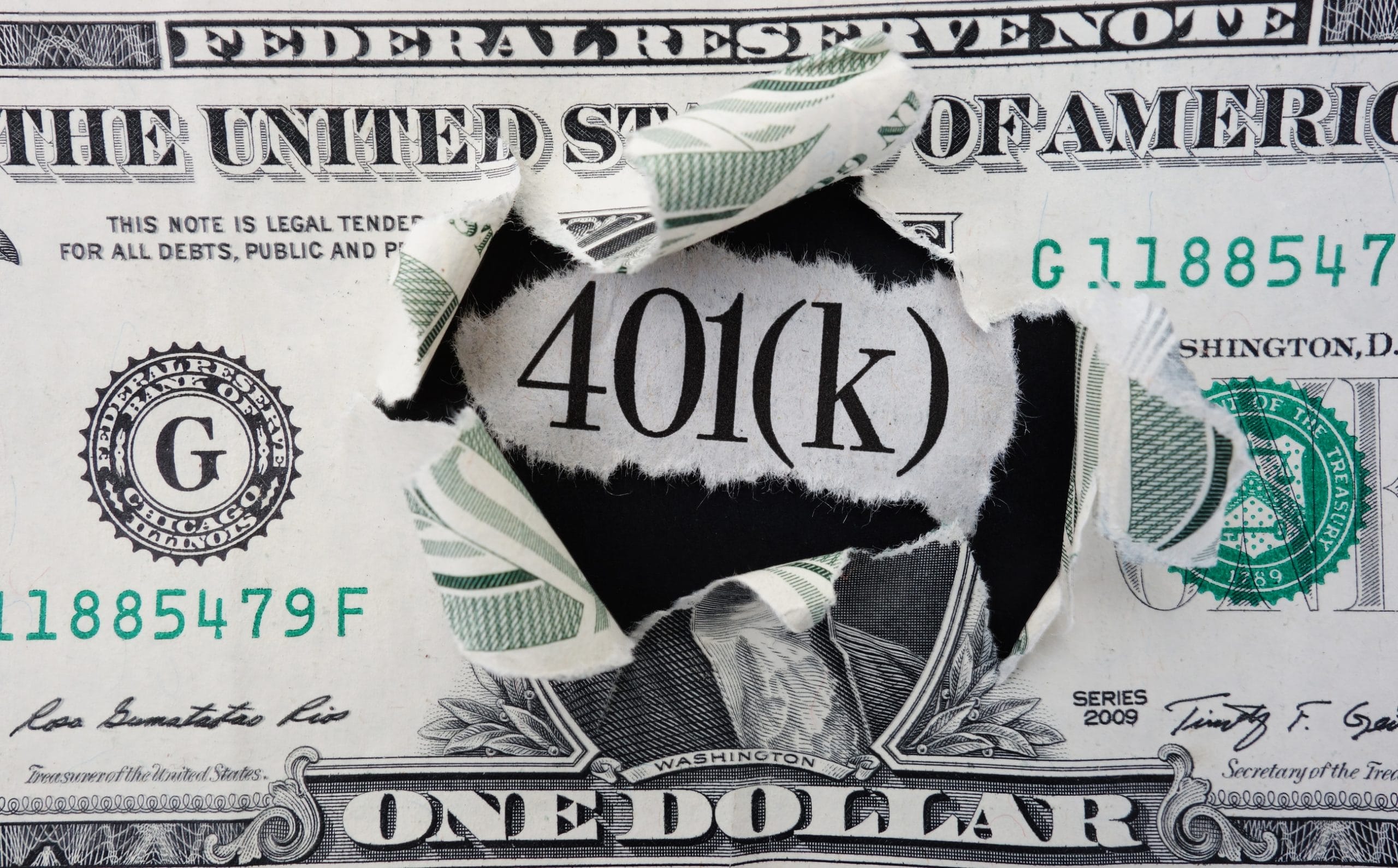
Image source: 123rf.com

A maxed-out retirement account sounds like financial victory. Slick headlines celebrate it. Financial advice columns praise it. Friends nod approvingly when the topic comes up at dinner. Yet one stubborn financial villain can quietly wreck that victory before it even starts: high-interest debt. Credit card balances that charge 18%, 22%, or even 29% interest do not politely sit in the background while retirement savings grow. Those balances gobble up money like a vacuum cleaner on turbo mode.

Anyone juggling retirement contributions and high-interest debt needs to pause and run the numbers carefully. In many situations, paying down expensive debt first creates far more financial momentum than racing to max out a retirement account.

The Interest Rate Showdown Nobody Talks About

High-interest debt fights like a heavyweight champion in the world of personal finance. Credit cards and certain personal loans often carry interest rates that soar well into the double digits. Retirement investments rarely deliver returns that high on a consistent basis, even during strong market years. Stock market investments historically average around 7% to 10% annually over long periods after inflation, although returns vary year to year. Credit card interest, on the other hand, locks in relentlessly at far higher rates. That math creates a brutal mismatch that many people overlook while chasing retirement contribution goals.

Picture a credit card charging 22% interest while retirement investments aim for an optimistic 8% annual return. Every dollar poured into investments fights an uphill battle against that 22% interest machine. Eliminating the debt first effectively produces a guaranteed return equal to the interest rate. Paying off a balance with a 20% interest rate delivers a financial win that few investments can match without taking enormous risk. Financial planners often point out this simple comparison because the numbers speak loudly. Anyone carrying high-interest balances should treat those debts as financial emergencies rather than minor inconveniences.

Employer Match: The One Exception Worth Grabbing

Retirement plans often include one powerful perk that deserves immediate attention. Many employers offer matching contributions on 401(k) plans. That match functions like free money placed directly into retirement savings. Ignoring that benefit leaves guaranteed returns sitting on the table. Most financial experts strongly encourage workers to contribute enough to capture the full employer match before focusing aggressively on debt payoff.

Consider a common scenario where an employer matches 50% of contributions up to 6% of salary. That structure means every dollar contributed up to that level receives an immediate 50% boost. No credit card interest rate can erase the value of that instant gain. Workers should typically contribute enough to secure the full match, then direct additional money toward high-interest debt until balances shrink dramatically. This approach balances smart retirement planning with practical debt reduction. Free money deserves priority because it accelerates long-term savings without increasing risk.

The Psychological Trap of “Doing Everything at Once”

Personal finance advice often encourages people to build emergency savings, invest aggressively, and eliminate debt simultaneously. That plan sounds heroic on paper, yet reality rarely cooperates with such ambitious juggling. Splitting money across too many goals often slows progress on all of them. Credit card balances shrink painfully slowly while retirement contributions inch upward without dramatic impact. Financial momentum fades quickly when progress feels invisible.

Focusing intensely on high-interest debt can create powerful psychological momentum. Watching balances shrink each month builds confidence and motivation. That energy fuels better financial habits across the board. Once the debt disappears, the same payment amounts can shift directly into retirement contributions. Suddenly, those contributions grow much larger than before because debt payments no longer compete for the same dollars. This focused approach transforms a frustrating financial juggling act into a clear path forward.

Interest Compounds… But So Does Debt

Investment marketing loves to celebrate compound interest. Retirement accounts benefit tremendously from decades of growth. Markets reinvest gains, earnings build on previous returns, and time multiplies the effect. Yet debt compounds as well, and high-interest balances compound far more aggressively. Credit card companies charge interest on existing balances, then pile additional interest onto that growing total month after month.

A $10,000 credit card balance with a 22% interest rate can generate more than $2,000 in interest charges in a single year if payments barely cover the minimum. That money disappears into the financial void instead of building wealth. Eliminating that balance frees up cash flow immediately. Every dollar that once fueled interest payments can begin building savings or investments instead. Debt reduction often creates the fastest path toward financial breathing room because it removes the drag that slows everything else.

Cash Flow Freedom Changes the Entire Game

Debt payments quietly drain financial flexibility every month. Credit card bills, personal loan payments, and interest charges claim a slice of income before any other goals receive attention. That constant drain limits opportunities to invest, save, or pursue financial goals with enthusiasm. Removing high-interest debt dramatically reshapes monthly cash flow.

Imagine eliminating a $500 monthly credit card payment. That same $500 suddenly becomes available for retirement contributions, emergency savings, or other investments. With no interest charges attached, that money begins working for the future instead of servicing past spending. Financial freedom often begins with improving cash flow rather than maximizing investment accounts. Debt elimination delivers that improvement faster than most strategies. Once cash flow improves, retirement savings can accelerate rapidly without the heavy burden of interest payments.

Image Source: unsplash.com

Smart Strategy Beats Financial Bragging Rights

Financial culture loves simple milestones. Maxing out a retirement account sounds impressive and often earns praise in personal finance circles. Yet smart financial planning rarely revolves around bragging rights. Strategy matters far more than flashy numbers. A person who eliminates high-interest debt before maximizing retirement contributions often ends up in a stronger financial position over time.

Financial health grows from thoughtful sequencing of priorities. Capture employer matching contributions first because that benefit offers unbeatable value. After that, attack high-interest debt with determination until balances vanish. Once those debts disappear, retirement contributions can ramp up dramatically with far less resistance. This strategy builds a stronger foundation for long-term wealth. Debt-free cash flow creates flexibility that aggressive investing alone cannot match.

Build Wealth Without Carrying Financial Anchors

Retirement savings should feel exciting, not like a frantic race against credit card statements. A clear financial path combines strategic investing with disciplined debt management. High-interest balances act like anchors that drag down financial progress no matter how hard someone paddles toward retirement goals. Cutting those anchors loose often delivers the fastest route toward genuine wealth.

Anyone juggling retirement contributions and high-interest debt should pause and evaluate the numbers carefully. Capture employer matches, attack expensive debt with intensity, and then unleash full power on retirement savings once balances disappear. That sequence builds both financial strength and peace of mind. A retirement account grows far more effectively when interest charges stop siphoning money away every month.

What strategy works best in your financial world right now: focusing on debt elimination first or racing to boost retirement contributions? Share your thoughts, strategies, or experiences in the comments section.

You May Also Like…

7 Alternative Investments That Outperformed the S&P 500 in 2025

Here’s What Your Financial Advisor Isn’t Telling You About Investing in 2026

Starting Retirement Savings at 30 With $0 — Is Catching Up Still Possible?

Is Mississippi the Cheapest Place to Retire?

7 Sun Belt Retirement Towns Seeing Significant Price Corrections

The post Think Twice Before Maxing Out a 401(k) If You Carry High-Interest Debt appeared first on The Free Financial Advisor.

Sign up to read this article
Read news from 100’s of titles, curated specifically for you.
Already a member? Sign in here
Related Stories
Top stories on inkl right now
One subscription that gives you access to news from hundreds of sites
Already a member? Sign in here
Our Picks
Fourteen days free
Download the app
One app. One membership.
100+ trusted global sources.







