Almost a week into Iran’s communication blackout, Iranian Australian activist Mohammad Hashemi received a call from his home country.
His brother, late on Tuesday, relayed that his family were safe. But relief receded quickly as he detailed the horror of the Iranian authorities’ response to the country’s escalating mass anti-regime demonstrations.
“He saw with his eyes, many people were killed in front of him and how they were just shooting everyone,” Hashemi says.
“When I heard the stories, what happened to people, I was crying about the situation and what’s going on in our country.”
The protests that have swept through the country in recent weeks are among the most destabilising episodes of unrest the Iranian regime has faced in years. While reports state that at least 2,000 people have been killed, unofficial estimates are as high as 12,000.
Hashemi’s family, who have participated in the recent protests, has previously been targeted by the country’s brutal regime. His cousin, Majid Kazemi, was executed in May 2023 after participating in a “Woman, Life, Freedom” protest in which three members of the security forces died.
It was one of many demonstrations in response to the death in September 2022 of Mahsa Amini in police custody after being detained for allegedly wearing her hijab improperly.
If Kazemi was alive to see the latest wave of demonstrations, with residents increasingly angry about the economy and mismanagement by the country’s theocratic leaders, Hashemi says he “would be proud of his people”.
The Sydney-based civil engineer is one of more than 85,000 Iranian-born people in Australia cut off from family and friends back home since the Iranian regime implemented the blackout last Thursday.
“We weren’t sure … is our family still alive?” Hashemi says.
“We couldn’t live a minute or a second without thinking [about] what’s going on in Iran.”
Authorities on Tuesday eased the communication restrictions imposed in response to the demonstrations, meaning Iranians were able to make calls abroad from their mobiles, according to Associated Press. The internet shutdown and block on inbound international calls remained in place.
Amir Madadi, a Sydney-based software developer, received a call on Tuesday night from his sister, one of four siblings in Isfahan in central Iran, which lasted only a few minutes before the line dropped out.
“She said we are good, don’t worry,” he says.
But Madadi remains apprehensive knowing his family, who have supported the protesters, may want to shield him from the brutality of the situation on the ground.
“In the past when something happens they normally don’t want to make me worry. They try to always censor the bad news from me.”
While some Iranian Australians have received calls from loved ones in Iran, others remain in a limbo with no confirmation their family is safe.
Dr Moj Habibi, an Iranian Australian artist based in Newcastle, is still trying to reach her family after they joined the protests in Tehran.
“It’s been very difficult and stressful, when there is no internet, and … you don’t know what’s happening with your family, and not hearing from them.
“But we have to be hopeful and be strong.”
Habibi, the president of the Australian Iranian Community Alliance, says she has been focusing on staying positive and going for walks and meditation but feels “desperate” as she awaits news about her father, a former journalist, her three sisters and their families.
“We can’t do anything … here. It’s so hard to see,” she says.
Habibi says it is shocking to see the regime’s use of deadly force against people who had taken to the streets demanding “basic human rights”.
“This is heartbreaking to see people are being killed just to seek their freedom. They want just the right … to live without fear.”
Another Iranian Australian who requested anonymity due to fear of the regime says her sister called on Tuesday when phone restrictions eased and described what she had witnessed in Rasht, in Iran’s north.
“She said they don’t want to just hurt people, they want to kill them. They are shooting their head, their eyes and their heart,” she says.
“All the streets were full of blood.”
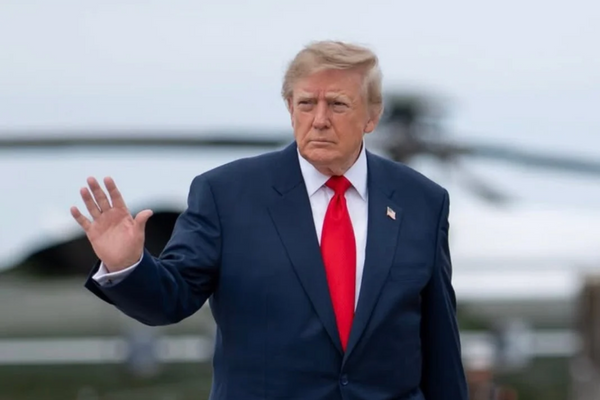
Donald Trump encouraged Iranians to keep protesting, saying help is on the way – the clearest signal yet the US president may be preparing for military action against Tehran.
Habibi is apprehensive about the possibility of US intervention, saying the crisis is something Iranians need to “sort themselves”.
But Hashemi says he supports anything that can tear down the regime.
“Anyone in the world who can help us, we appreciate it,” he says.