Just hours after stepping off a U.S. deportation flight, they were dead, trapped beneath the rubble of a government-run hotel that collapsed when Venezuela's twin earthquakes struck the country's Caribbean coast.
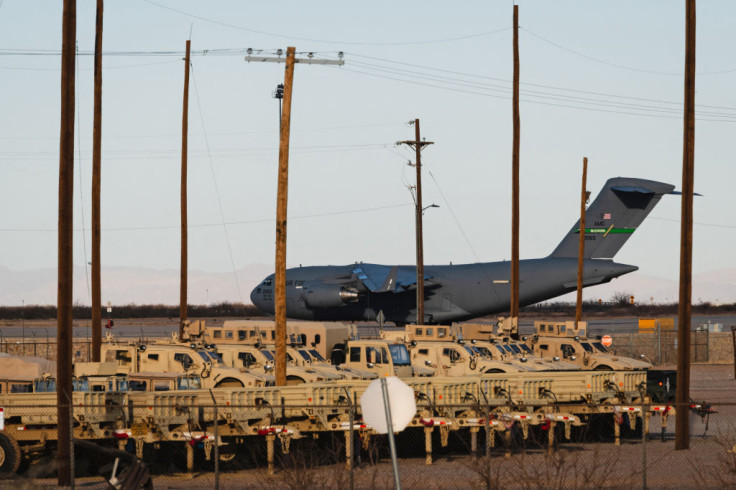
For many of the 146 Venezuelans aboard the ICE charter from Miami on June 24, returning home was supposed to mark the end of months, and for some years, of detention, uncertainty and separation from their families.

Instead, it became the beginning of one of the deadliest chapters of the disaster that has devastated Venezuela.
According to an investigation by El País, survivors say only 12 people made it out alive after the Hotel Santuario La Llanada in La Guaira, where deportees were being temporarily housed by authorities, collapsed during the back-to-back magnitude 7.2 and 7.5 earthquakes. The Venezuelan government has not released an official list of victims or survivors from the hotel, and the figures have not been independently confirmed.
The Associated Press, citing survivors and relatives, reported that more than 100 deportees remain missing after the collapse and that desperate families have struggled to obtain information from Venezuelan authorities.
The flight had landed at Simón Bolívar International Airport only hours before the earthquakes struck.
As part of Venezuela's repatriation process, the deportees, including women and children, were transferred to the Sebin-administered hotel near Maiquetía while officials completed immigration procedures before allowing them to reunite with relatives. They never had the chance.
"There were 135 of us repatriated, and only 12 survived. Everyone else died," one survivor said in a video reviewed and reported by El País. The newspaper noted that the testimony has circulated widely but that authorities have not published an official accounting of the victims.
Among those who escaped was Lisbeth Portillo, who told the Associated Press she crawled out from beneath the debris with a handful of other survivors before walking for hours through the devastated streets in search of help.
"I feel like I was born again," she said. "God gave me another opportunity."
Another survivor, identified by El País as Joan, spent about three hours trapped beneath the wreckage before managing to dig his way out. His wife later said a metal bunk bed prevented concrete slabs from crushing him completely, creating a pocket that saved his life. After escaping, he immediately began searching for other deportees buried beneath the ruins.
For relatives inside and outside Venezuela, the uncertainty has been agonizing.
Many have spent days calling hospitals, shelters and morgues while posting photographs of missing loved ones across social media. The lack of an official list has forced families to rely largely on survivor accounts and informal networks for information.
The tragedy unfolded amid renewed deportation cooperation between Washington and Caracas. After a 13-month suspension, deportation flights resumed in 2025 under agreements between the United States and Venezuela. The June 24 charter was one of those repatriation flights, carrying migrants who had survived months in ICE detention centers before being returned to the country many had fled.
Now, the deportation flight has become known among survivors and relatives as el vuelo de la desgracia — the flight of misfortune.
The collapse has also raised questions about why recently deported migrants were housed in a building that proved so vulnerable during one of the strongest earthquakes to strike Venezuela in a century. Human rights advocates have called for an independent investigation into the deaths and for authorities to publish the identities of everyone who was inside the hotel.
As rescue crews continue searching through collapsed buildings across La Guaira, the story of Flight 164 has become a symbol of the disaster's cruelest irony.
After surviving the dangers of migration, detention and deportation, dozens of Venezuelans died only hours after reaching the country they had been forced to return to. For many families, the journey home became the last journey their loved ones would ever make.