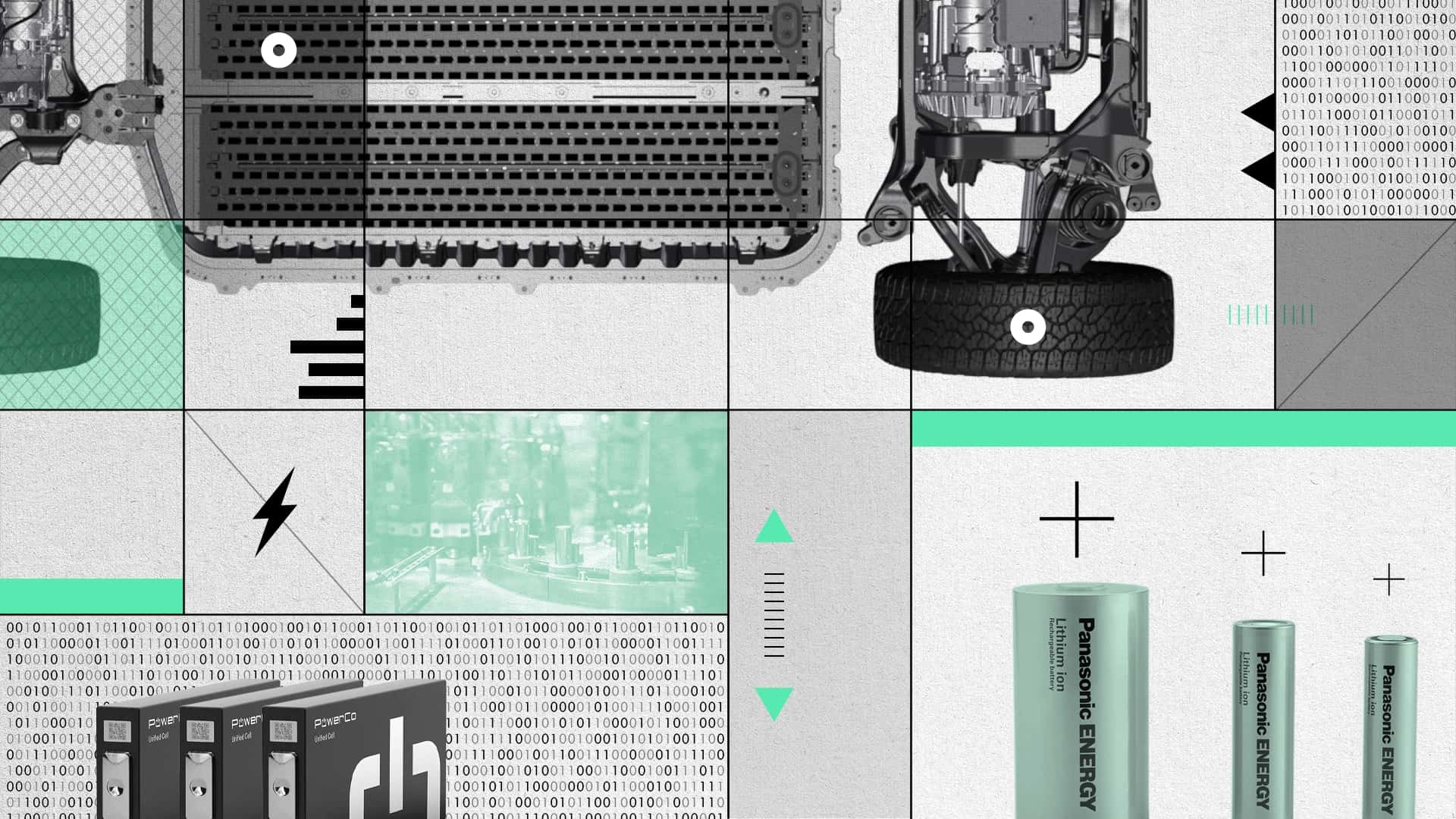
Batteries are the backbone of America’s technological ambitions. Electric vehicles, drones, aircraft, defense systems, grid storage, consumer electronics—the entire future runs on electrons stuffed into metal boxes. They are so crucial that they may ultimately determine whether the U.S. remains a global technology leader or cedes that advantage to China, which is racing ahead in electrification.
2025 was a massive year on the battery front, packed full of promising breakthroughs and disappointing setbacks. Below, we've compiled some of the biggest battery developments of the year. But first, let's explore how we got to this moment.
Batteries in 2025: A Recap
The Biden administration's Inflation Reduction Act of 2022 was a shot of adrenaline for battery projects. It injected hundreds of billions of dollars in subsidies into the space, helping sprout sprawling factories (or at least plans for them) nationwide. We all know what happened next.
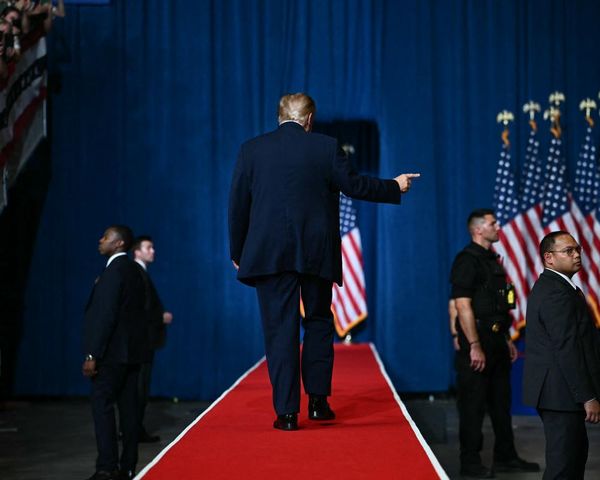
After President Trump returned to the White House in January, there was immediate whiplash on the policy front. Several battery plants either paused or shut down, jobs evaporated and automakers scrambled to redirect investment into stationary storage systems to soften the blow from the EV slowdown.
Still, 2025 proved that the the ship had already sailed. Projects announced in the Biden era that had come far along marched toward completion. EV prototypes with solid-state batteries hit the road as automakers continued to make bolder promises about the “holy grail” tech.
Meanwhile, today’s lithium-ion batteries continued to improve. Automakers released new or refreshed EVs with more efficient batteries delivering longer range at more competitive prices. We also saw lithium-iron phosphate (LFP) technology return to America, along with novel approaches such as the lithium-manganese-rich (LMR) battery chemistry to address affordability concerns.
The torrent of battery news in 2025 felt like five years compressed into one. And because this industry impacts everything from how we drive to how we power our homes and how we deal with natural disasters, the InsideEVs team covered it all obsessively, with scoops, technical deep dives, factory visits and interviews with industry leaders.
10 EV Battery Stories That Defined 2025
As the year winds down, here are the top battery stories this year from our editors, staff writers and contributors. If you couldn’t keep up with the battery news cycle this year, we don’t blame you. These 10 stories paint a solid picture of what happened in the battery world in 2025—and where it's going next.
How Ford And GM Are Plotting A Battery Breakup With China

General Motors and Ford are working on a breakthrough battery chemistry called lithium-manganese-rich (LMR), which aims to deliver driving range closer to current nickel-manganese-cobalt (NMC) packs at costs comparable to cheaper lithium-iron phosphate (LFP) batteries. I visited General Motors’ top-secret battery facilities in Warren, Michigan, this Spring to learn how these LMR batteries are made and what their implications are for the EV industry. I also spoke to engineers at Ford who described LMR tech as “LFP of the West” and the answer to “what’s next?”
Read the full story here.
Mercedes’ Solid-State Battery Prototype Comes Out Of The Lab, Onto The Road

This year, Western automakers inched closer to bringing their solid-state dreams to reality. These batteries promise longer range, faster charging times and improved thermal safety. A Mercedes-Benz EQS equipped with U.S.-based start-up Factorial’s semi-solid-state battery began road tests in Europe this year. BMW seems to have gone a step further, installing an all-solid-state (ASSB) pack from another U.S.-based start-up, Solid Power, in a prototype i7. While their roadworthiness is now being tested, expect more such announcements in the coming months as the technology continues to mature.
Read the full story here.
Ford’s Affordable EV Comeback Starts Here. But Not Without Controversy

LFP batteries are central to making EVs more affordable, as they’re cheaper to produce and don’t use expensive nickel or cobalt. But most LFP batteries today are made in China. Ford is working hard to change that. The company is building its $3 billion BlueOval Battery Park Michigan, where it will make LFP batteries for its future EVs, licensing CATL’s tech. Patrick George visited the plant in June and reported that reaching this stage for Ford wasn’t without difficulties or controversy.
Read the full story here.
GM Is Bringing LFP Battery Production To America

GM had a huge year in the battery department. Not only did it surpass Tesla to become America’s largest battery cell manufacturer, but it’s also planning to bring LFP battery production stateside. The automakers’ two main battery suppliers, LG Energy Solution and Samsung SDI, will retrofit part of their U.S. plants, originally designed for NMC batteries, to assemble LFP packs. Both the Chevy Bolt EV and the Silverado EV have been confirmed to get LFP packs, but local production won’t begin until the end of 2027. Until then, GM will reportedly import LFP batteries from China’s CATL.
Read the full story here.
BMW Gen6 Batteries May Foreshadow Class-Leading EV

Lithium-ion batteries are advancing so rapidly that one wonders, do we even need chemistries such as solid-state? BMW’s Gen6 batteries will offer up to 620 miles of range (depending on the vehicle type) and 30% faster charging. This pattern of improved batteries was common across the industry this year. Toyota’s 2026 EVs feature batteries that are better than ever. From 2027 onwards, Hyundai’s batteries will be 30% cheaper and 15% more energy dense. And Tesla is working with Panasonic to develop anode-free cells that could boost the Model Y’s range by 90 miles.
Read the full story here.
We Built Too Many EV Battery Factories. Here’s What Happens Next

Battery plants worth billions were canceled this year as the Trump administration rolled back clean energy programs and tax credits. Still, North America and the rest of the world are staring down a battery manufacturing glut. China's battery production capacity outpaces demand by five times. Europe makes double the number of batteries than its car buyers need. And North America’s capacity-to-demand ratio is 1.9. Mack Hogan explained in his story how battery companies reached this stage and what the future might look like.
Read the full story here.
The Facts Are In: You Shouldn’t Worry About EV Battery Replacements

Battery replacements may have been common on the first-generation Nissan Leaf or some model years of the Chevy Bolt which had defective packs. But it’s very rare for modern batteries to randomly fail. Experts say there’s really nothing to worry about these days. Tim Levin outlined in his story that the latest EVs have battery replacement rates of just 0.3% and are basically worry-free for at least 15 years on average.
Read the full story here.
‘Vital To Our Future’: How Lithium-Ion Batteries Are Saving The Grid

Commercial electricity was invented more than a century ago. Yet the process of managing and distribution remains fragile, as heat waves and natural disasters keep knocking the grid off. States and utilities have been using battery energy storage systems as backup for years, but this year more automakers joined the fray to offset lower EV battery demand with batteries for energy storage. BESS allows companies to store and deploy renewable energy more efficiently, so that our lights remain on when the sun doesn’t shine or the wind doesn’t blow. I spoke with experts to understand how the economics and engineering of BESS batteries differ from those of EVs.
Read the full story here.
China’s 100-Second EV Battery Swaps Are Here

Nio’s battery-swapping stations have been around in China for a while, but battery giant CATL has promised to take battery swapping to the next level. The company’s swappable “Choco-SEB” batteries—named after their chocolate bar design—can be swapped in just 100 seconds. So in a little over a minute, you can be in and out of the swapping station. And no, this tech isn’t 10 years away. It’s already launched in China and is now expanding.
Read the full story here.
CATL’s Sodium-Ion EV Battery Loves The Cold

The same core element that makes your lunch taste better, i.e., salt, is now also powering EVs in China. Research suggests that sodium is 1,000 times more abundant than lithium, but batteries made out of it don’t enjoy the same supply chain advantages and scalability as lithium-ion packs. But seeing potential in the technology for certain applications, CATL created its Naxtra sodium-ion subbrand in Spring. The company has started making high- and low-voltage sodium-ion battery packs in China, which can even operate at temperatures as low as -40 degrees Fahrenheit.
Read the full story here.
This year was action-packed. We don’t expect the new year to be any different. So stay tuned to InsideEVs and let us know in the comments if we missed any major battery development this year.
Have a tip? Contact the author: suvrat.kothari@insideevs.com