Nu metal was the biggest mainstream takeover in heavy metal history, but by the early 2000s, the genre’s shine was beginning to fade. Limp Bizkit lost Wes Borland and released the disastrous Results May Vary; Korn slid down the charts with Take A Look In The Mirror before also finding themselves down a beloved guitarist; and Deftones’ self-titled album was a commercial disappointment that cost $2.5 million to make. The writing was on the wall and something needed to be done.
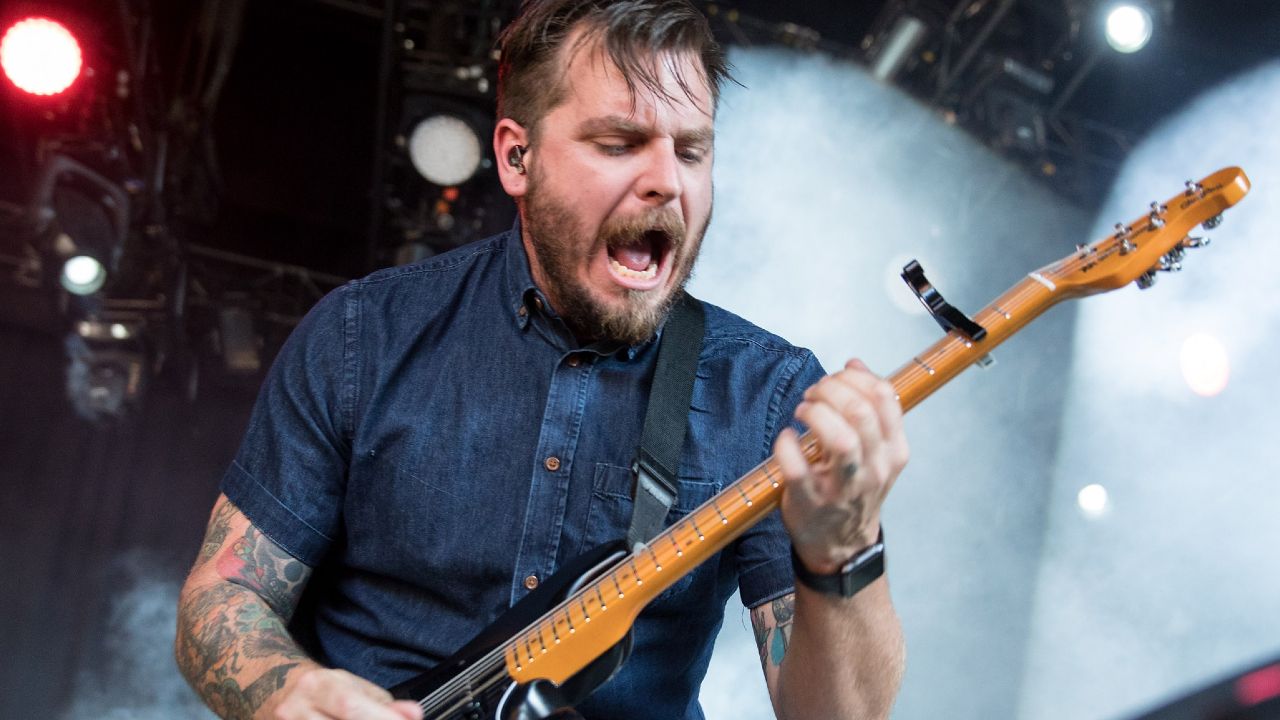
In response, major record labels plundered the post-hardcore underground in search of the next big thing. Between 2001 and 2004, punk- and emo-influenced bands with almost nothing in common – My Chemical Romance, AFI, Thrice, Cave In, Glassjaw, Thursday, Poison The Well, Coheed And Cambria – were hurriedly plucked from the underground circuit and had commercial pressures thrust upon them. Only a small handful would become the cash cows that the suits hoped for, with the rest tumbling back to their underground scenes or even flat-out breaking up.