
Get all your news in one place.
100's of premium titles.
One app.
Start reading
LiveScience
LiveScience
Mark Thompson

There's a 90% chance we'll see a black hole explode within a decade, physicists say

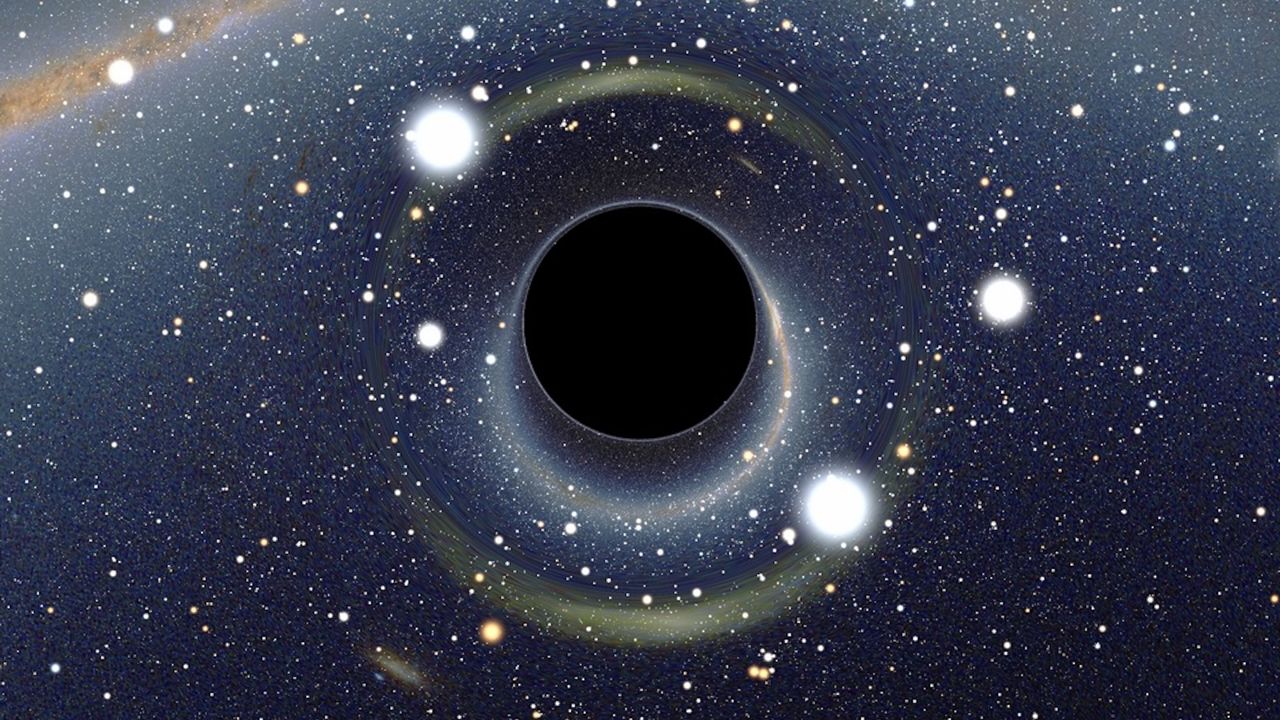
An illustration of a black hole in front of starry outer space.

Stellar black holes form from the collapse of massive stars at the end of their lives, typically weighing 3 to 50 times the mass of the sun. When a star runs out of fuel, it explodes in a supernova, leaving behind a region so dense that nothing can escape, not even light.

Primordial black holes, by contrast, are theoretical objects that could have formed less than a second after the Big Bang from extremely dense regions of the early universe. Unlike stellar black holes, they could be much lighter and are ancient relics from when the universe contained mostly hydrogen and helium.

Sign up to read this article
Read news from 100's of titles, curated specifically for you.
Already a member? Sign in here
Related Stories
Top stories on inkl right now
One subscription that gives you access to news from hundreds of sites
Already a member? Sign in here
Our Picks
Fourteen days free
Download the app
One app. One membership.
100+ trusted global sources.







