
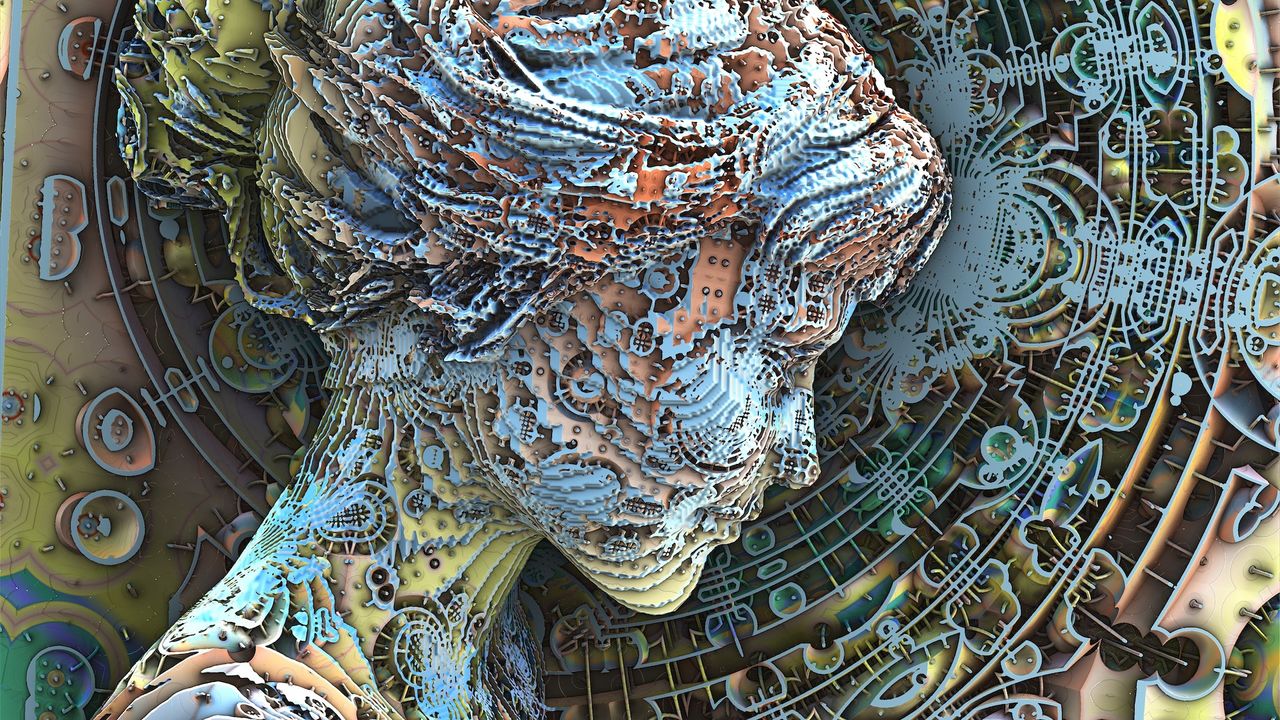
Scientists have suggested that when artificial intelligence (AI) goes rogue and starts to act in ways counter to its intended purpose, it exhibits behaviors that resemble psychopathologies in humans. That's why they have created a new taxonomy of 32 AI dysfunctions so people in a wide variety of fields can understand the risks of building and deploying AI.
In new research, the scientists set out to categorize the risks of AI in straying from its intended path, drawing analogies with human psychology. The result is "Psychopathia Machinalis" — a framework designed to illuminate the pathologies of AI, as well as how we can counter them. These dysfunctions range from hallucinating answers to a complete misalignment with human values and aims.