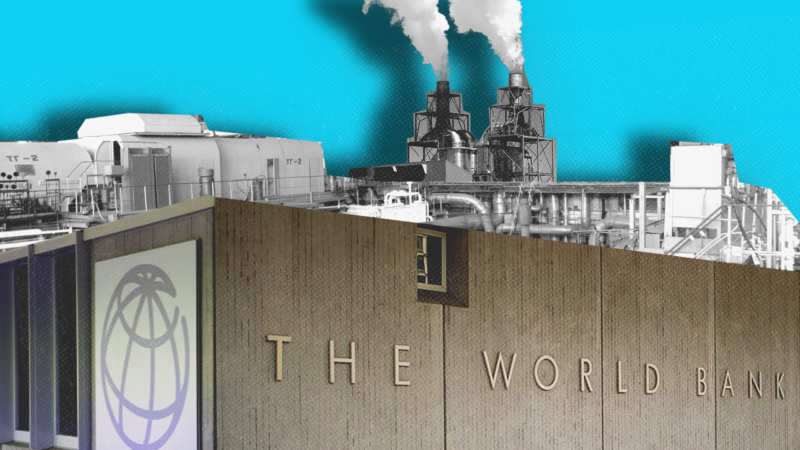
The World Bank recently published a 276-page report supporting the idea that industrial policy belongs "in the national policy toolkit of all countries." This is a significant reversal for an institution that spent decades pushing developing nations toward fiscal discipline, open trade, and market liberalization. When the World Bank seems more interested in engaging with right- and left-wing populism than in promoting good economics, it tells you a lot about the era in which we live.
Industrial policy refers to government officials channeling resources to particular industries that the market would not. Arguments like national security or protecting "strategic" industries from competitors are often used to justify the policy. Whatever one thinks of these excuses, industrial policy is funded by taxpayers when the chosen instrument is subsidies, funded by consumers when the tool is tariffs, and always funded by the other domestic firms quietly crowded out as capital flows toward their politically favored competitors.