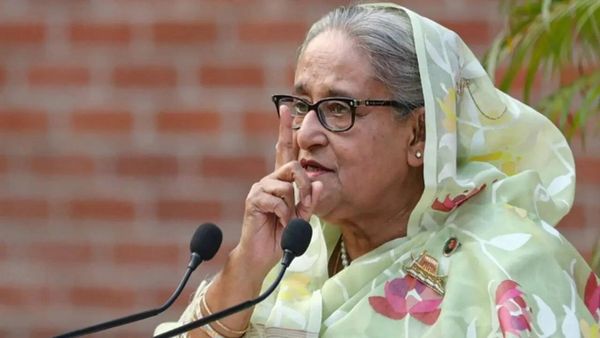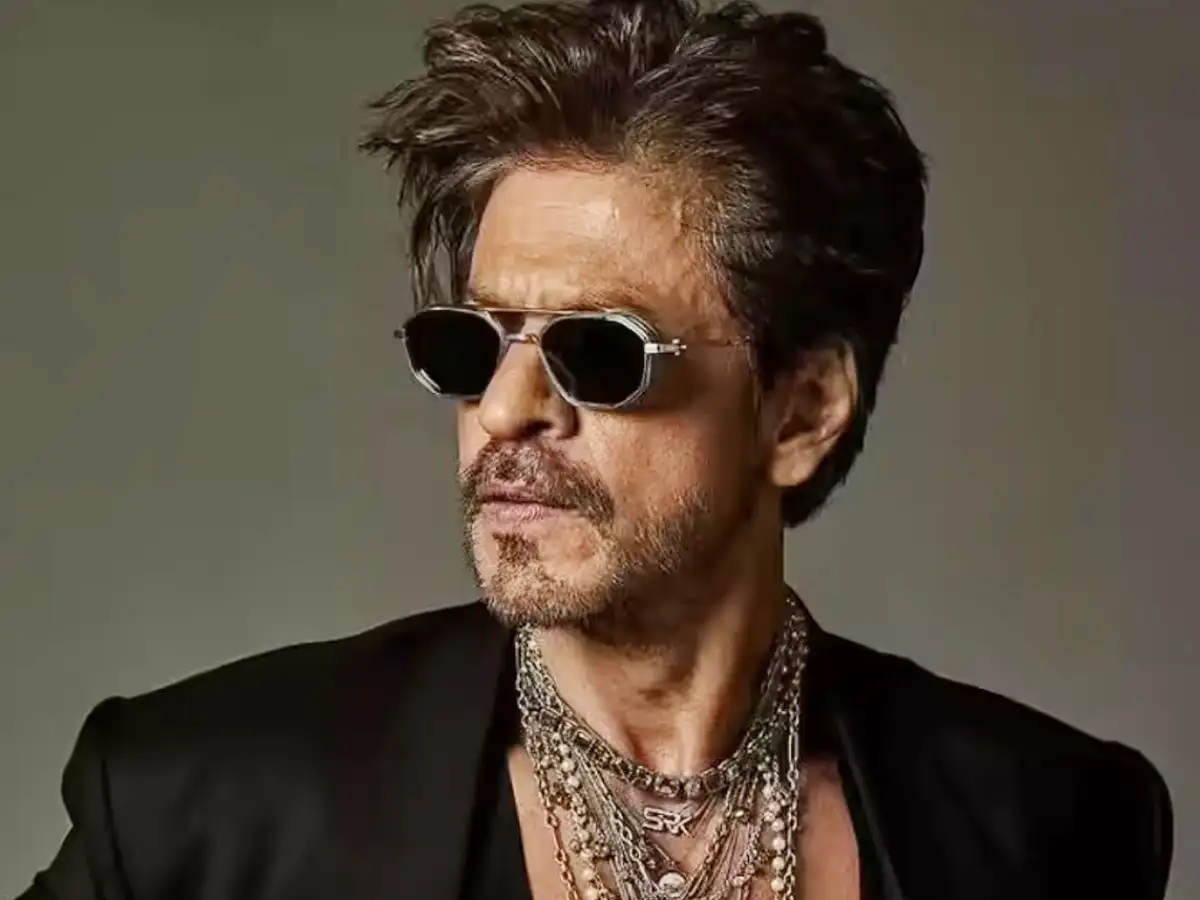
Picture this. A Bollywood star disembarks from her car at the airport. She’s wearing an oversized shirt and baggy pants. Or mom jeans, a vest that looks suspiciously like my dad’s banian but costs more than my rent, and a cardigan that’s slipping just the right degree off a perfectly toned shoulder. She balances a giant bag in the crook of her arm. Her face is inscrutable beneath dark sunglasses. She could be going to a flea market in Goa or jetting off for the Paris Fashion Week. No one can tell.
Before she’s even cleared security, her airport look has whizzed manically across the internet and been discussed, dissected and declared a hit or a miss by hawk-eyed fashion commentators. By the time she reaches the tarmac, her outfit has been reverse-searched, price-tagged and crammed into multiple “get the look” carousels. None of this is scheduled. There’s no social media brief, or marketing campaign, or inspired collab to credit for this moment. Yet, it is potent enough to catapult a struggling brand into a stratosphere of sales. Does this mean the fashion economy runs on fragile, photogenic coincidences?

Anyone who has spent any length of time in the business of fashion can tell you this: It is rigorous orchestration presented as spontaneity. Our obsession with the “airport look” exists because we intuitively trust the outfit nobody paid for far more than the one that gets worn because eye-watering invoices exchanged hands.
STYLE IS SUBSTANCE
An audience that has been sold to, tagged and targeted for almost two decades has developed a sharp, unforgiving instinct for the gap between a look and a lie. It has led to a structural shift in the business. Personal style is the hot, new currency in circulation.
Fashion has always generated serious money. But now the ownership of the asset is shared between the designer and the person wearing it. In an age of constant content, having a distinct, dependable and honest style is a solid business strategy—and the only way to survive the brutality of algorithmic vagaries.
“Celebrity fashion has completely changed with social media. Earlier celebrity appearances meant a few red carpet images,” says stylist Anaita Shroff Adajania. “Today, there is the pressure for constant visibility. And an appearance isn’t a moment, it is content—reels, stories, reposts, engagement.”