Get all your news in one place.
100's of premium titles.
One app.
Start reading
The Conversation
The Conversation
Brian O'Neill, Professor of Practice, International Affairs, Georgia Institute of Technology

The war in Iran – again – points to the strategic shortcomings of assassination as policy of foreign affairs

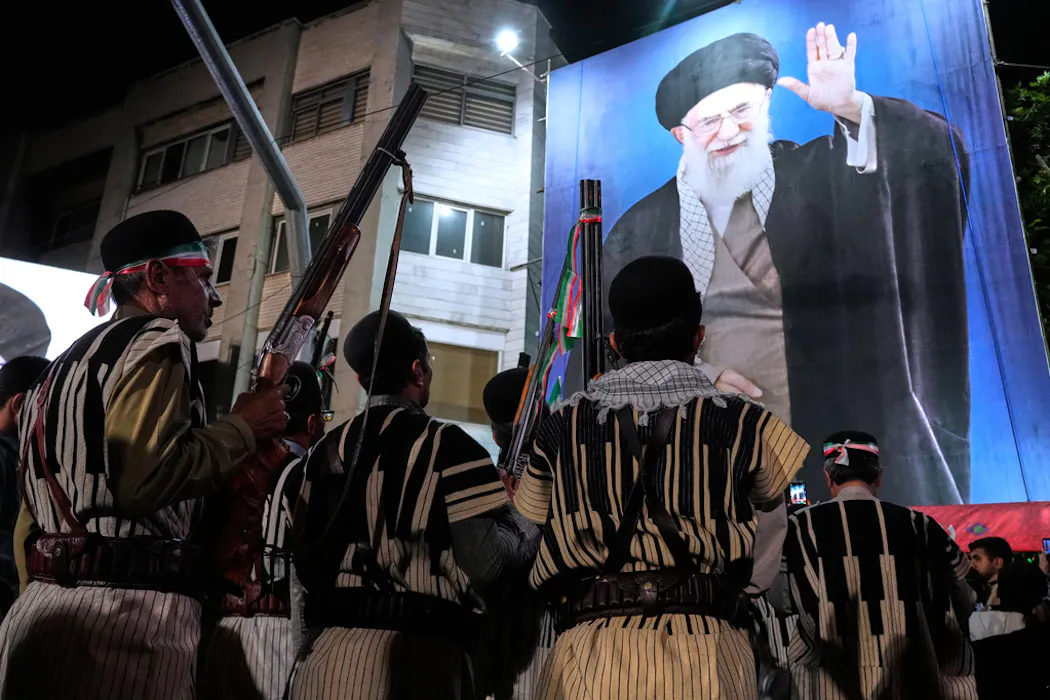
Iranians hold their guns during a pro-government gathering near the residence where former Iranian Supreme Leader Ayatollah Ali Khamenei was killed. AP Photo/Vahid Salemi

The coordinated U.S.-Israeli strikes at the outset of the war in Iran killed Supreme Leader Ali Khamenei, along with other key regime figures. In doing so, the United States and Israel crossed what The New York Times and others described as “a new Rubicon”: the deliberate, overt killing of a head of state.

President Donald Trump and Israeli Prime Minister Benjamin Netanyahu framed their war not simply as retaliation or coercion, but as an opening for political collapse. Remove enough of the leadership, the logic ran, and the structure beneath it either breaks apart or becomes vulnerable enough for a public uprising to finish the job.

Sign up to read this article
Read news from 100's of titles, curated specifically for you.
Already a member? Sign in here
Related Stories
Top stories on inkl right now
One subscription that gives you access to news from hundreds of sites
Already a member? Sign in here
Our Picks
Fourteen days free
Download the app
One app. One membership.
100+ trusted global sources.