
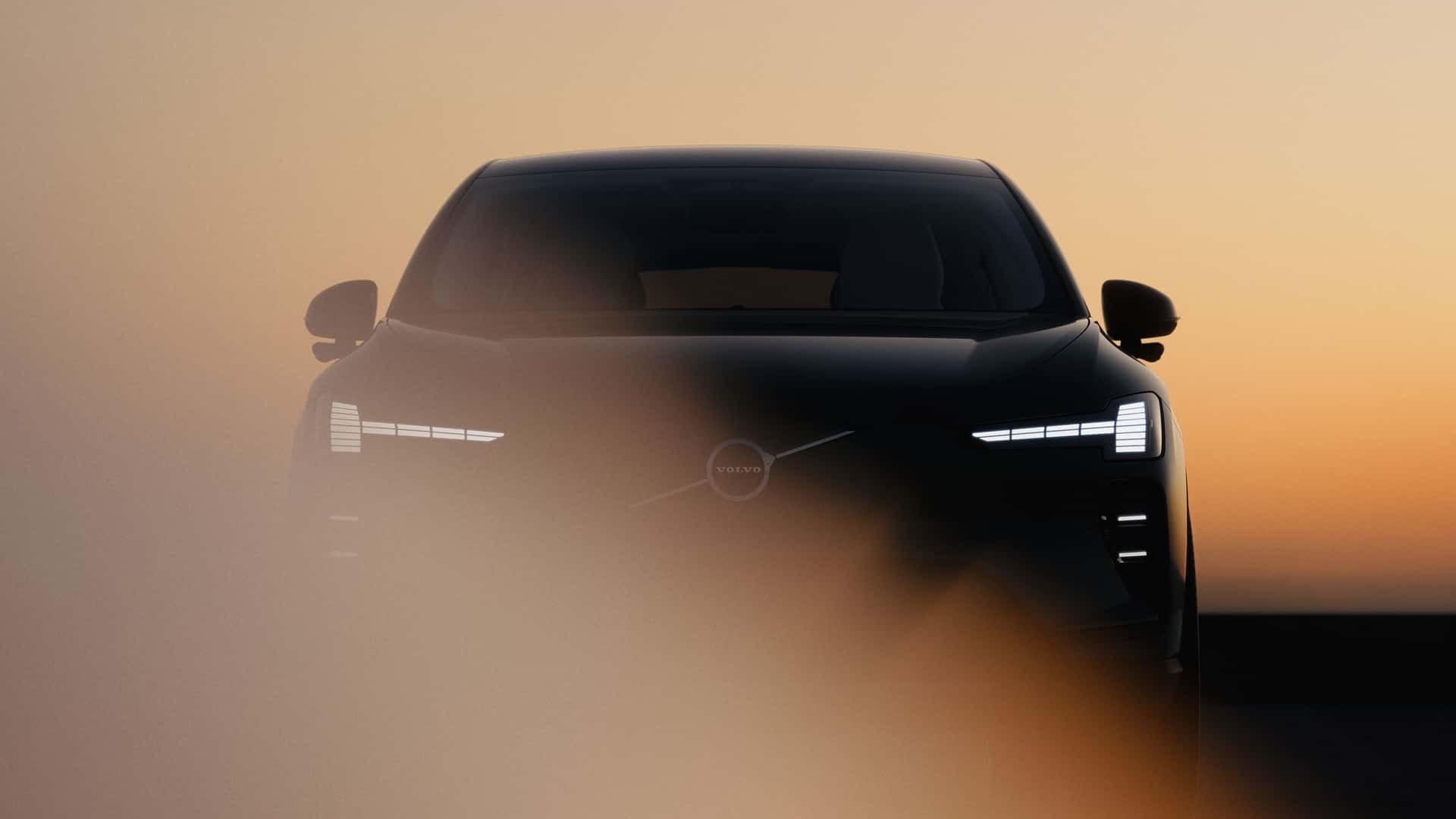
- The Volvo EX60 is the Swedish automaker’s newest and probably most important new car.
- It’s an electric crossover that’s set to battle with the Tesla Model Y, BMW iX3 and Mercedes-Benz GLC EV.
- The EX60 sits on Volvo’s most advanced architecture to date, SPA3, and it promises 400 miles of range on the EPA cycle.

Volvo wants to make things right after the messy launches of the EX90 and EX30 EVs, which were riddled with software gremlins and unfinished features that frustrated owners. Now, the Swedish automaker that used to be a synonym for reliability and dependability is giving it all in a new push to show the world that it’s a force to be reckoned with in the electric car space.
The Volvo EX60 is the company’s newest and arguably the most important model in the automaker’s lineup since the launch of the second-generation XC60, which has been the marque’s de facto breadwinner ever since it started rolling off the assembly line in 2017.

Just like the XC60, the EX60 wants to be a jack of all trades. In the EV world, this boils down to driving range and charging speeds first and foremost, and Volvo has given it all this time. The new EX60, which will be revealed on January 21, boasts a 400-mile estimated range, which is not yet EPA-rated, but the company said it used the EPA procedure to come up with this figure. European customers should expect a WLTP range of 810 kilometers.
To make things even more interesting, these range estimates apply to the all-wheel drive variant, which is mostly unheard of, and Volvo claims the EX60 is the best in its class when it comes to driving distances. By comparison, the longest-range Tesla Model Y, the Premium Rear-Wheel Drive, is rated for 357 miles. Meanwhile, the all-wheel drive version of the BMW iX3 and rear-wheel drive variant of the Mercedes-Benz GLC EV are expected to deliver around 400 miles on the EPA cycle.
Volvo said the EX60 is the longest-range EV it has ever made, and it all comes down to the manufacturing advancements that have made their way into the assembly line. The Swedish carmaker is adopting gigacasting technology that we’ve come to expect from names like Tesla and BYD, while the SPA3 architecture that underpins the electric crossover is rated at 800 volts.

This allows the EX60 to add up to 168 miles of range in just 10 minutes when using a 400-kilowatt charger, while 100 miles of range can be added “in just a few minutes.” Full details are yet to be revealed, but at first glance, it looks very promising.
Volvo said it developed the electric motors in-house, which allowed it to shave weight and optimize efficiency. The same goes for the car’s body, which uses lightweight materials.
The automaker didn’t say how big the EX60’s battery is, but it did mention that all EX60 customers will benefit from a 10-year warranty on the pack. That said, I expect multiple battery capacities to be available, including at least one lithium iron phosphate (LFP) version, a chemistry that’s known for its resiliency, low degradation rate and affordability, but one that doesn’t shine when it comes to energy density.
We’ll know more about the Volvo EX60 when it debuts later this month, but Volvo has cleverly hidden a neat detail in the few photos it has provided alongside the battery info. The company didn’t explicitly say it, but the EX60 will likely be a seven-seater, judging from the trunk photo that shows two folding seats and a deep storage area similar to the Tesla Model Y.
If true, it would make the EX60 one of the very few three-row compact crossover EVs in the U.S., with limited competition from the Mercedes-Benz GLB and precisely zero riposte from Tesla, seeing how the Model Y has only been available as a five-seater for the past few years stateside.