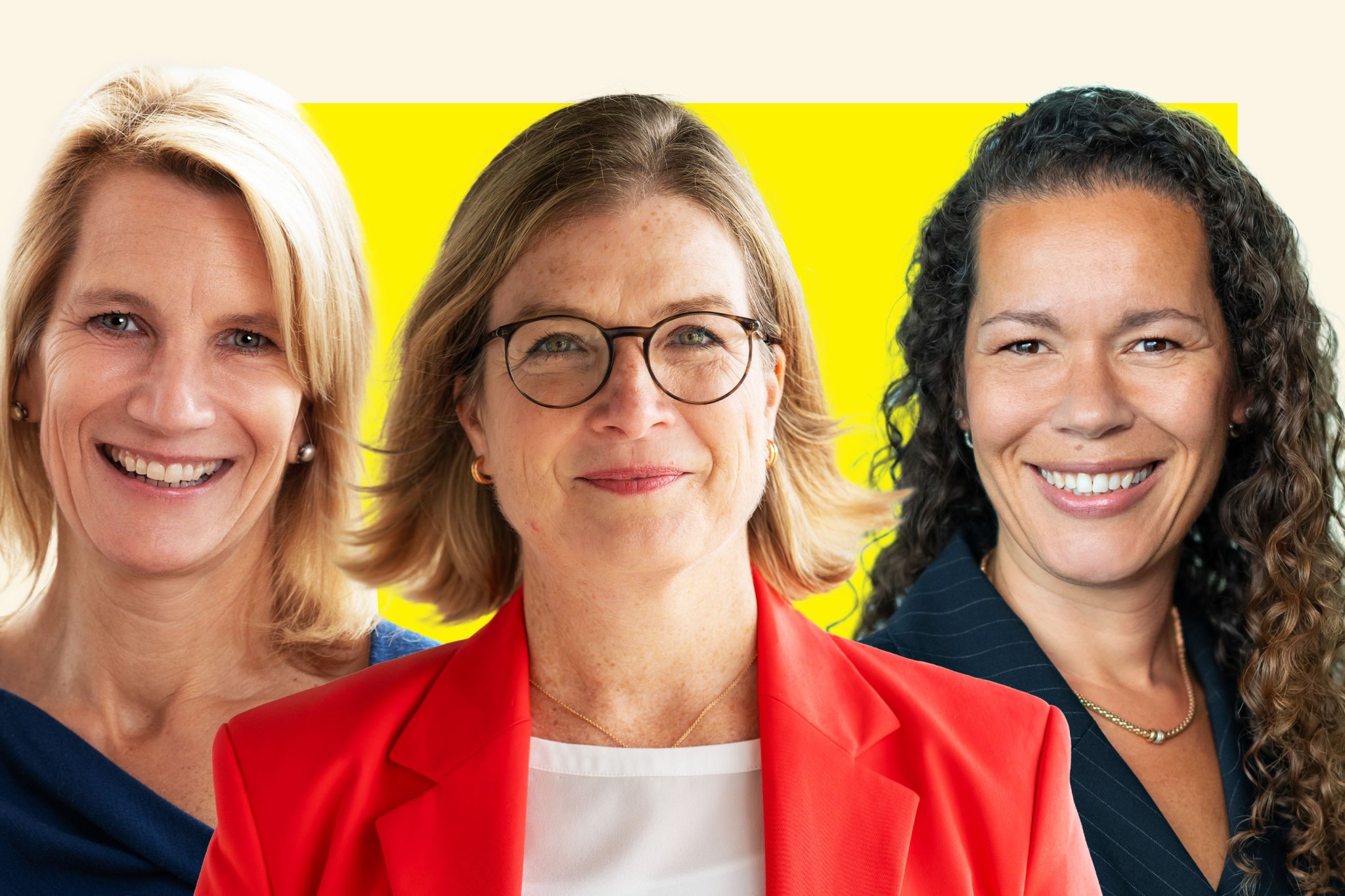
Around the boardroom table, Carmen-Maja Rex’s colleagues slip easily between French and English. When the Airbus CHRO takes her seat, the discussion naturally settles into English without anyone flagging the switch. For a company founded in France, built partly in Germany, assembling aircraft across Europe and flying them globally, English has quietly become the default working language. The same takes place just a few hundred kilometers away at Sodexo’s headquarters just outside of Paris. HR VP for Global Talent, Heather Jacobs is American, and most of her conversations in the boardroom are in English, despite the company having roots in the French city of Marseille.
English is now the most widely spoken language in history, with around 1.5 billion speakers worldwide, and fluency in it has quietly become an unwritten yet essential requirement for many senior roles at multinationals. This expectation can disadvantage those who are not native English speakers, and now sits against a wider political backdrop in which leaders such as Donald Trump have designated English as the U.S.’s official language, promoting warnings from scholars about how easily the ‘speak English’ rhetoric can slide into exclusion.