As we hurtle into the frantic final weeks before Christmas, there’s much to be said for the appeal of convenience. If you’re buying your dad the gift of a new dressing gown, it’s hard to resist the sweet, sweet ease of clicking a few buttons and waiting for a tracking link to arrive. But there are times when old-fashioned retail, the kind that involves you actually putting on shoes, simply cannot be bettered, however inconvenient it might seem.
Furnishing your Christmas cheeseboard is, I would argue, firmly in that category. If you’re lucky enough to live within reach of a cheesemonger's – and particularly Borough Market, with the finest concentration of cheese sellers anywhere in the country – the effort involved in making that trip will be rewarded many times over, in both quality of food and richness of experience. Here’s why.
Christmas demands good cheese
This is the fundamental point. Worry not what you jam into a mayo-filled sandwich or melt onto a toastie and douse in brown sauce. But at Christmas, when the opportunity arises to savour cheeses naked and unadorned (the cheese, that is, not you), quality really does tell.
The best cheese “has been cared for, nurtured, right all along the process, by the farmers, the makers, the maturers, and finally the mongers,” says Michael Finnerty, a cheesemonger at Borough Market’s Mons stand and author of The Cheese Cure: How Comté and Camembert Fed My Soul. “The experience you’ll have is completely different from eating an industrially produced, plastic-wrapped cheese that sits in a supermarket chiller for weeks on end.”
Each cheese is unique
Peer into that supermarket chiller and you’ll see at least half a dozen cheddars. And yet despite the illusion of choice, any variance will be minimal. One of them might be milder, one a bit stronger, but that’s about it.
Same with the Stilton, same with the Brie. That’s because the industrial methods used to manufacture cheese on a large scale are engineered to eradicate complexity. “The emphasis is on speed and consistency – adding more starter cultures, flattening out the flavour, removing the rinds. Who wants to deal with a rind when you could have a completely perfect vac-packed cube?” says Bronwen Percival, technical director at Neal’s Yard Dairy.
The small-scale makers and maturers who supply Neal’s Yard Dairy, Mons and Borough Market’s other cheesemongers take a very different approach – slower, more hands-on, embracing natural processes rather than neutralising them. Each cheese is a singular reflection of the people and environment that shaped its creation.
There is nothing, says Bronwen, quite like a raw-milk cheese from “a farm with lots of different plants and herbs woven into the pastures and a rare breed cow that gets all its energy from this highly biodiverse environment. When you taste that cheese, it’s transmitting this incredible raw material in its purest, magnified form.”
Every batch is different
The uniqueness of good cheese extends to the level of individual batches. Because its slow development is informed by everything from the vagaries of the weather to the mood of the maker, a day’s batch might end up differing quite markedly from one produced the previous week. Occasionally, some special magic will coalesce. As a result, the best question you can ask at a cheese shop is: “What’s good today?” There’ll always be something the cheesemaker tasted this morning that completely blew their mind. My advice: go for that.
You’ll be buying it at its best
It’s important that the cheese you’re buying is at an optimal level of maturity. Hard cheeses are pretty stable, and a good cheesemonger will only sell them when they’re at their peak. But softer cheeses will continue to ripen and evolve. A monger can ensure that the ones you go home with are on track to reach your preferred state on the day you tuck in, whether that’s a soft, pillowy texture or, in Michael’s words, “a full onslaught of creamy gooeyness”.
Cheesemongers love to share
Getting your Christmas selection right will probably involve a bit of talking, but this very un-21st-century personal interaction is something to be cherished, not feared. No one becomes a cheesemonger unless they genuinely love cheese and want to share that love with everyone.
“Some people are afraid to cross the threshold because they don’t know what to say,” says Michael. “My message would be, just push yourself through and start a conversation.” You don’t need any deep knowledge or specialist vocabulary. Just start with something as basic as, “I want five cheeses for eight people,” and the cheesemonger will take it from there.
They’ll encourage you to taste
The process of choosing is aided by the fact that most cheesemongers will encourage you to taste the cheese. They’ll usually taste along with you and describe their impressions, giving you the chance to sound incredibly knowledgeable when you repeat their words to your guests. Try sampling a pack of cheese in a supermarket aisle and see what happens.
They’ll help you push the boundaries
Buying a selection of cheeses gives you the chance to throw in the odd flavour grenade – the kind of divisive cheese that impresses and appals in equal measure. Every good monger will have a few of those up their sleeve. Michael suggests Perail from the Aveyron region of France (“like French-kissing a sheep”) or a rind-washed Epoisses (“notes of Marmite and bacon”). No risk-averse supermarket would consider stocking anything quite so mad.
Good cheese frees up valuable fridge space
In the days before Christmas, fridges groan under the weight of birds and booze. When that capacity crisis starts to hit, good cheese is your friend. Artisan cheese doesn’t just survive outside the fridge, it thrives. Chilling tightens up the texture and flattens out the flavour. “It kills the entire experience – all the subtlety and complexity disappears,” says Bronwen. “If you have to choose one item to leave out that’s going to be perfectly safe at a cool room temperature and will actually improve as a result, this is it.”
Small-scale cheesemakers need our support
Visiting a cheesemonger provides a welcome boost to small-scale, specialist traders. It also supports the cheesemakers – just about the only people in the world more hopelessly passionate than those who sell their wares. For some makers, a good festive season can be the difference between surviving another year and throwing in the towel.
This is a tough time to be an artisan food producer, so our choices have real power, and when it comes to British cheese, our cultural heritage is at stake. Currently, there’s only one cheesemaker in the UK still producing traditional raw-milk Cheshire and only a handful making Lancashire and Wensleydale using time-worn methods. Historic cheeses that were once ubiquitous are now, says Bronwen, like “pandas”, living on the edge of extinction. Their names will live on in the factory-made versions, but each of those is a sad simulacrum, like an AI take on a Bob Dylan song.
The last word goes to Michael. “With a trip to a cheesemonger, you’re supporting passion and craftsmanship,” he says. “And that has to be good.”
Borough Market’s annual cheese-themed shopping extravaganza, An Evening of Cheese, returns on Wednesday 10th December, 6-9pm, and is free to attend. Find out more here
The perfect Christmas cheese board

Recipe by: Ed Smith for Borough Market
When discussing cheeseboard strategy, I normally tend to argue (strongly and perhaps a little patronisingly) that the correct approach, actually, is to go big on just one or two things – personally, I’m partial to a quarter of Stichelton and a significant wedge of aged Comté.
But let’s be honest, it’s impossible to limit yourself to two types of cheese when you arrive at a good cheesemonger's, let alone Borough Market, where there are over 20 different traders from whom you can buy quality, artisan-produced cheese. Still, in pursuit of a balanced board, I do think it’s worth bearing in mind a few guidelines.
If two cheeses might be too few, then I think that any more than seven is just too many. Plumping for five, six or seven cheeses allows you to cover the steady crowd-pleasers, while also exploring a few more leftfield choices. If you lose all self-control, I wonder whether people will really appreciate the effort, or have the chance to appreciate all the cheeses at their peak.
You could, of course, theme your board by country, though I personally think it’s good to have an open-border policy. At the market, you’ll find world-class cheeses from Britain, Ireland, France, Italy, Switzerland, Spain and beyond.
And so, for a varied and balanced selection, I would suggest that the absolute essentials are:
And then add two or three from the following:
And don’t forget the condiments. For me, the trio comprising an oatcake-style biscuit, a plain cracker and then a wildcard of your choice provides the right balance of intrigue and dependability. The market isn’t short of fresh grapes and figs, dried fruits, pickles, jellies and pastes such as damson cheese and membrillo. One or two of those will cut through nicely.
Here is my Borough Market cheese board for Christmas:
Pitchfork Cheddar from Trethowan Brothers
An unpasteurised farmhouse Cheddar from the Somerset-based makers of Gorwydd Caerphilly. Not overly mature or feisty (it’s aged for a touch over 11 months), but it’s characterful, grassy and earthy.
Ruyge Weyde Gouda from Borough Cheese Company
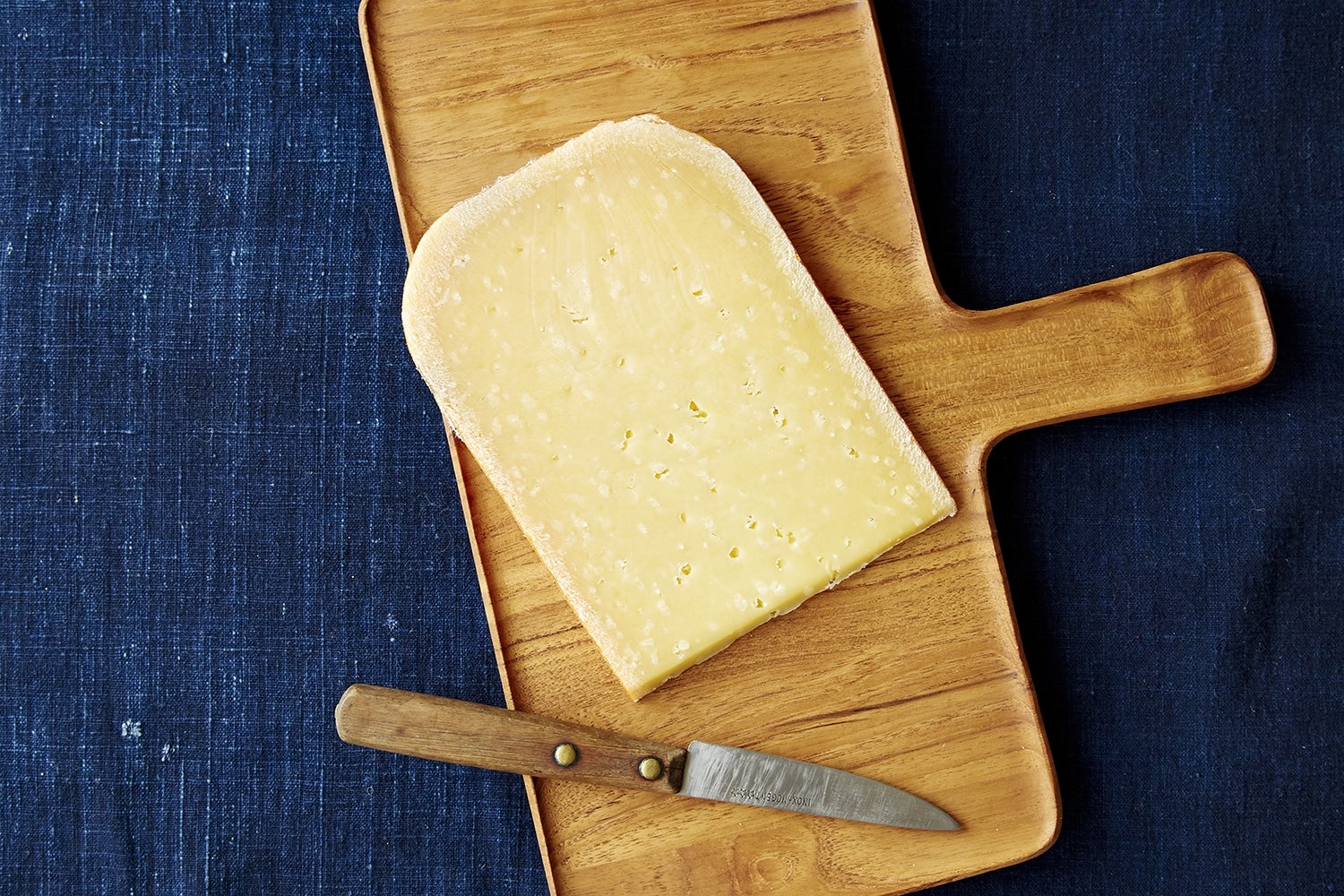
An 18-month-aged Gouda with a really amazing range of flavours (from grassy meadow through to banoffee) and an umami crystal crunch redolent of a punchy Parmesan.
Bath Blue from Bath Soft Cheese Co
A mellow, creamy, blue-veined cheese, made at Park Farm from the organic milk of its own herd of cows. Powerful flavour without being gum-receding.
Young Pecorino from Bianca Mora
Pecorino comes in many guises, and Bianca Mora’s aged variety is exceptional, but I think this young, pale, salty, smooth version balances my board really nicely. The flavour of sheep’s milk is really evident.
Saint-Félicien from Mons Cheesemongers
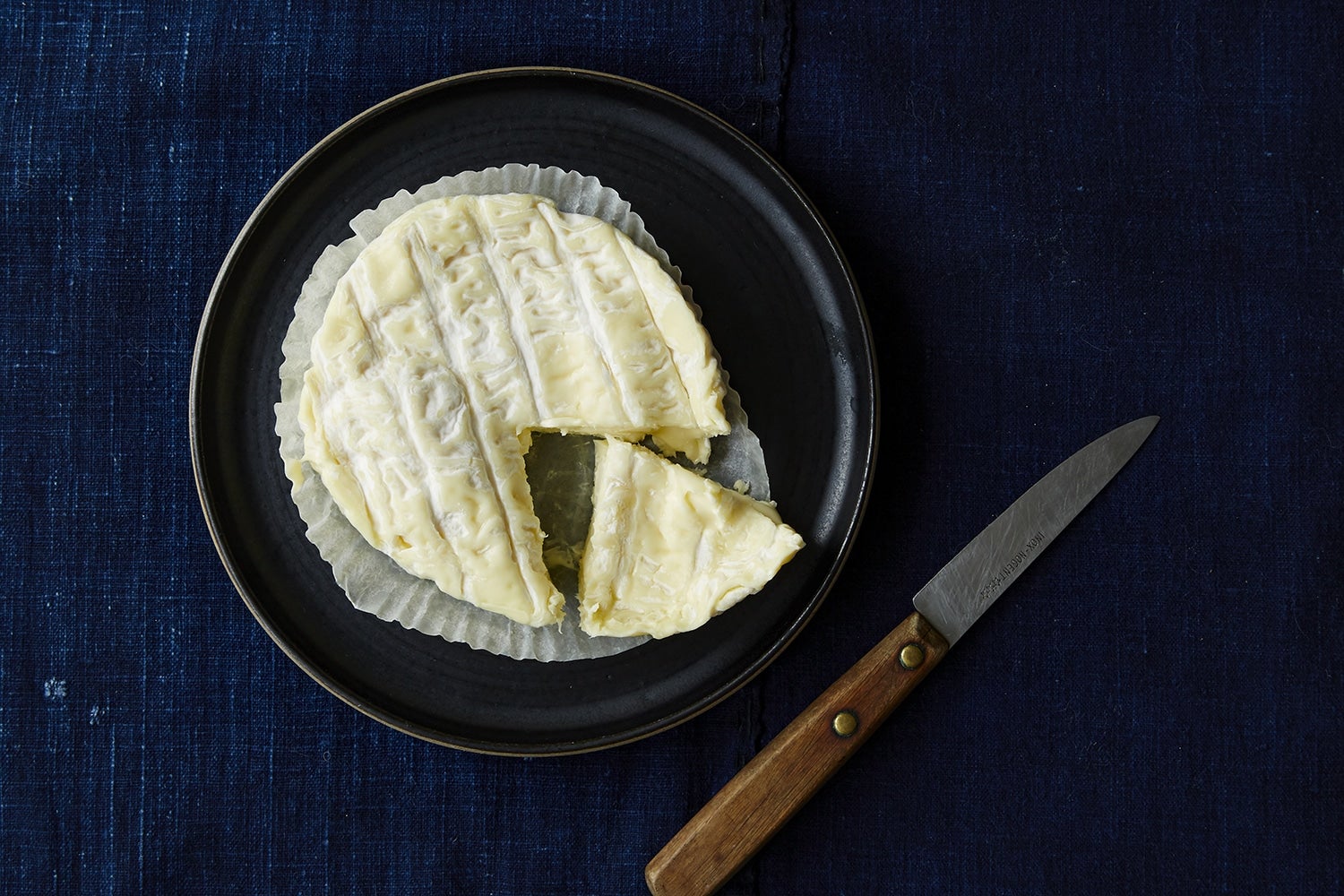
This oozy-soft white rind cheese from the Rhône-Alpes region of France is as creamy and luscious as you would expect from something based on double cream. There’s a little tang to it, too. A beauty.
Dorstone from Neal’s Yard Dairy
A light and fluffy cylinder of goat’s cheese with a bright white paste, displaying citrus acidity. This will contrast nicely with the likes of Bath Blue and Pitchfork (and indeed the turkey, goose or beef from earlier on).
Basajo from L’Ubriaco Drunk Cheese
Here’s my wild card: a sharp soft blue reminiscent of a Roquefort, but this time it’s had a swim in Passito di Pantelleria, an Italian dessert wine, so there’s a sweet and slightly boozy edge too. You don’t need much per biscuit, and yet it’s remarkably moreish!
Cauliflower cheese with Fessli and Gruyère
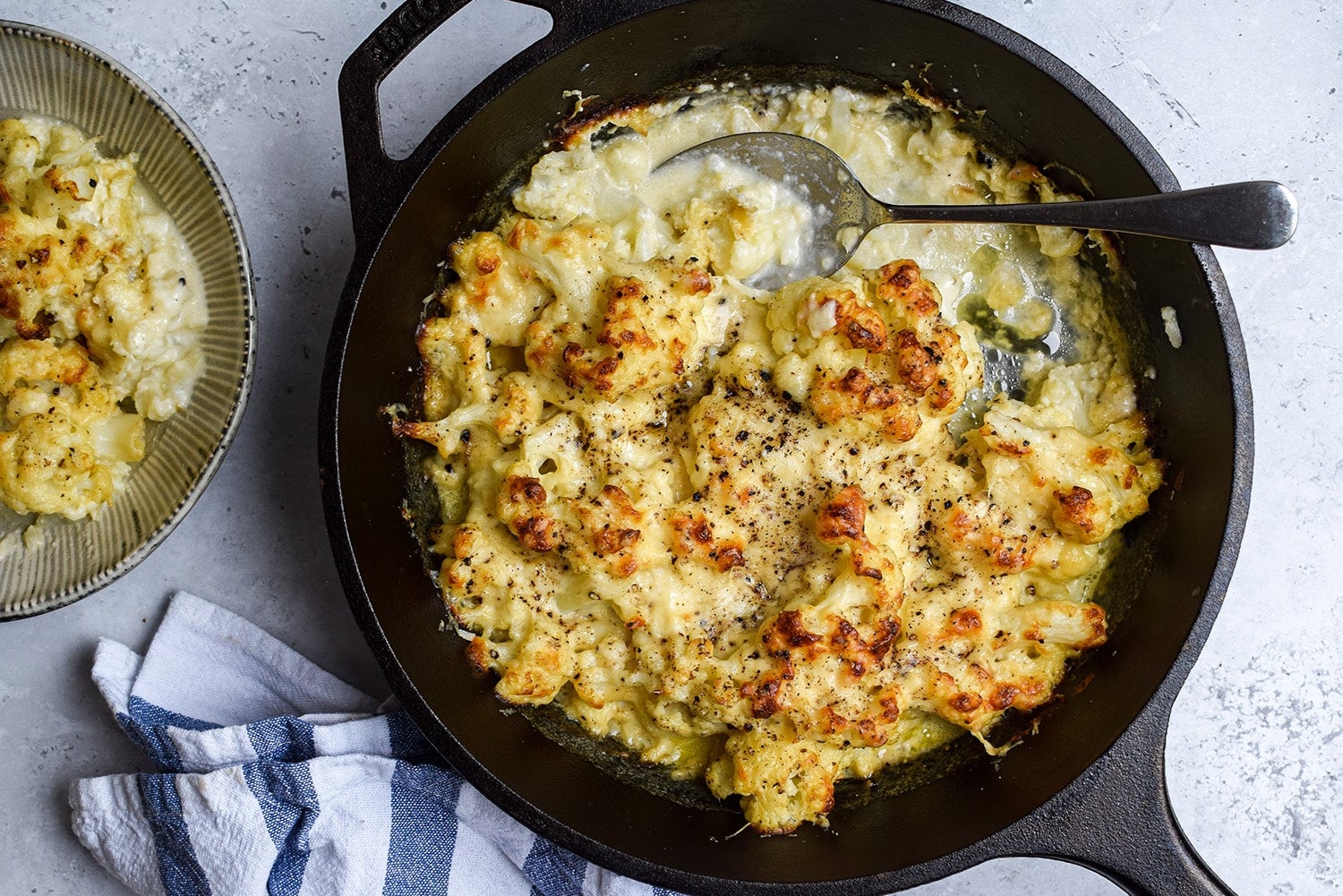
Recipe by: Rachel Phipps for Borough Market
This simple cauliflower cheese recipe celebrates the beautiful flavour of two Swiss cheeses. Fessli, a hard goat’s cheese from Jumi Cheese, is paired with Gruyère. The latter provides that classic cheesiness without overpowering the earthy notes from the Fessli. As it’s subtler than the classic cheddar-and-English-mustard version, it works best as a side, part of a larger spread, such as with a Sunday roast or your Christmas dinner.
Severs: 4-6
Ingredients:
400ml whole milk
1 dried bay leaf
4 black peppercorns
1 head of cauliflower, broken into florets
30g butter
2 tbsp plain flour
2 tsp Dijon mustard
80g Gruyère, grated
40g Fessli, grated
Black pepper, to taste
Method:
1. Bring the milk to the boil in a small saucepan with the bay leaf and peppercorns, then set aside off the heat to infuse while you get on with the rest of the recipe.
2. Heat the oven to 190C. Bring a pan of well-salted water to the boil and cook the cauliflower florets for 8-10 mins (depending on their size), until just barely fork-tender. Drain them well, then allow them to steam dry to remove as much of their moisture as possible.
3. To make the white sauce, melt the butter in a small saucepan over a medium heat. Once frothing, whisk in the flour and cook, stirring almost constantly for 2-3 mins.
4. Gradually pour in the milk, still whisking constantly, until you have a smooth sauce. Simmer for 4-5 mins until the sauce has thickened to a béchamel thickness and coats the back of a spoon well – don’t worry if it’s a little thick, as moisture will come out of the cauliflower during baking.
5. Season to taste with salt, if needed.
6. Remove from the heat and whisk in the Dijon mustard, followed by half each of the Gruyère and the Fessli.
7. Stir the cauliflower into the white sauce so that it’s well coated, then transfer the whole lot to a medium baking dish. Top with the remaining cheese, and a good few grinds of black pepper.
8. Bake for 30 mins, until the sauce is bubbling and the cheese is golden on top. Leave to stand for 5 mins before serving.
Goat’s cheese, redcurrants and pistachio crumb
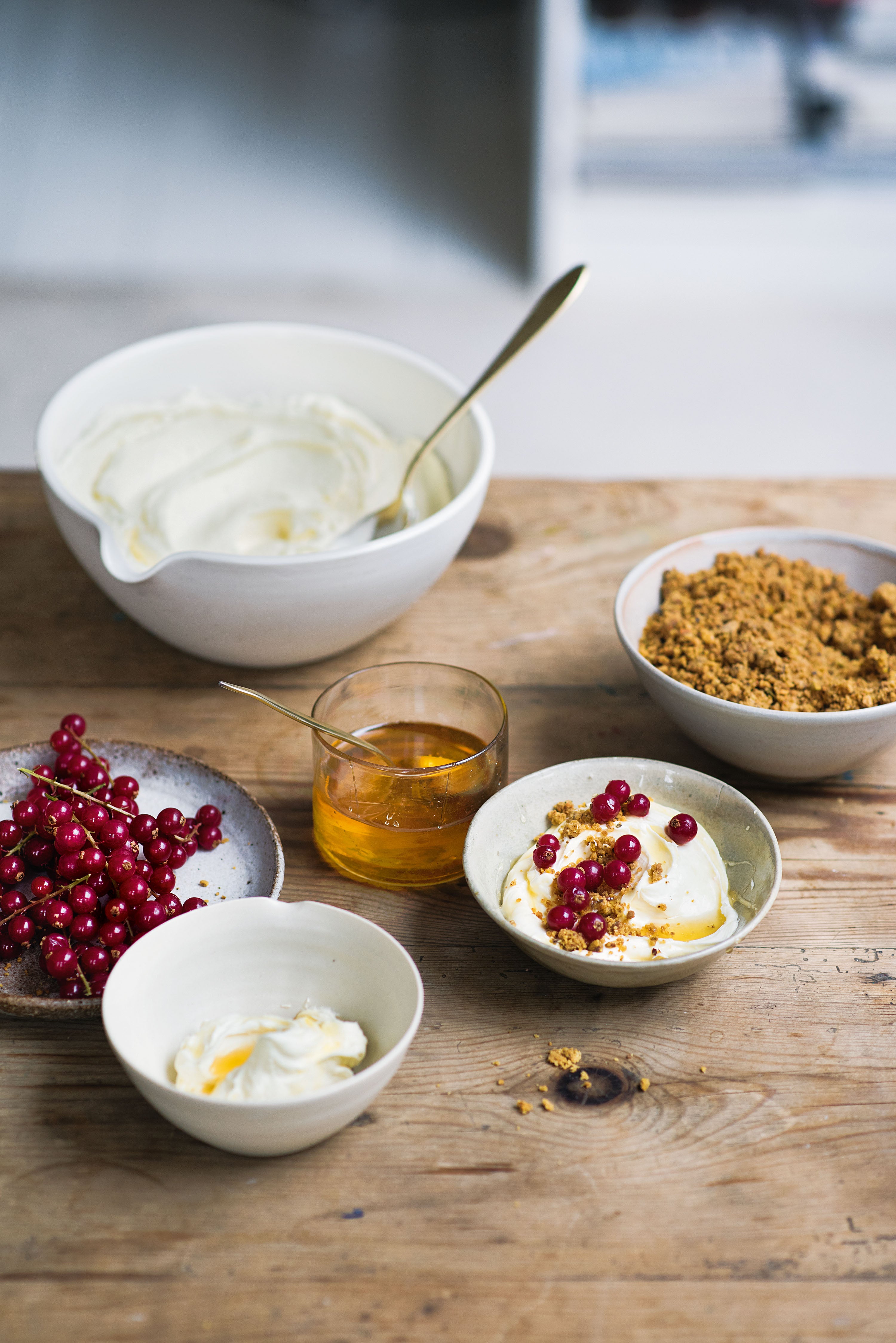
Recipe by: Ed Smith for Borough Market
Goat’s milk and goat’s cheese are well represented at Borough Market, with fresh and hard cheeses from all over Europe and Britain, goat’s milk via Ellie’s Dairy from Kent, and many flavours of ice cream courtesy of Greedy Goat.
This dessert is akin to a build-your-own cheesecake, where sharp and tangy fresh goat’s cheese is sweetened and rounded by floral honey, and joined by tart redcurrants and a calming, green pistachio crumb.
Serves: 6
Ingredients:
100g shelled unsalted pistachios
40g plain flour
25g caster sugar
50g salted butter, melted
30g icing sugar
200g soft, fresh goat’s cheese (chèvre)
230ml double cream
60g runny honey (something floral)
Seeds from 1 vanilla pod
1 punnet of fresh redcurrants
Method:
1. Start by making the pistachio crumb. Preheat the oven to 120C fan/140C/275F/gas mark 1. Put 80g of the pistachios, all the flour and caster sugar into a food processor and pulse until the mixture resembles breadcrumbs. Combine with the melted butter, then use a fork to spread the crumbs out in the baking tray – they should be about 50 per cent loose, 50 per cent packed into tight clusters. Bake for 45 minutes to 1 hour until dry and firm. Remove from the oven and leave to cool, then mix the crumb with the remaining whole pistachios and store in an airtight container until required (these will keep well for a few days at least).
2. Put the icing sugar and goat’s cheese in a bowl and use a spatula to beat until smooth. Add half the cream and whip this into the mix, then the second half, together with 30g of the honey and the vanilla seeds. Beat until well combined and thick. Refrigerate for at least 30 minutes.
3. Encourage everyone to build their own cheesecake, beginning with a heavy spoon or two of the cream cheese mix, then drizzling with honey and scattering with redcurrants and a few spoons each of pistachio crumb.