Quick Summary
The UK's culture secretary believes that by adding streaming services, like Netflix and Prime Video, to the mandatory TV licence, it could reduce the bill for each household.

Streaming services are currently exempt in the country, if you only watch the catch-up and on demand content.
The UK government is considering plans to reduce the cost of a UK TV licence, yet still fund the BBC and public service broadcasters, enabling them to continue making quality programming.
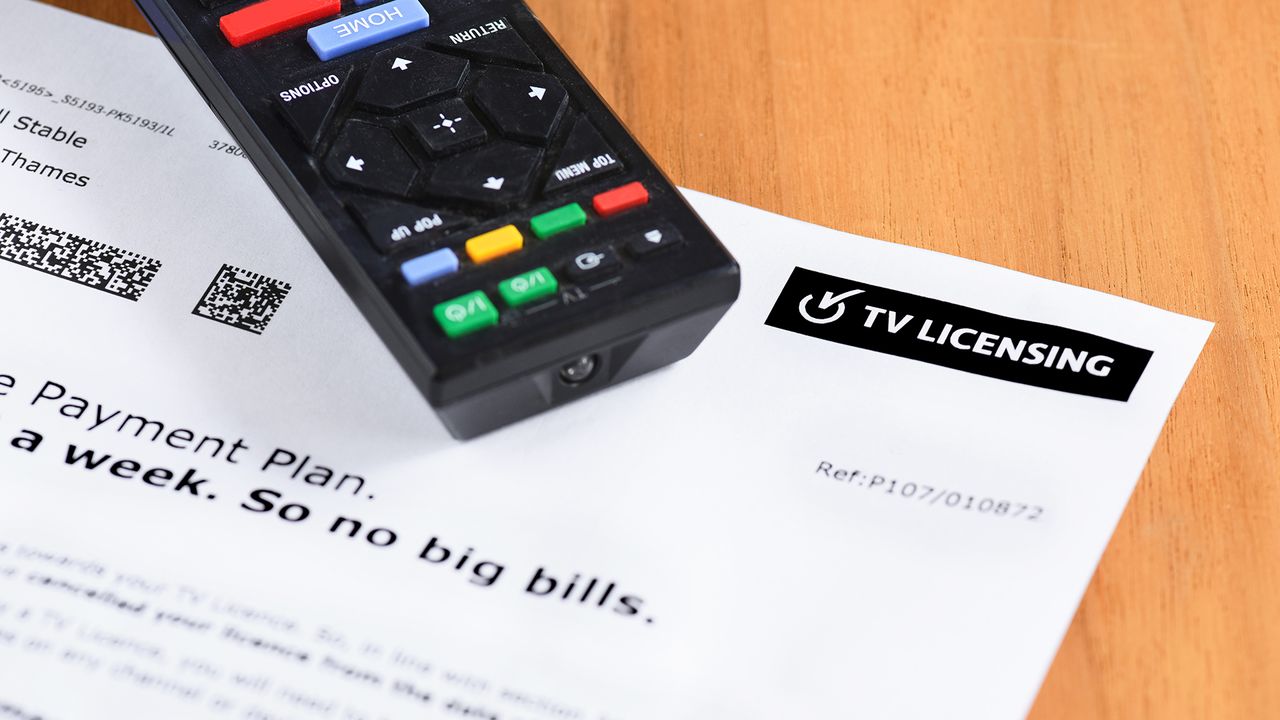
The TV licence currently costs all viewers in the UK £180 a year, and it is mandatory if you watch any of the TV platform types, bar one. Currently, streaming services like Netflix, Prime Video and Disney+ are largely exempt.
That's unless you watch live programming through them, such as sports coverage, then you have to have a licence. It's confusing and tricky to enforce, hence approximately 20% of British households still don't pay even though most should.
The new measures proposed are designed to recoup more money, yet also potentially reduce the bill for millions around the country.
As revealed by Deadline, the UK's culture secretary, Lisa Nandy, has revealed that the major US streaming services could be included in the TV licence requirements in future. Households will therefore need a licence to watch non-live content too, even on mobile devices, and by closing the loophole, it allows enforcement agencies to collect more fees.
Nandy also suggested that with more money being recouped, it could "cut the cost of the license fee for everybody".
An additional idea is that those who only watch streaming services could pay a reduced licence fee anyway, but they would still have to pay more than they do now.
Some aren't happy about the plans
This has apparently invited the ire of the Motion Picture Association, but the culture secretary hinted that if Netflix customers aren't asked to pay the licence fee, Netflix itself might have to foot the bill: "[They] would be reluctant to see additional charges on their consumers, but I think they would be more reluctant to see additional charges on their businesses."
That would lead to higher subscription fees anyway, and the government doesn't want to deter investment by the streaming giants in the UK.
Hopefully, the upshot of this will be that the British viewing public will continue to access the country's free TV services and pay a bit less for the privilege.
The proposals are in the consultation phase at present, so it might take a while to find out for sure.