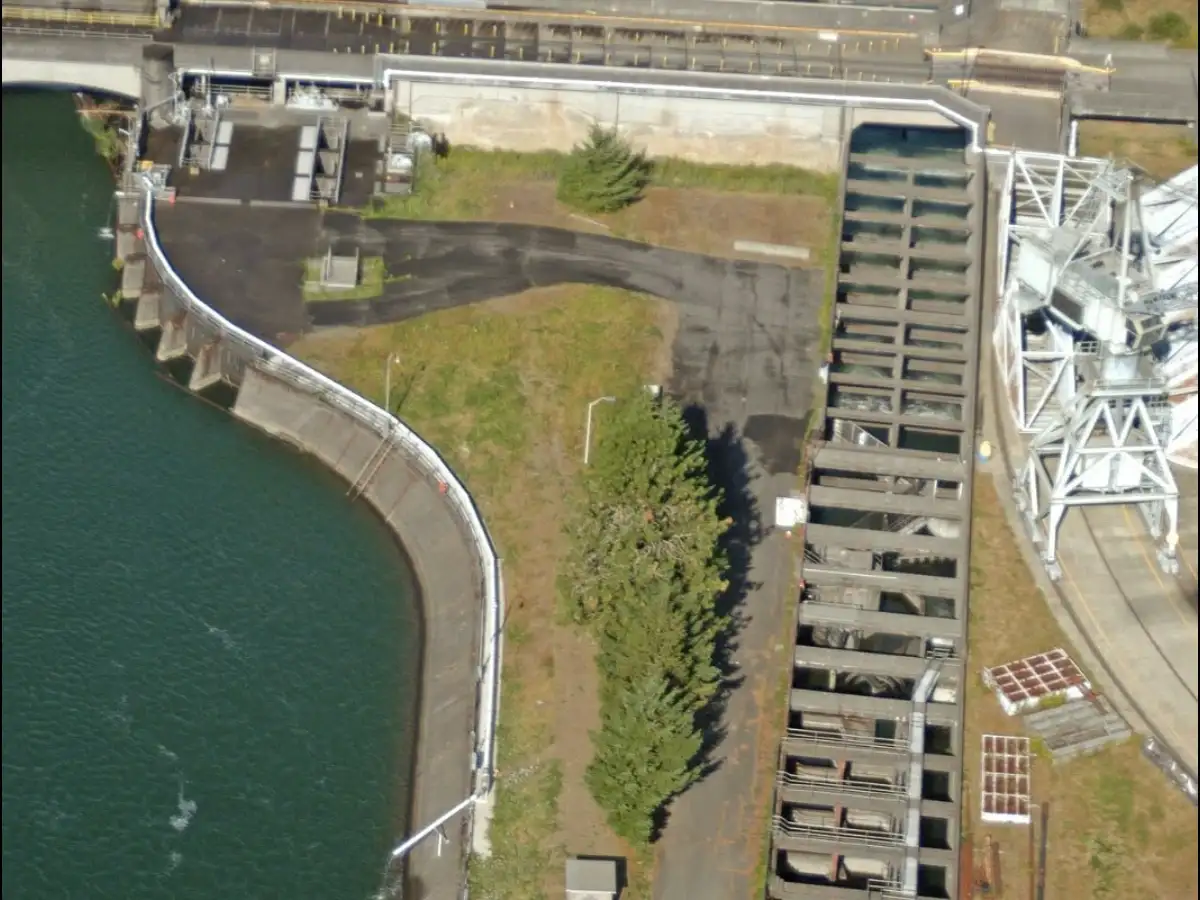
Think about the expansion of a construction budget of nearly 1,000 percent, not for some stadium or high-rise building but for the creation of a set of fish ladders. This is the scenario that occurred with Bonneville Dam, on the Columbia River near the Oregon and Washington state border. The U.S. Army Corps of Engineers had a $640,000 budget for "fishways" to allow migrating salmon to swim through the new dam. The actual expenses exceeded $7 million, an astonishing figure during the Great Depression era, as a result of public pressure forcing one engineer to redo their design. According to the historical records by the Northwest Power and Conservation Council, the fishways became much more complex and expensive than initially expected.
However, by 1937, while the rest of the project was still being finished, the fishway was already working. That year, the annual report of the U.S. Commissioner of Fisheries noted that salmon were climbing the Bonneville fish ladder with far less effort than expected. Nearly 90 years have passed since then, and that over-engineered structure is still working as it should. The U.S. Army Corps of Engineers has counted every adult salmon and steelhead passing the Bonneville ladders since 1938, and in a strong year the total can exceed 1 million fish, with some counts topping 1.5 million, a sharp contrast to the zero fish passage a dam with no ladders would have allowed.