
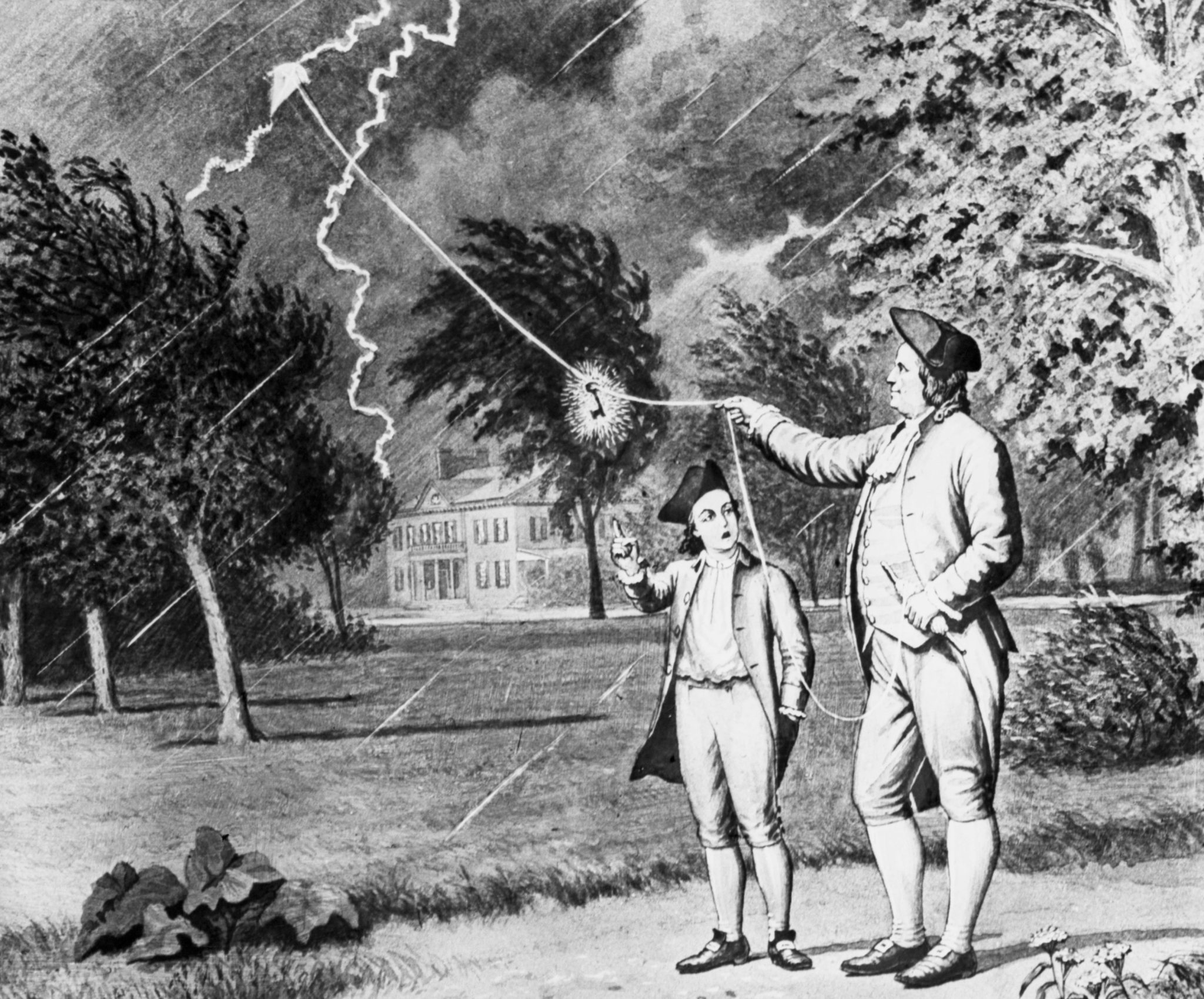
The “Golden Age of Science” had no scientists. For nearly three centuries, discoverers like Darwin and Copernicus, still wrestling to break free from Greek thought, called themselves “natural philosophers.” They made discoveries based on their own curiosity. The purest of them answered to no one: Robert Boyle had an earl’s fortune, Henry Cavendish a banking one, and Charles Darwin a family inheritance that bought him 20 years to dwell on barnacles.
This era of the “gentleman scientist,” of course, was limited to those with wealth, but that was considered a kind of purity—that nothing but curiosity fueled their discoveries.