
One of the biggest barriers keeping car shoppers away from electric cars is steadily shrinking. The average price of a new EV is now getting closer to the average cost of a combustion car, something that could potentially boost EV sales in the U.S. if the trend holds up in the coming months and years.
According to Kelley Blue Book, the average new electric car cost only 9.4% more than the average new car in August. That’s a sharp drop from the 16% gap observed at the same time last year.

While the average transaction price of a new vehicle in the U.S. increased nearly 2% in August to $50,089, electric cars went in the opposite direction, Kelley Blue Book said. The average transaction price (ATP) for a new fully electric car was $54,813 last month, down 2.7% year-over-year. Unsurprisingly, Tesla remained the dominant EV maker in the U.S. and continued to have an outsize influence on EV prices. But it wasn't the only manufacturer pulling prices down.
Stephanie Valdez-Streaty, the director of industry insights at Kelley Blue Book parent Cox Automotive, told InsideEVs via email that the market is moving towards more affordable options from non-Tesla brands.
“Outside of Tesla, the ATP story is largely being driven by Toyota, Chevrolet, Hyundai, and Subaru,” Valdez-Streaty told me.
She added that the some of the country's most popular models, including the Tesla Model Y, Hyundai Ioniq 5, and Cadillac Lyriq, saw barely any price movement in August. The Model Y was down 0.2% year-over-year, the Ioniq 5 fell 0.4%, and the Lyriq dipped 0.1%. Newer and cheaper models like the Toyota bZ, C-HR, Chevy Bolt, and Subaru Trailseeker, on the other hand, have gained market share and are posting strong sales volumes, which is helping pull the average EV price down.
“A greater share of EV sales is coming from affordable models,” she said.
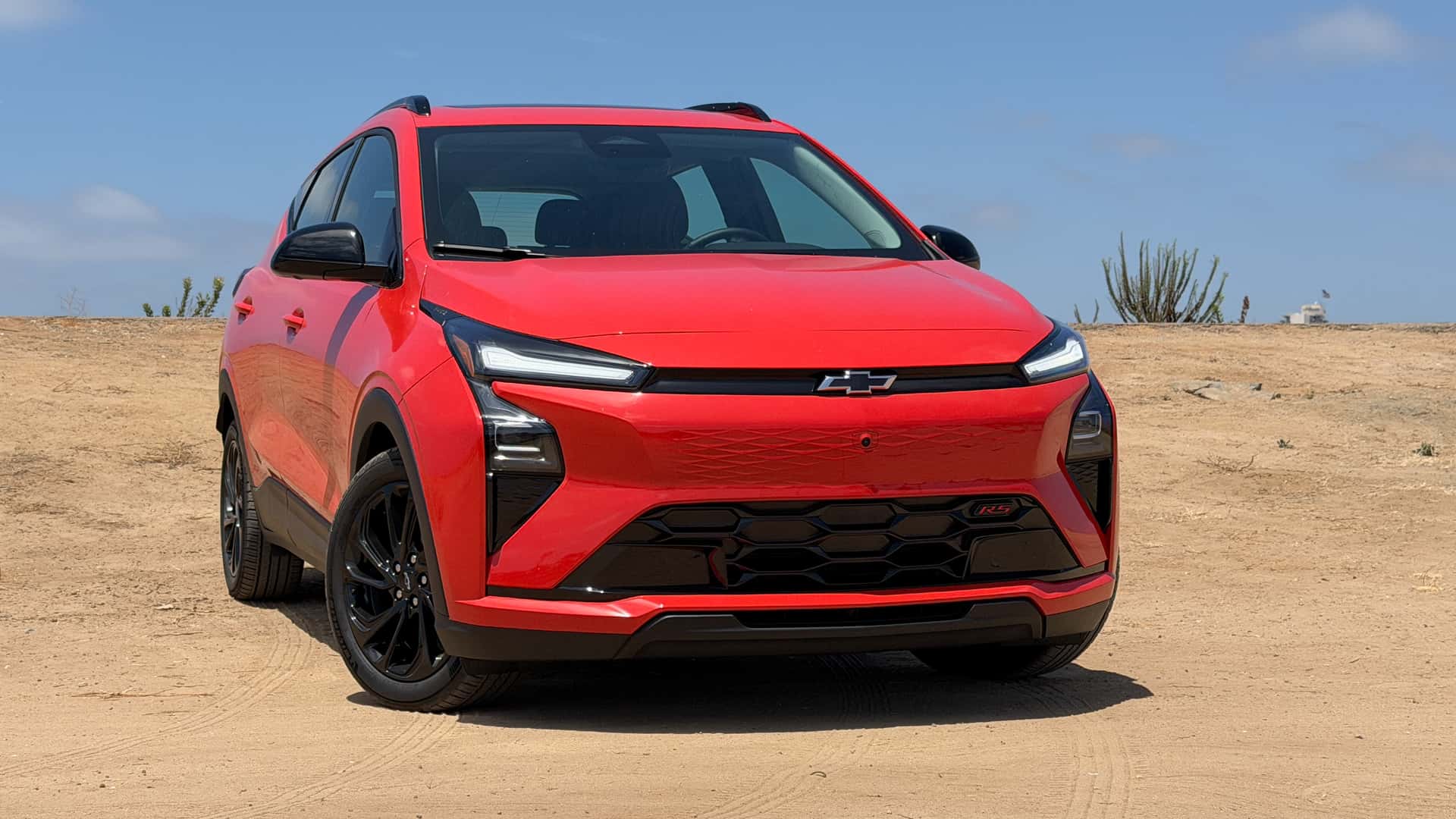
While the average EV transaction price was $54,813 in August, plenty of models cost well below that. The refreshed Chevy Bolt starts at $28,995 with destination. The Toyota bZ starts at $36,575. Hyundai cut Ioniq 5 prices by nearly $10,000 last year, dropping its starting price to $36,900, where it has stayed since. That entry price gets you the small-battery trim with 245 miles of EPA range.
However, there’s a major wrinkle in the KBB data. What the firm calls average transaction price doesn’t factor in incentives. Incentives accounted for 12% of the average transaction price of an EV last month, the firm said, which is nearly double the overall industry average of 6.5%. In other words, there's a lot more cash on the hood on a new EV compared to a new combustion car.
Still, EV incentives accounted for 14.6% of ATP during the same period last year, meaning there are now lower incentives on EVs than before. Valdez-Streaty added that the average EV incentives dropped 20%, from $8,200 a year ago to $6,600 in August. EV incentive support relative to combustion vehicles also dropped. Lower incentives signal a healthier balance between demand and supply.
“The trend is clear: EVs are getting closer to price parity,” Valdez-Streaty said. “The parity story isn't just about EV prices coming down, it's also about EVs becoming less dependent on incentives."
The EV industry is now heading into a major sales season without the federal tax credit for the first time in years. Last year, a rush to claim the credit before it expired drove record EV sales in the third quarter. Many automakers made up for the lost incentive with their own aggressive discounts in the fourth quarter to soften the slowdown.
This time around, Valdez-Streaty said the defining story of the holiday season will be "normalization." That means EV sales will depend on choice, pricing, and inventory availability rather than a looming deadline or incentives, she added.
“We're seeing a market that is increasingly being driven by underlying supply-and-demand fundamentals rather than policy-driven urgency,” she said.