Like most internet-addled twentysomethings, I’m not all that picky when it comes to an evening’s entertainment. Plant me in front of the TV, and I’m primed for anything. Arthouse dramas. Netflix slop. Early Simpsons episodes. Highlight videos from decade-old Champions League matches. GoPro footage of road rage altercations. Sometimes all of the above in a single night. TV viewing has congealed into one great greasy slab of content: all I have to do is lean back and consume. But the line has to be drawn somewhere. Every so often, I encounter a piece of TV so mind-numbingly dire even I can’t stomach it. I’m speaking, of course, about the nation’s hottest new political drama, otherwise known as the Conservative leadership debates.
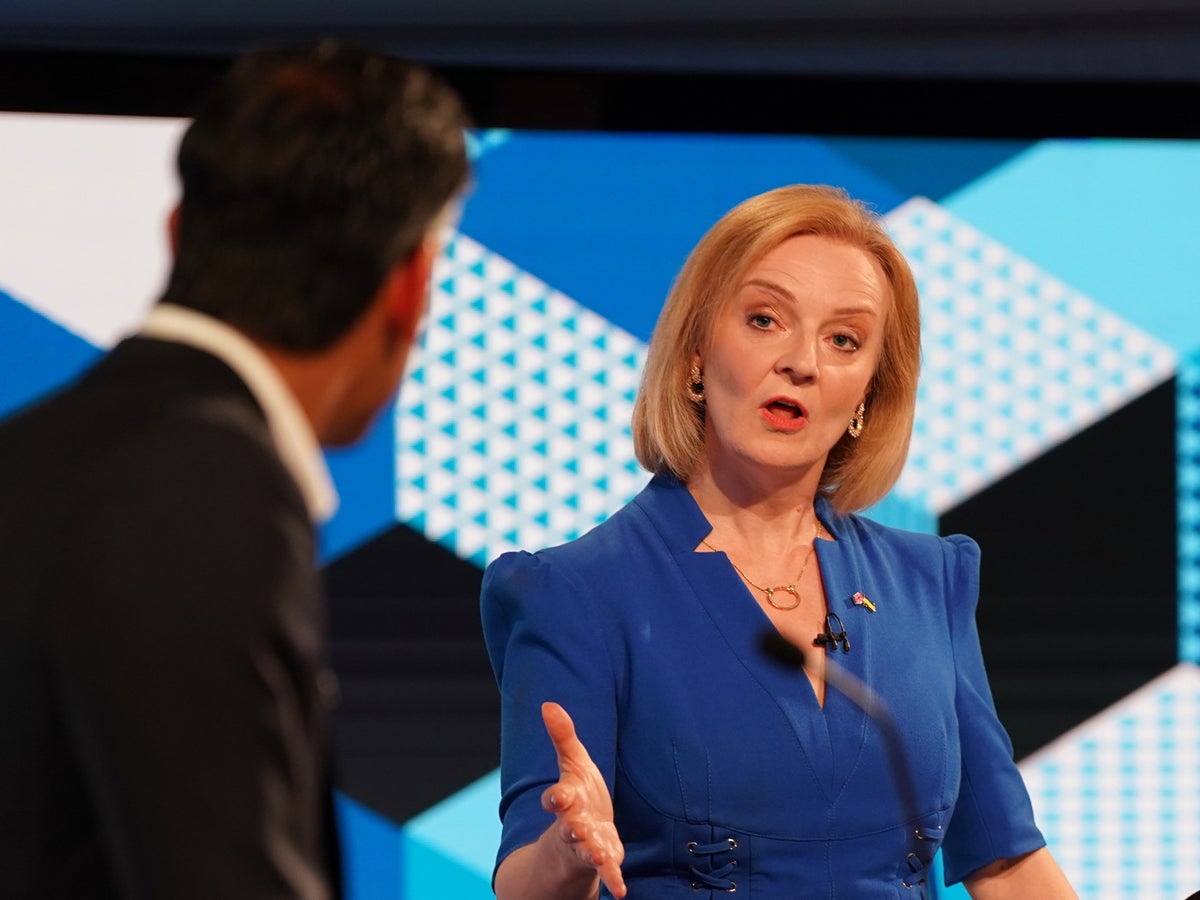
As we know, Boris Johnson’s ignominious tenure as prime minister finally imploded last month; within 24 hours, no fewer than 11 Tory hopefuls were vying to replace him. After some jostling, this number was soon culled to just two: Rishi Sunak and Liz Truss – a truly tantalising choice of rock and hard place. The new Tory leader, and therefore next PM, is voted in by the party’s membership. To help inform the tiny cadre of members who are deciding this country’s fate, the Conservatives have staged a series of leadership debates throughout the contest. Five, to be exact (not counting the 19 July Sky debate that was cancelled after Sunak and Truss fleetingly decided they were done with the whole mud-slinging rigmarole). But what exactly has been gleaned from these podium battles? A whole lot of nothing. We learned that Sunak has a penchant for interrupting his opposite numbers. We learned that Tom Tugendhat really, really wants you to know he was in the territorial army. The most noteworthy moment in this week’s debate on Talk TV happened off-screen, when presenter Kate McCann fainted partway through. It was an act of involuntary mercy from McCann, sparing viewers another half-hour of empty rhetoric, petty bickering and frankly embarrassing platitudes when the debate was called off.