
Get all your news in one place.
100’s of premium titles.
One app.
Start reading
Woman & Home
Woman & Home
Lifestyle
Kayleigh Dray

The tender plants you need to bring indoors this autumn before the frosts cause harm

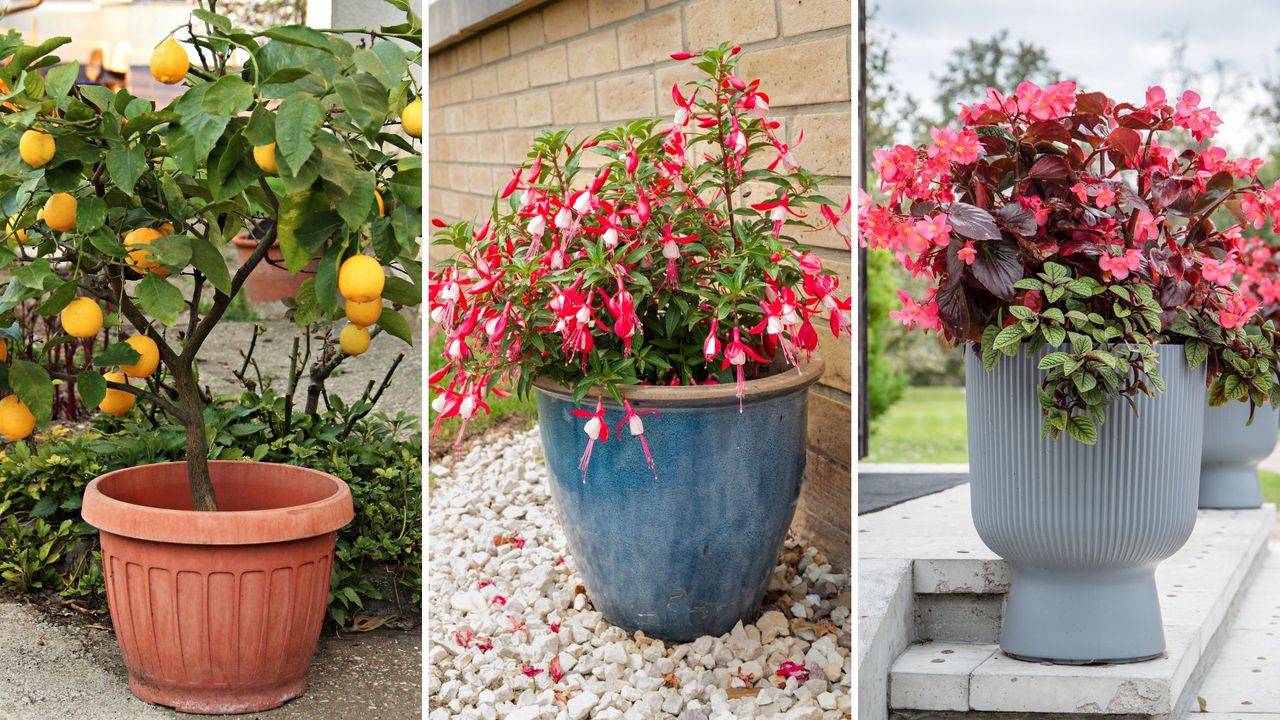
composite of leon tree, fuchsias and begonias .

Whether you want it to or not, the cold is officially here, which means we need to make a list of tender plants to bring indoors this autumn if we want to ensure they're happy and thriving at the same time next year.

You're likely already filling your garden borders with the best winter bedding plants, so be sure also to take the time to show some love to all of your tender and alluring plants, too.

While some can be protected with a covering of organic matter (known as mulch), others are better off being lifted and brought inside for some warmth and coddling, depending on the plant itself and the local climate.

Now is the perfect time to show some love and care to those tender plants that need your help before we find ourselves headfirst in the bleak midwinter.

The tender plants to bring indoors this autumn

"Frosts across the country usually begin by the end of October, depending on where you are based, so it’s a good time to start preparing to move tender plants to an undercover place to help them make it through the winter," explains Morris Hankinson, director of Hopes Grove Nurseries.

"A conservatory or greenhouse is ideal, and in very cold temperatures, some tender plants may also need some added protection such as a layer of horticultural fleece," he adds.

With that in mind, then, here are the tender plants to bring indoors this autumn...

1. Bananas

(Image credit: Getty Images)

Considering it's famed for its tropical fruits, it's little surprise that the banana tree needs to be protected in winter.

"More gardeners in the UK are growing bananas as part of a tropical garden style, and many are surprisingly able to tolerate the winter weather with a good few layers of horticultural fleece in situ," says Morris.

"However, if it is at all possible, it is best to move bananas to a greenhouse or conservatory, especially when young."

2. Fuchsia

(Image credit: Getty Images)

A slightly more surprising addition to the list of tender plants to bring indoors this autumn is fuchsias – an autumn hanging basket favourite.

"Standard fuchsia will prefer a warm, sunny place over winter, such as a conservatory, although a sheltered greenhouse may well be fine with added fleece if needed," advises Morris.

3. Citrus trees

(Image credit: Getty Images)

Citrus trees, such as oranges and lemons, are the best trees for pots and are among the tender plants to bring indoors this autumn.

"Citrus trees need lots of sunshine and a cool place to grow, which is why many people bring them outside during the warmer months," says Christopher O'Donoghue, one of the co-directors at Gardens Revived.

"Still, they won't reliably survive the winter outside, even in warmer regions, so you'll definitely want to bring yours indoors before the mercury drops."

To that end, then, be sure to bring your potted citrus trees indoors and pop them somewhere that's free from drafts and away from radiators (a greenhouse or conservatory is ideal).

4. Geraniums

(Image credit: Getty Images)

They may be one of the best perennials to plant now, but tender geraniums need some love if you want them to survive the coldest season.

"Tender geraniums (Pelargoniums) can keep on growing all year round, but won’t make it outside all winter," agrees Morris.

"Move them inside to grow on a sunny windowsill and enjoy them as houseplants over the winter until they can be moved back outside the following year after frosts have passed."

5. Cannas, dahlias and begonias

(Image credit: Alex Manders / iStock / Getty Images Plus / Getty Images)

Unlike the others on our list of tender plants to bring indoors this autumn, you'll find that a little more work has to be done when it comes to warming up your cannas, dahlias, and begonias.

The experts at the Royal Horticultural Society (RHS) insist you must wait until after the foliage has been blackened by frost before cutting back the old stems and composting them. Then, you'll want to use a fork to prise the plants out of the ground, taking care to remove soil from the rhizomes/tubers (basically the bulb) and storing them in a cold, frost-free spot.

While dahlias and begonia tubers should be carefully dried and buried in wooden boxes filled with soil or sand, though, canna rhizomes need to be kept moist in vermiculite.

FAQs

When should I bring in tender plants?

There's no perfect time to bring in tender plants, as it will depend on the plant itself as well as local weather conditions.

For the majority, this will be before the first frosts. For cannas and dahlias, though, you need the foliage to be blackened by frost before you set to work.

What plants can be brought inside for the winter?

Cannas, dahlias, begonias, fuchsia, bananas, geraniums, and citrus trees are all plants that can be brought inside for the winter, as can olives. If they're too big to move, though, you can instead try wrapping them in materials such as fleece, hessian, bracken, straw and polystyrene.

(Image credit: Getty Images)

What should I spray on my plants before bringing them inside?

In the same way you need to flood your plants before bringing them indoors sometimes, you might need to spray them with an anti-pest spray.

"Before you bring your plants indoors to overwinter, it’s important that you ensure they are pest-free. You can do this in a couple of ways, starting a few days before moving the plants by giving your plants a thorough wash in water, ideally creating a strong spray of water to remove any larger pests, together with loose leaves, debris, dirt, etc," starts Lucie Bradley, gardening expert at Easy Garden Irrigation.

"Whilst the plant foliage is still damp, you should spray the plant with a pest treatment to clear away any of the smaller common pests which might still remain, such as aphids, mealybugs or spider mites," she adds.

You can make this by mixing a tablespoon of liquid soap into a litre of water, which is effective on soft-bodied insects as the soap breaks down their outer protective layer, so they dehydrate or suffocate.

"Or you could use another organic treatment, such as neem oil to make a spray mixed with water and a few drops of liquid soap, which will help to clear away small insects as well as help to control some fungal diseases," explains Lucie. "It’s important with any treatment that you cover all the foliage, including the underside of leaves, and then let the plants dry for a couple of days before moving them indoors."

Can I overwinter plants in the garage?

You can, in fact, overwinter your plants in the garage, but you will need to consider the temperature before doing so.

"For your garage to be suitable for overwintering your plants, it needs to be frost-free, so above zero degrees Celsius. However, the ideal temperature for plants should be between 5 to 12 degrees Celsius. The simplest way to check this is to keep a max-min thermometer in your garage, as this will show you if the temperature falls below freezing overnight," says Lucie.

"If you have concerns that the temperature will be warm enough for your more tender plants, then you can also cover them with a layer of horticultural fleece. It’s also important to keep plants away from drafts so that they are kept at a constant temperature, so away from the garage doors," she continues.

Now you know the tender plants to bring indoors this autumn, it's time to sort your garden out while the sun is still shining and the air is still warm. Don't leave it until it's too late, or you'll have an expensive job replacing your frost-damaged plants come next year...

Sign up to read this article
Read news from 100’s of titles, curated specifically for you.
Already a member? Sign in here
Related Stories
Top stories on inkl right now
One subscription that gives you access to news from hundreds of sites
Already a member? Sign in here
Our Picks
Fourteen days free
Download the app
One app. One membership.
100+ trusted global sources.