
Get all your news in one place.
100’s of premium titles.
One app.
Start reading
The Free Financial Advisor
Brandon Marcus

The Tariff Truth No One Wants to Say Out Loud: You Pay the Price, Not the Companies

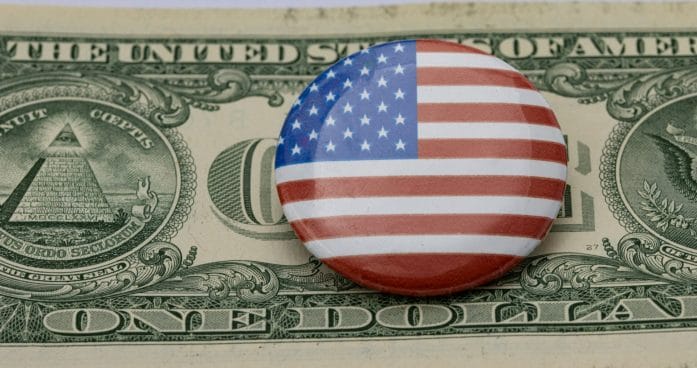
Image Source: Unsplash.com

A tariff does not punish a foreign company. A tariff raises your bill. That statement makes people uncomfortable because it clashes with the political sales pitch. Leaders across the spectrum frame tariffs as a way to make other countries or overseas corporations “pay their fair share.” The image feels satisfying. A tough policy, a firm handshake, a promise that someone else will foot the bill. Yet the mechanics of tariffs tell a different story, and the numbers back it up.

Tariffs act as taxes on imported goods. Governments collect them at the border when companies bring products into the country. Businesses then face a simple choice: absorb the cost and shrink profits, or pass the cost along through higher prices. In competitive markets with tight margins, companies almost always pass along at least part of that cost. That means shoppers feel the impact at the checkout line, not some distant executive in another country.

The Border Tax That Doesn’t Stay at the Border

A tariff works like this: a government sets a percentage tax on a specific imported product, such as steel, electronics, clothing, or machinery. When an importer brings that product into the country, the government charges the tariff based on the product’s value. The importer writes the check. That part fuels the popular narrative that “foreigners pay.”

But the importer rarely stops the cost there. Retailers buy from importers. Manufacturers buy imported components. Those businesses calculate their new costs and adjust prices accordingly. When costs rise, companies that want to stay profitable raise prices or cut expenses elsewhere, often through smaller product sizes or reduced services.

Research from respected institutions has shown that tariffs imposed in recent years led to higher prices for many imported goods and even for some domestic goods that rely on imported inputs. The cost did not remain trapped at the port. It traveled through supply chains and settled into everyday products.

Tariffs on steel and aluminum, for example, increased costs for domestic manufacturers that use those materials to produce cars, appliances, and construction materials. Those manufacturers did not enjoy a magical shield from higher input costs. They faced them head-on and passed them forward. That dynamic explains why tariffs often ripple through the broader economy instead of staying neatly confined to one industry.

Why Companies Rarely “Eat the Cost”

Some argue that giant corporations can afford to absorb tariffs without raising prices. That idea sounds appealing, especially in an era of public frustration with corporate profits. However, markets reward efficiency and punish shrinking margins. Publicly traded companies answer to shareholders. Privately held firms answer to lenders and owners who expect returns.

When a tariff raises the cost of a product by 10 or 25 percent, that jump rarely fits within existing profit margins. Retailers often operate on thin margins, sometimes just a few percentage points. A sudden cost increase can wipe out profit entirely. Businesses respond by adjusting prices, seeking alternative suppliers, or redesigning products. None of those options magically erase the cost.

Even when companies attempt to hold prices steady, they often shrink product sizes, reduce features, or delay investments. That strategy still affects buyers. A smaller cereal box at the same price reflects a hidden price increase. A delayed factory expansion can slow hiring and wage growth. Tariffs create pressure points that businesses cannot simply wish away.

The Political Appeal of a Simple Story

Tariffs carry strong political appeal because they offer a clear villain and a simple solution. Leaders can stand in front of factories and promise to protect domestic jobs. They can claim that foreign competitors engage in unfair practices and that tariffs level the playing field. That narrative resonates with communities that have lost manufacturing jobs or seen industries decline.

Trade policy, however, involves trade-offs. Economists across many administrations, both Republican and Democrat, have long argued that broad tariffs often raise consumer prices and invite retaliation. When one country imposes tariffs, others often respond with their own. That cycle can hurt exporters such as farmers and manufacturers who rely on foreign markets.

The Congressional Budget Office has analyzed trade policies and found that tariffs can reduce overall economic output when trading partners retaliate. Farmers experienced this firsthand when other countries imposed tariffs on agricultural products in response to U.S. tariffs. Governments then stepped in with aid packages to offset losses, which taxpayers ultimately funded.

None of this means that trade policy lacks complexity or that every tariff lacks purpose. Governments sometimes use targeted tariffs to address national security concerns or specific unfair trade practices. Yet broad claims that tariffs make foreign companies pay without domestic consequences simply do not match economic reality.

The Hidden Impact on Everyday Budgets

Tariffs do not announce themselves on receipts. They blend into higher prices for washing machines, electronics, clothing, and groceries. A 20 percent tariff on an imported component can nudge up the price of a finished product in ways that feel gradual but persistent.

Studies examining tariffs on washing machines in recent years found that prices rose not only for imported machines but also for domestically produced ones. Domestic manufacturers raised prices as well because the competitive pressure from cheaper imports weakened. That pattern illustrates a key point: tariffs can lift prices across the board, not just for foreign brands.

Anyone tracking monthly expenses should pay attention to trade headlines. Policy decisions in distant capitals can influence grocery bills and back-to-school shopping costs. That connection deserves far more attention than it usually receives in campaign speeches.

Image Source: Unsplash.com

How to Think Clearly About Tariffs

Trade policy deserves serious debate, not bumper-sticker slogans. Anyone trying to make sense of tariffs should start by asking a few grounded questions. Who pays the tariff at the border? How do companies typically respond to higher input costs? What evidence exists from previous rounds of tariffs?

Consumers can also take practical steps. Comparing prices across brands, watching for product size changes, and paying attention to country-of-origin labels can provide clues about how tariffs affect specific items. Supporting transparent discussions about trade policy at the local and national level can also push leaders to explain costs honestly rather than relying on applause lines.

The Price Tag No One Prints on the Sign

Tariffs promise strength. They deliver complexity. When leaders claim that foreign companies will absorb the cost, the claim ignores how markets function. Importers pay tariffs first, businesses adjust next, and households often settle the final bill. Research from respected institutions and real-world price data confirm that pattern again and again.

That does not mean every tariff fails or that trade should flow without rules. It means voters deserve clarity. Honest conversations about trade policy should include both potential benefits and the likely price increases that follow. Ignoring that reality leaves families unprepared for the financial impact.

The next time a speech celebrates a new round of tariffs as a win that makes someone else pay, consider the path that cost will travel from the port to the store shelf. When prices climb quietly and steadily, will the applause still feel worth it?

How are you and your family dealing with tariffs? Tell us your thoughts and strategy in the comments section.

You May Also Like…

What Would Happen to Your Plan in a Trade-Tariff Spiral

5 Reasons People Pause Financial Plans During Tariff-Driven Volatility

Why Your Emergency Fund Isn’t Protecting You the Way It Did Five Years Ago

Family Homes Done Right: Kid-Friendly Interior Design on a Budget

6 Blended-Family Will Mistakes That Can Tear Families Apart

The post The Tariff Truth No One Wants to Say Out Loud: You Pay the Price, Not the Companies appeared first on The Free Financial Advisor.

Sign up to read this article
Read news from 100’s of titles, curated specifically for you.
Already a member? Sign in here
Related Stories
Top stories on inkl right now
One subscription that gives you access to news from hundreds of sites
Already a member? Sign in here
Our Picks
Fourteen days free
Download the app
One app. One membership.
100+ trusted global sources.







