
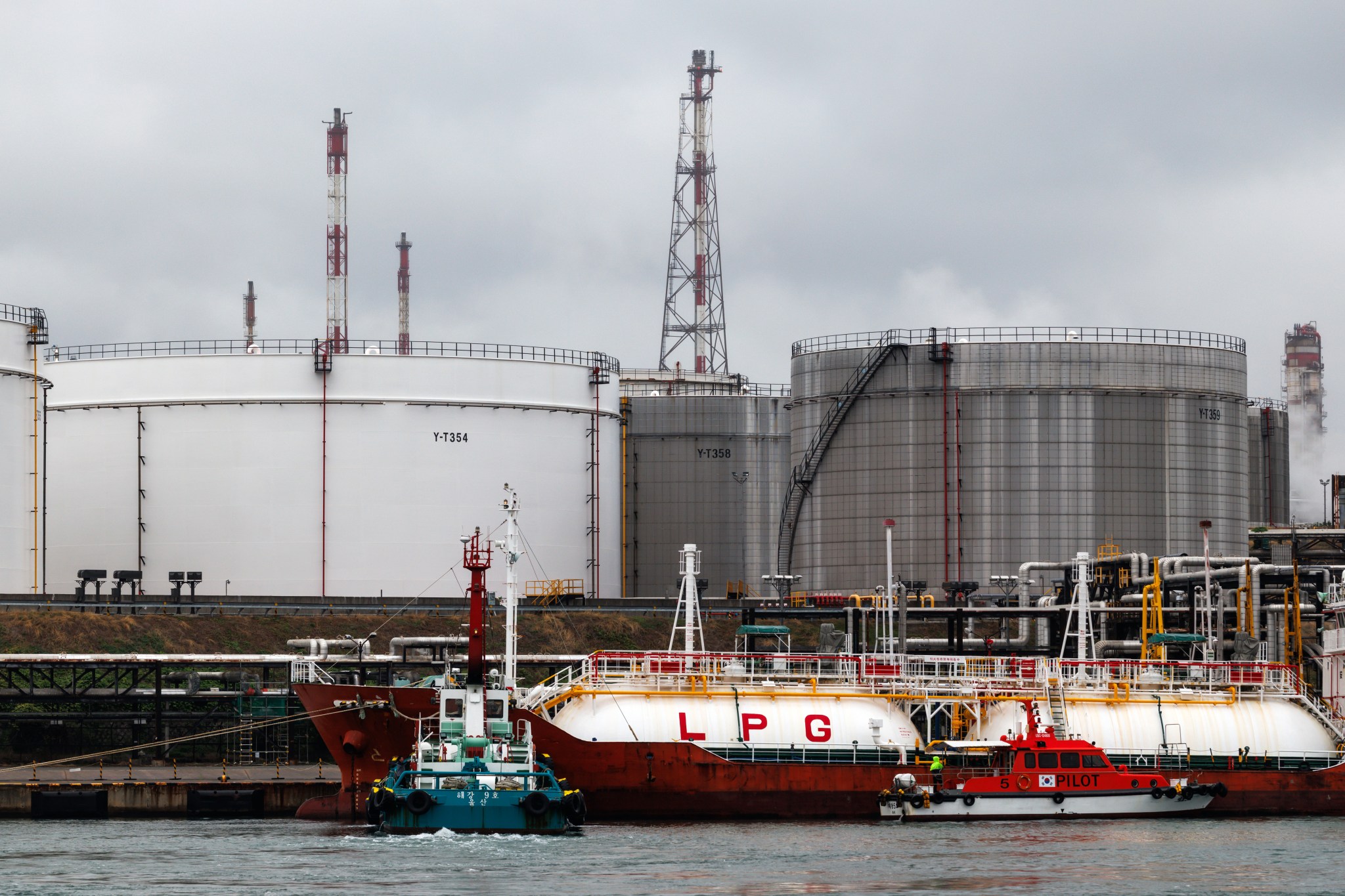
The Iran war exposed just how much the world relied on a narrow 20-mile-wide waterway. Soon after the U.S. launched strikes on Iran, the latter threatened to strike ships trying to traverse the Strait of Hormuz, the channel for much of the Middle East’s oil and gas exports. The threat of shortages pushed countries across Asia to impose export bans, cut import duties, and start rationing fuel to maintain supplies.
Six months since the onset of the war, doomsday scenarios—price spikes, long lines at gas stations, power outages, and grounded flights—haven’t quite come to fruition, as increased production and hefty stockpiles blunted some of the damage.








-copy-29e15046.jpeg?w=600)




