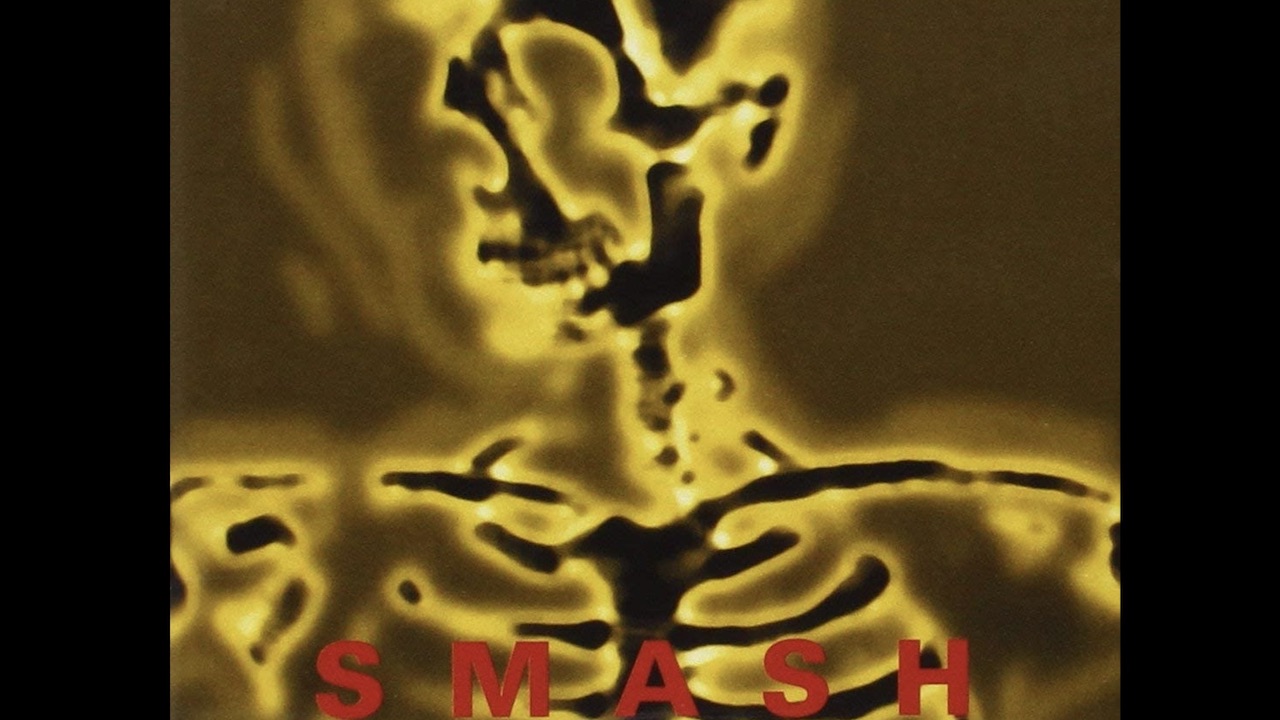
There are so many notable stories married to the making and release of Smash that their impact can sometimes overwhelm. For one thing, the third album from Orange County punk quartet The Offspring, which celebrates its 29th birthday today (April 8) became, for a time, the highest-selling independent LP of all time. Despite latterly surrendering this title to Adele, it remains the world’s most popular indie rock album.
Even before its 14 tracks blew apart the boundaries that divided specialist record companies from their major label counterparts, keen senses were able to detect vibrations from tectonic plates that were beginning to shift. Never mind that the album’s modest recording budget of somewhere between twenty and thirty thousand dollars – in the 21st Century, memories are vague on the precise figure – required its producer, Thom Wilson, to live in a camper van while the band tracked its songs, upon hearing the finished result Brett Gurewitz, the owner of Epitaph Records, said to his wife of the time, “Everything’s changed. We’re going to be rich.”
But we’re getting ahead of ourselves. Because prior to the success enjoyed by Smash, and by its kissing cousin Dookie by Green Day, the prospects for independent punk rock acts – which is to say groups who identified as punk rock, rather than the upwardly-mobile punk-adjacent class of Nirvana and Pearl Jam – were limited indeed. When The Offspring toured the US with Pennywise at the start of 1994, that group’s singer, Jim Lindberg, remarked to his bandmate, guitarist Fletcher Dragge that he believed that their special guests might just break out given the quality of their new LP that had just been played to him by the group’s singer Dexter Holland. Snorting in derision, Dragge replied with words to the effect of, “Let ‘em get back to us when they’ve sold a 100,000 albums”.